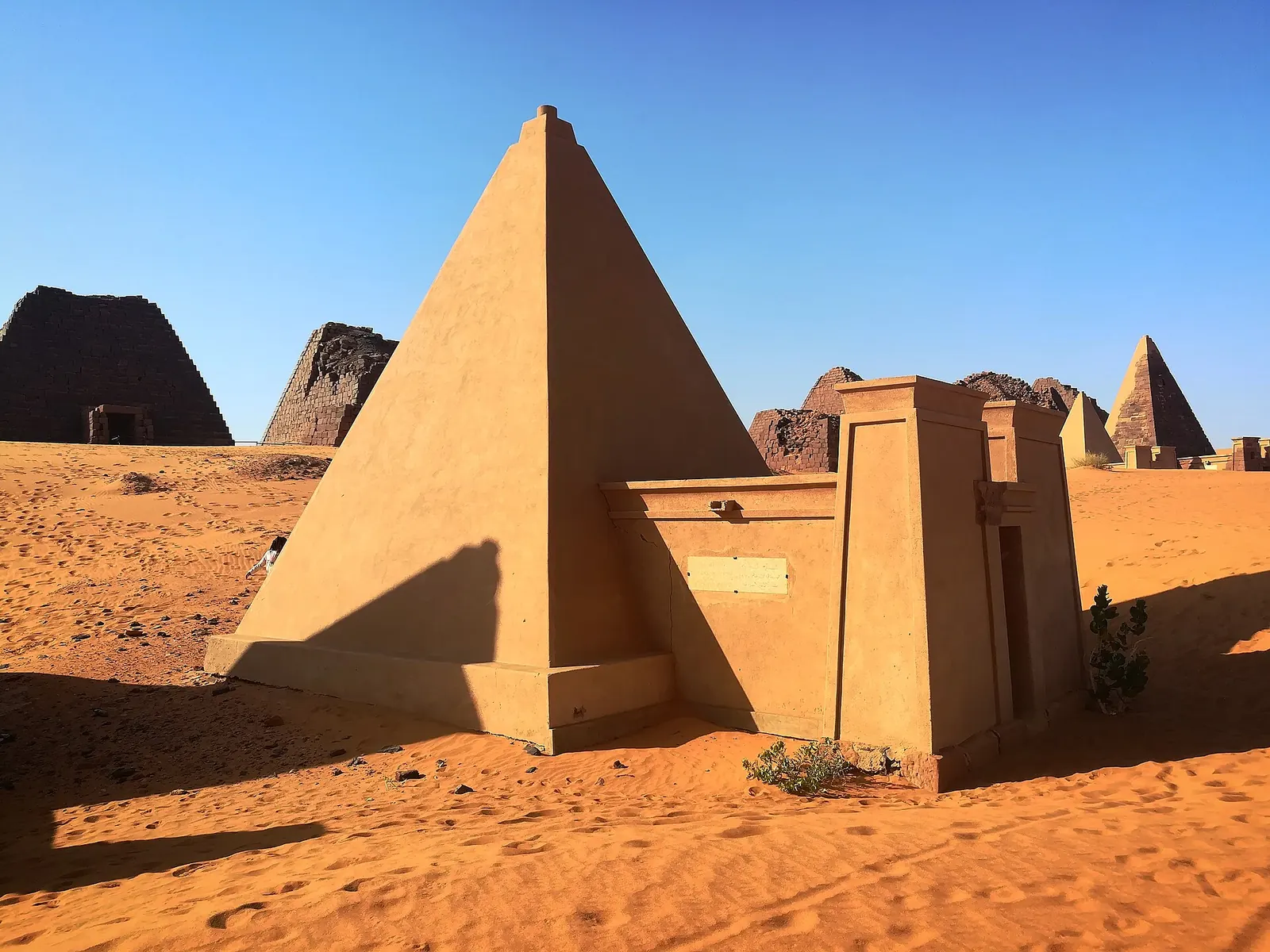
HAM’S LEGACY

Kush Museum • Atrium

HAM’S LEGACY · DIGITAL MUSEUM

The Kingdom
of KushKerma · Napata · Meroë — the land of Cush

Three thousand years of African kingship on the Nile: the rulers of Kerma, the Kushite pharaohs who ruled Egypt, the kandakes who faced Rome, and a script still waiting to be fully understood.

Atrium photograph — Photo: Ahmed Amir · CC BY-SA 4.0 · source

Floor plan

Choose a hall, or begin at Hall I and follow “Next room”. Inside each hall, walk the wall with the arrows or by swiping; open any object for the full label, zoom, 3D and audio guide.

Hall I · 18 objects

Hall of Kings & Queens

For more than two thousand years Kush was ruled from Kerma, then Napata, then Meroë. Its kings conquered Egypt and ruled it as the 25th Dynasty; its queens, the kandakes, led armies and ruled in their own right. Scripture knows them too: Tirhakah king of Cush (2 Kings 19:9) and “Candace queen of the Ethiopians” (Acts 8:27).

KU-I.01

The rulers of Kerma

c. 2500–1500 BC (Kerma culture; Classic Kerma c. 1750–1500 BC)Found: Kerma, Upper NubiaIn situ; finds in the Kerma Museum and elsewhere

The first great kingdom of Kush. Egyptian texts call its kings the “rulers of Kush”; their personal names are rarely preserved, but their giant burial mounds at Kerma, some about 90 metres across, show their power.

What it shows

Kamose’s Second Stela (c. 1550 BC) reports that Egypt intercepted a letter from the Hyksos king Apepi asking the ruler of Kush to attack Egypt; a tomb inscription of Sobeknakht at Elkab describes a Kushite invasion deep into Egypt.

Why it matters

At its height, Kerma was a rival of Egypt in the Nile Valley, a thousand years before the Kushite pharaohs.

Connects to the book

Sources & dating

Dates are approximate and follow the sources below. Evidence status: CONFIRMED
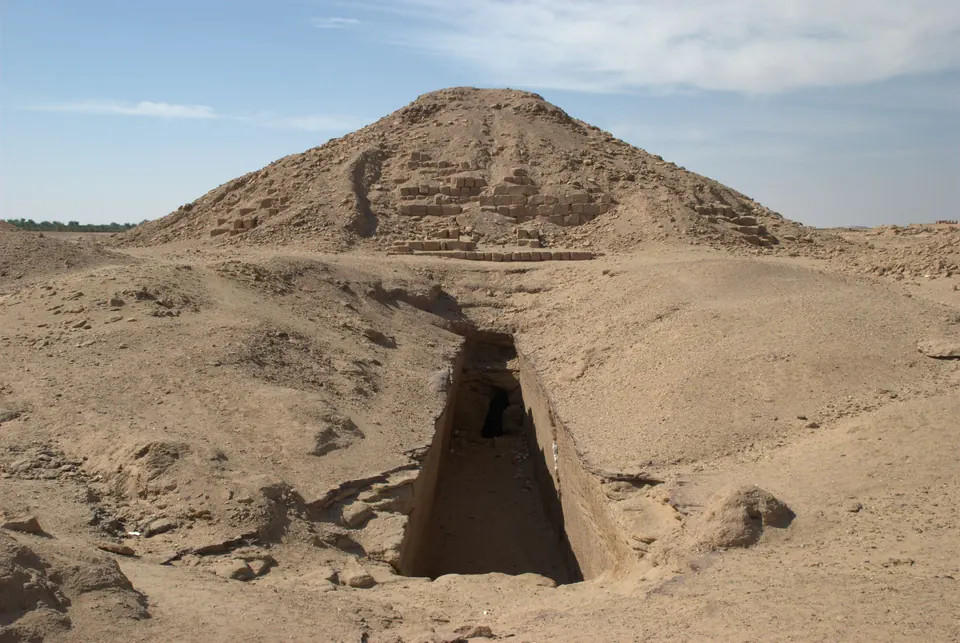
Photo: Bertramz · CC BY 3.0 · source

Photo: Bertramz · CC BY 3.0 · source

KU-I.02

Alara

c. 800–760 BC (approximate)Found: Napata

The first king of Kush whose name has come down to us, remembered by his successors as the founder of their royal line.

What it shows

He is named on the stela of his daughter Tabiry, wife of Piye. Later kings prayed for a reign as long as Alara’s.

Why it matters

His line made Napata the religious centre of Kush. The photo shows el-Kurru, the cemetery of his dynasty; this pyramid (Ku. 1) is later.

Connects to the book

Sources & dating

Dates are approximate and follow the sources below. Evidence status: CONFIRMED
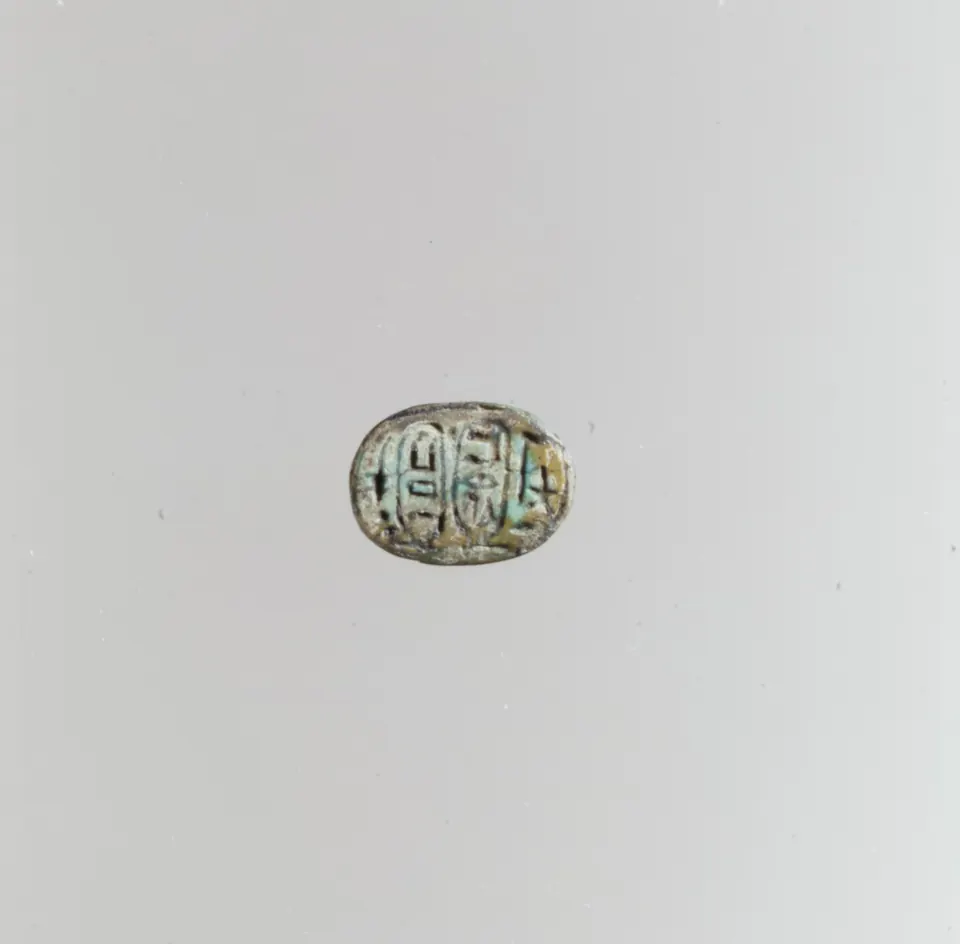
Photo: Bertramz · CC BY 3.0 · source

Photo: Bertramz · CC BY 3.0 · source

KU-I.03

Kashta — “the Kushite”

c. 760–747 BC (approximate); scarab c. 755–747 BCGlazed steatite scarab; bronze situlaFound: Napata; scarab possibly from Nubia, situla from EgyptThe Metropolitan Museum of Art (scarab); Walters Art Museum (situla)Inv. Met 26.7.255 (scarab); Walters 54.3077 (situla)

Successor of Alara and father of Piye and Shabaka. His name, k3š-t3, is often translated simply “the Kushite”.

What it shows

Under Kashta, Kushite influence reached Upper Egypt; his daughter Amenirdis I became God’s Wife of Amun at Thebes. The scarab and the situla shown both pair his cartouche with hers.

Why it matters

His family would rule both Kush and Egypt for nearly a century.

Connects to the book

Sources & dating

Dates are approximate and follow the sources below. Evidence status: CONFIRMED
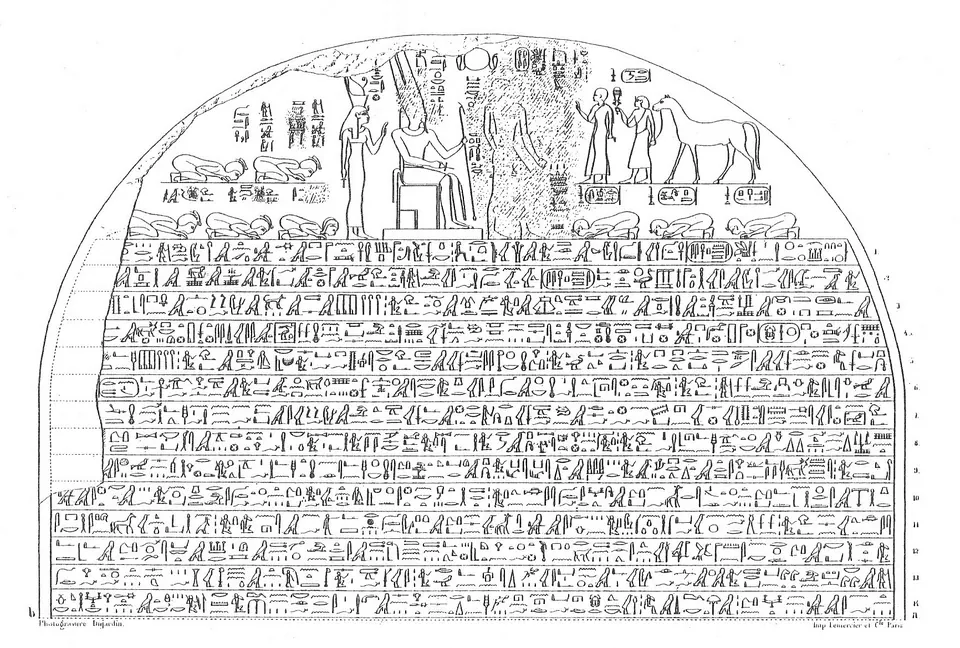
Photo: Unknown author · CC0 · source

Photo: Anonymous (Egypt) · Public domain · source

Photo: Unknown author · CC0 · source

KU-I.04

Piye (Piankhy)

Reigned c. 744–714 BCFound: Napata; campaign to Memphis

The Kushite king who marched north, defeated the coalition of Tefnakht of Sais and took Memphis — founder of the 25th Dynasty.

What it shows

His Victory Stela shows Egypt’s rulers bowing before him; the text portrays him as devout toward Amun, merciful to the defeated, and a lover of horses.

Why it matters

Piye rebuilt the great Temple of Amun at Jebel Barkal. He was buried in a pyramid at el-Kurru.

Connects to the book

Sources & dating

Dates are approximate and follow the sources below. Evidence status: CONFIRMED
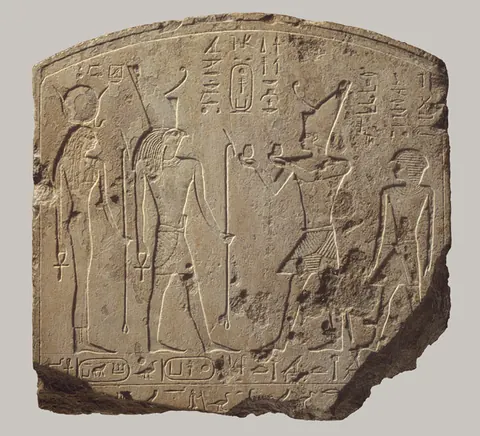
Photo: Auguste Mariette (1821-1881) · Public domain · source

Photo: Auguste Mariette (1821-1881) · Public domain · source

KU-I.05

Shebitku (Shabataka)

Reigned c. 714–705 BC; the Met dates the stela c. 708–705 BCFound: Napata and MemphisThe Metropolitan Museum of Art (stela); Nubian Museum, Aswan (head)Inv. Met 65.45 (stela)

A son of Piye and pharaoh of the 25th Dynasty, with the throne name Djedkare.

What it shows

Inscriptions on the quay at Karnak, re-examined since 2016–17, show that Shebitku reigned before Shabaka — reversing the order found in older books.

Why it matters

A good example of how evidence on stone keeps refining history. Assyrian records name him as Šapatakuʾ.

Connects to the book

Sources & dating

Dates are approximate and follow the sources below. Evidence status: NOTED

Photo: Metropolitan Museum of Art, New York · CC0 · source

Photo: Marsupium · CC BY 4.0 · source

Photo: Metropolitan Museum of Art, New York · CC0 · source

KU-I.06

Shabaka

Reigned c. 705–690 BCFound: Napata and Memphis

Kushite pharaoh, son of Kashta, who ruled all of Egypt from Memphis and was buried at el-Kurru.

What it shows

He preserved the “Memphite Theology” on the Shabaka Stone. The head shown is a tiny (3.9 cm) head of an unnamed 25th-Dynasty Kushite king, made of Egyptian blue (The Met, 2021.41.88).

Why it matters

Under Shabaka, Kush kept Egypt independent of Assyria.

Connects to the book

Sources & dating

Dates are approximate and follow the sources below. Evidence status: CONFIRMED
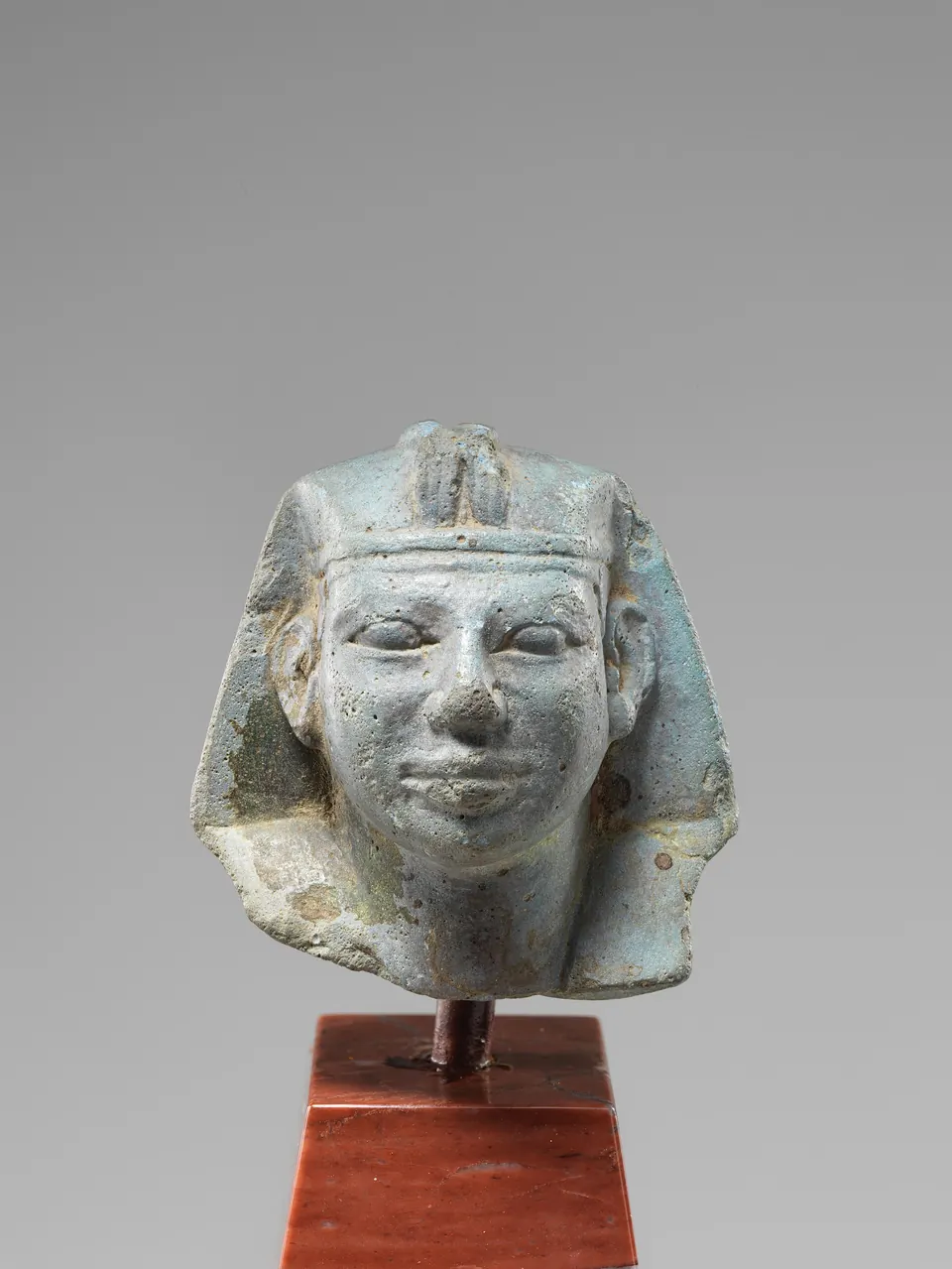
Photo: Unknown author · CC0 · source

Photo: Unknown author · CC0 · source

KU-I.07

Taharqa — Tirhakah of the Bible

Reigned 690–664 BCFound: Napata, Memphis, Thebes

The greatest builder of the Kushite pharaohs, named in Scripture as “Tirhakah king of Ethiopia” (Hebrew: Cush), who came out against Sennacherib (2 Kings 19:9; Isaiah 37:9).

What it shows

He built at Karnak, Kawa, Jebel Barkal and Sanam; his pyramid at Nuri is the largest there. An Apis bull stela from the Serapeum helps fix the end of his reign. (First photo: the original Dukki Gel statue in the Kerma Museum; second: a reconstruction (cast) shown at the Louvre, showing how its gilding is thought to have looked.)

Why it matters

A king of Cush named in the Bible is also known from his own monuments and from Assyrian records.

Connects to the book

Sources & dating

Dates are approximate and follow the sources below. Evidence status: CONFIRMED
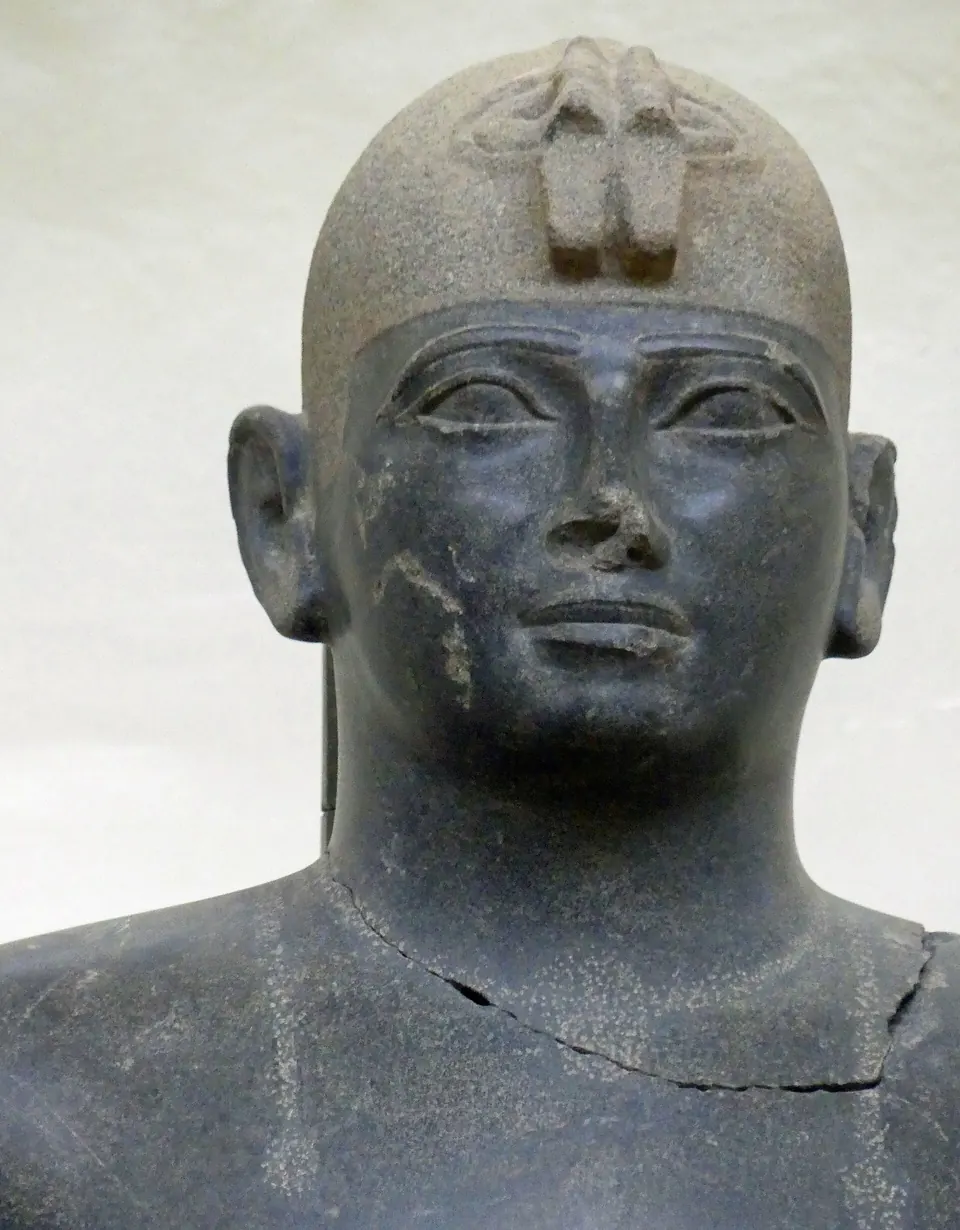
Photo: tobeytravels · CC BY-SA 2.0 · source

Photo: Tangopaso · Public domain · source

Photo: tobeytravels · CC BY-SA 2.0 · source

KU-I.08

Tantamani

Reigned c. 664–653 BCFound: Napata

Last pharaoh of the 25th Dynasty, son of Shabaka (some older works say Shebitku) and nephew of Taharqa.

What it shows

He reconquered Egypt as far as Memphis before Ashurbanipal’s Assyrian army drove him back and sacked Thebes. His Dream Stela at Jebel Barkal records his campaign.

Why it matters

After him, Kush ruled from Napata and later Meroë for another thousand years. He was buried at el-Kurru.

Connects to the book

Sources & dating

Dates are approximate and follow the sources below. Evidence status: CONFIRMED
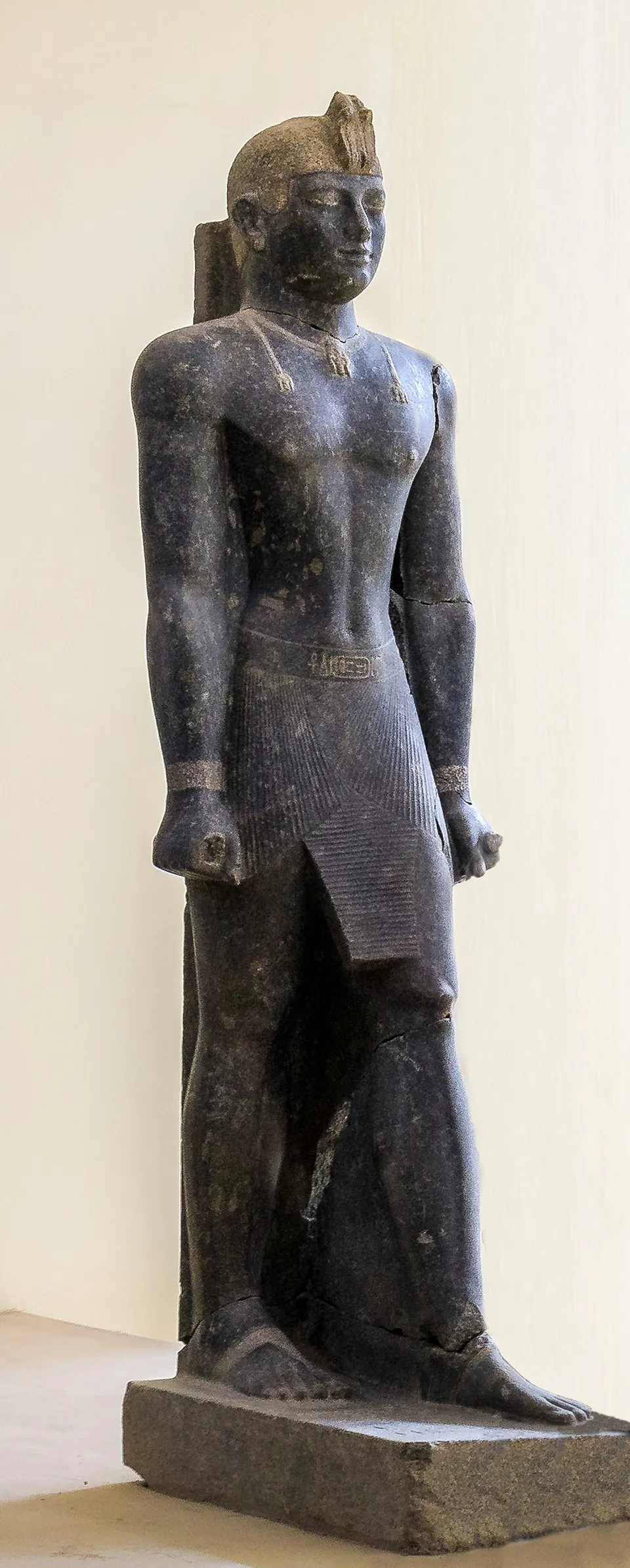
Photo: Matthias Gehricke · CC BY-SA 4.0 · source

Photo: Matthias Gehricke · CC BY-SA 4.0 · source

KU-I.09

Aspelta

Reigned c. 600–580 BC (MFA dates the statue 593–568 BC)Granite gneiss (statue)Found: Napata; statue from Jebel BarkalMuseum of Fine Arts, Boston (statue)Inv. MFA 23.730

King of Kush known from several stelae, including his Election Stela describing how he was chosen king.

What it shows

The colossal statue from Jebel Barkal. In 592 BC the Egyptian king Psamtik II invaded Kush and sacked Napata.

Why it matters

His reign marks the period when Meroë grew in importance. He is buried at Nuri.

Connects to the book

Sources & dating

Dates are approximate and follow the sources below. Evidence status: CONFIRMED
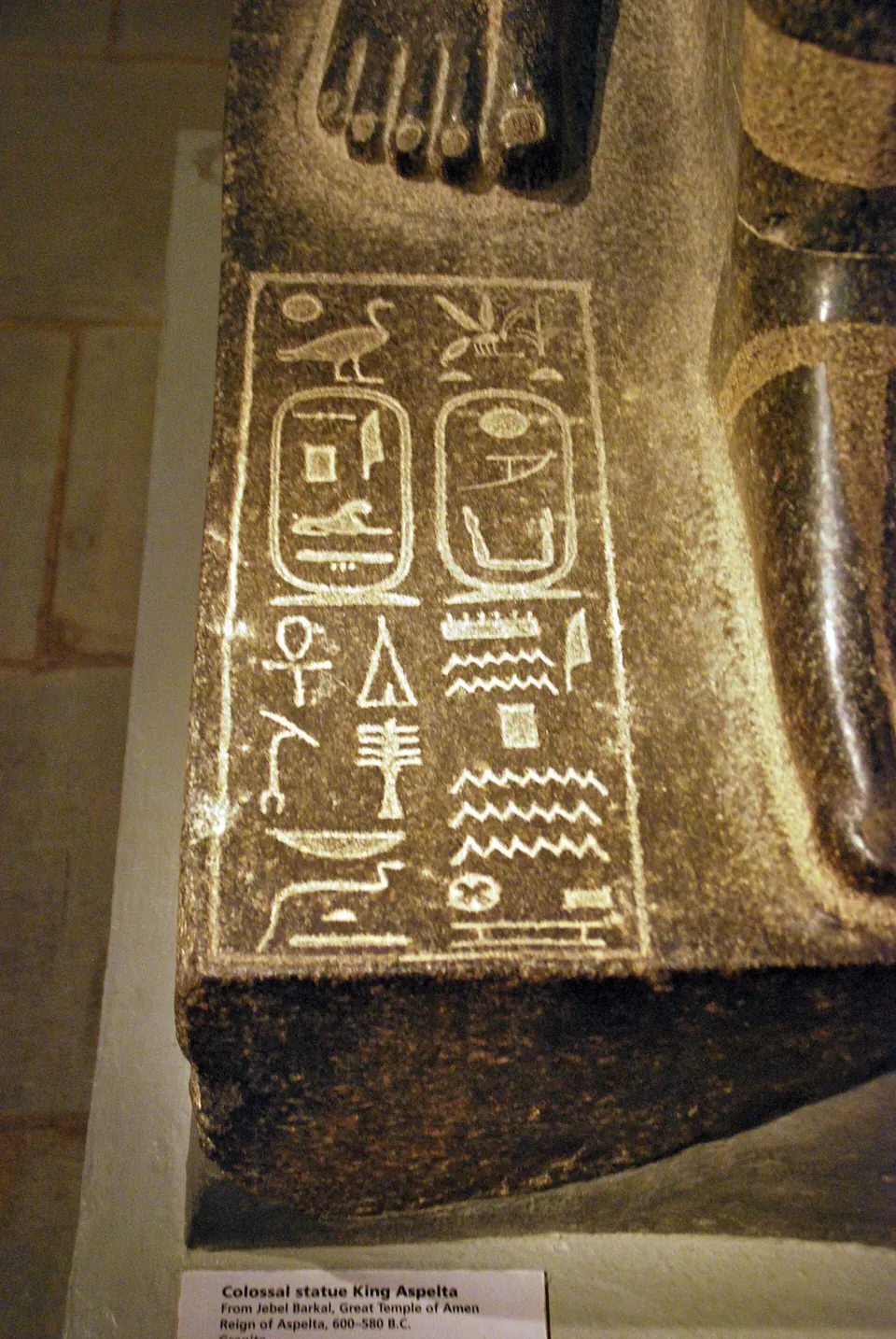
Photo: Picture taken by Marcus Cyron · CC BY 3.0 · source

Photo: Picture taken by Marcus Cyron · CC BY 3.0 · source

KU-I.10

Arkamani I (Ergamenes)

Early 3rd century BCFound: Meroë

A king securely attested by his pyramid at Meroë (Beg. S 6), often identified with “Ergamenes”, whom the Greek historian Diodorus describes as educated in Greek learning.

What it shows

Diodorus says Ergamenes refused the priests’ order to die and overpowered them. Scholars read this as a dynastic change that moved the royal cemetery from Napata to Meroë.

Why it matters

He opens the Meroitic period. The identification with Ergamenes is widely held but not certain.

Connects to the book

Sources & dating

Dates are approximate and follow the sources below. Evidence status: INFERENCE

Photo: Ahmed Amir · CC BY-SA 4.0 · source

Photo: Ahmed Amir · CC BY-SA 4.0 · source

KU-I.11

Kandake Amanirenas

Late 1st century BCFound: Meroë

Queen regnant of Kush, titled qore and kandake. Strabo describes a one-eyed queen “Candace” who led the war against Rome (c. 25–22 BC).

What it shows

Kushite forces raided Roman Egypt around Aswan; peace negotiated with Augustus left Kush independent and Roman claims to tribute dropped. The bronze head of Augustus shown here was probably taken in that raid and buried beneath a temple stair at Meroë.

Why it matters

Her war halted Rome’s southward expansion along the Nile.

Connects to the book

Sources & dating

Dates are approximate and follow the sources below. Evidence status: CONFIRMED
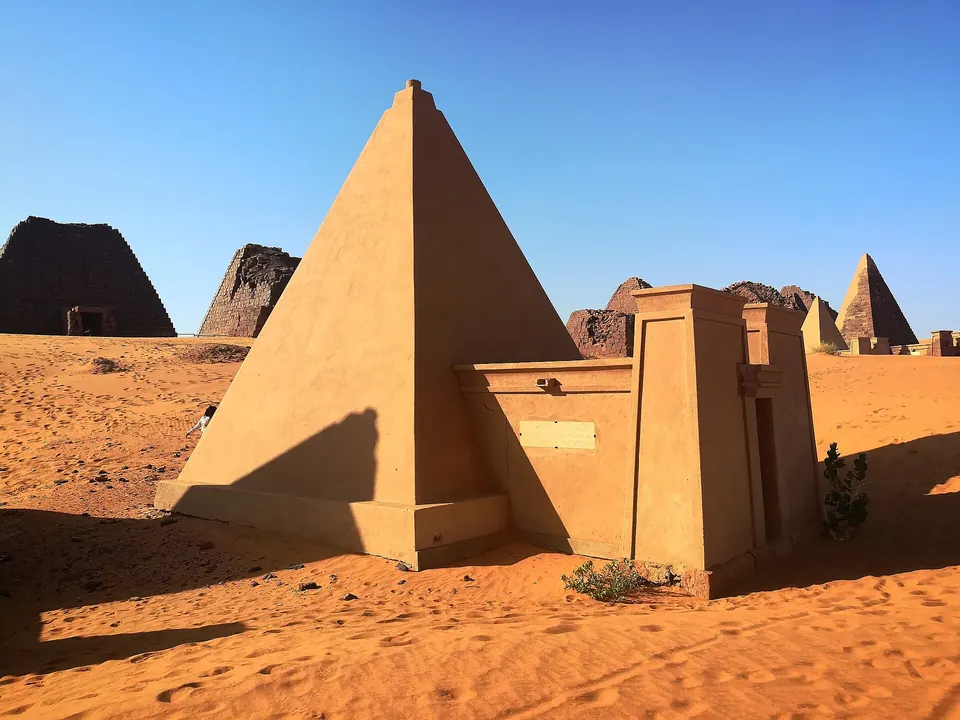
Photo: Paul Hudson from United Kingdom · CC BY 2.0 · source

Photo: Paul Hudson from United Kingdom · CC BY 2.0 · source

KU-I.12

Kandake Amanishakheto

Early 1st century ADFound: Meroë; pyramid Beg. N 6

Queen regnant, titled qore and kandake, known from monuments at Meroë, Kawa, Naqa, Qasr Ibrim and Wad ban Naqa.

What it shows

In 1834 the treasure hunter Giuseppe Ferlini wrecked her pyramid and found her gold jewellery, now in Berlin and Munich (plate from Lepsius’s Denkmäler).

Why it matters

Her jewellery is among the finest goldwork of ancient Africa.

Connects to the book

Sources & dating

Dates are approximate and follow the sources below. Evidence status: CONFIRMED
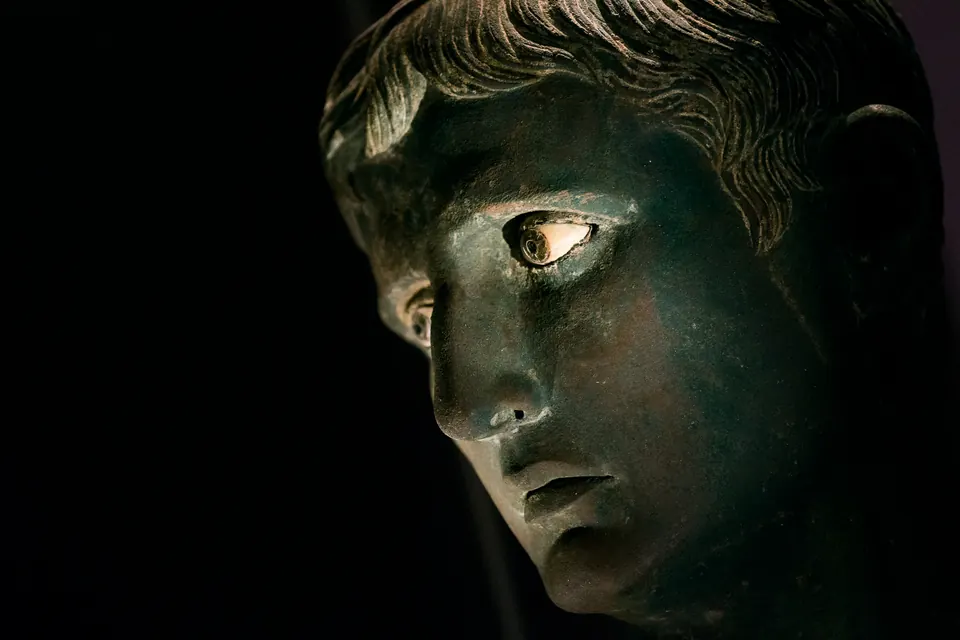
Photo: Scan by NYPL · Public domain · source

Photo: Scan by NYPL · Public domain · source

KU-I.13

Amanitore & Natakamani

Mid-1st century ADFound: Meroë, Naqa, Amara, Jebel Barkal

Kandake Amanitore and King Natakamani ruled together; most scholars now think they were mother and son.

What it shows

On the Lion Temple at Naqa both appear with full royal regalia, smiting enemies — shown as equal rulers.

Why it matters

Theirs is the best-attested reign of the Meroitic period, with temples at Naqa, Meroë, Amara and Jebel Barkal. They may have been contemporaries of Nero, and thus close in time to the “Candace” of Acts 8.

Connects to the book

Sources & dating

Dates are approximate and follow the sources below. Evidence status: NOTED

Photo: Scan by NYPL · Public domain · source

Photo: Scan by NYPL · Public domain · source

KU-I.14

Kandake Shanakdakhete

2nd century BC (traditional) or early 1st century AD (revised); debatedFound: Naqa (Temple F)

A queen regnant titled Son of Re, Lord of the Two Lands, known from the inscriptions of Temple F at Naqa, which she built.

What it shows

The relief shown, from pyramid chapel Beg. N 11 at Meroë, is identified by the British Museum as hers and dated to the 2nd century BC (reign c. 170–150 BC). Some newer research places her reign in the early 1st century AD, which would make that identification uncertain.

Why it matters

A reminder that labels change as evidence improves — both are evidence of powerful royal women in Kush.

Connects to the book

Sources & dating

Dates are approximate and follow the sources below. Evidence status: NOTED

Photo: Osama Shukir Muhammed Amin FRCP(Glasg) · CC BY-SA 4.0 · source

Photo: Osama Shukir Muhammed Amin FRCP(Glasg) · CC BY-SA 4.0 · source

KU-I.15

Head of a Kushite King

ca. 721–664 BCEEgyptian blueFound: EgyptThe Metropolitan Museum of Art, New YorkInv. Met 2021.41.88

Head of a Kushite King: egyptian blue, dated ca. 721–664 BCE in the museum’s record.

What it shows

The Met catalogues it as Third Intermediate Period (Kushite), Dynasty 25; place in the record: Egypt. Size: H. 3.9 × W. 3.7 × D. 3.5 cm (1 9/16 × 1 7/16 × 1 3/8 in.). Bequest of Nanette B. Kelekian, 2020.

Why it matters

A portrait of a Kushite pharaoh of the 25th Dynasty, when the kings of Kush ruled Egypt.

Connects to the book

Sources & dating

Dates are approximate and follow the sources below. Evidence status: CONFIRMED
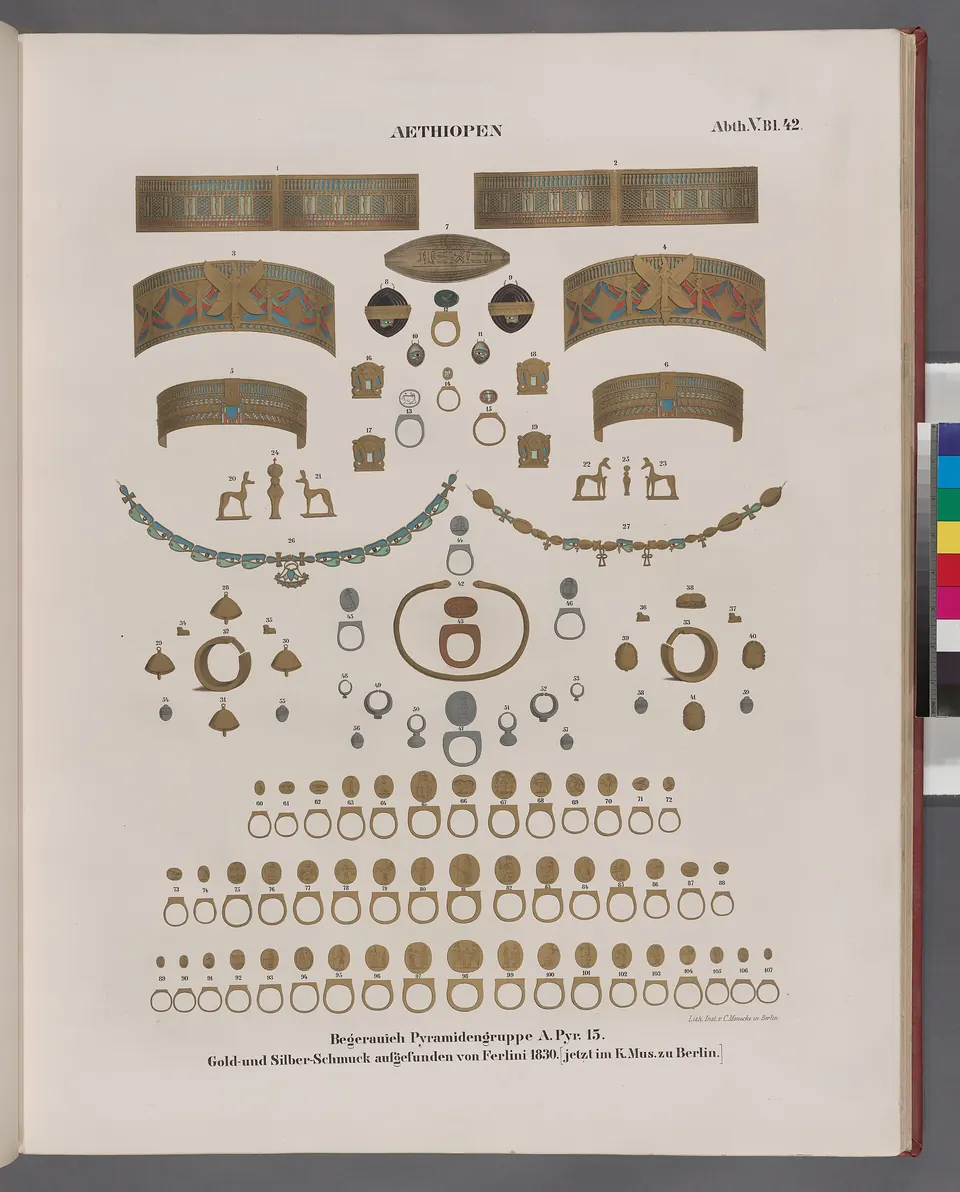
Photo: The Metropolitan Museum of Art · CC0 (The Met Open Access) · source

Photo: The Metropolitan Museum of Art · CC0 (The Met Open Access) · source

KU-I.16

Statue of a kneeling Kushite king

ca. 721–664 BCEBronze; gold leafFound: Nubia, Egypt and SudanThe Metropolitan Museum of Art, New YorkInv. Met 2002.8

Statue of a kneeling Kushite king: bronze; gold leaf, dated ca. 721–664 BCE in the museum’s record.

What it shows

The Met catalogues it as Third Intermediate Period, Kushite Period, Dynasty 25; place in the record: Nubia, Egypt and Sudan. Size: H. 7.3 × W. 3.2 × D. 3.7 cm (2 7/8 × 1 1/4 × 1 7/16 in.). Purchase, Lila Acheson Wallace Gift and Anne and John V. Hansen Egyptian Purchase Fund, 2002.

Why it matters

Kneeling royal statuettes like this show the Kushite kings presenting themselves as pious pharaohs before Egypt’s gods.

Connects to the book

Sources & dating

Dates are approximate and follow the sources below. Evidence status: CONFIRMED
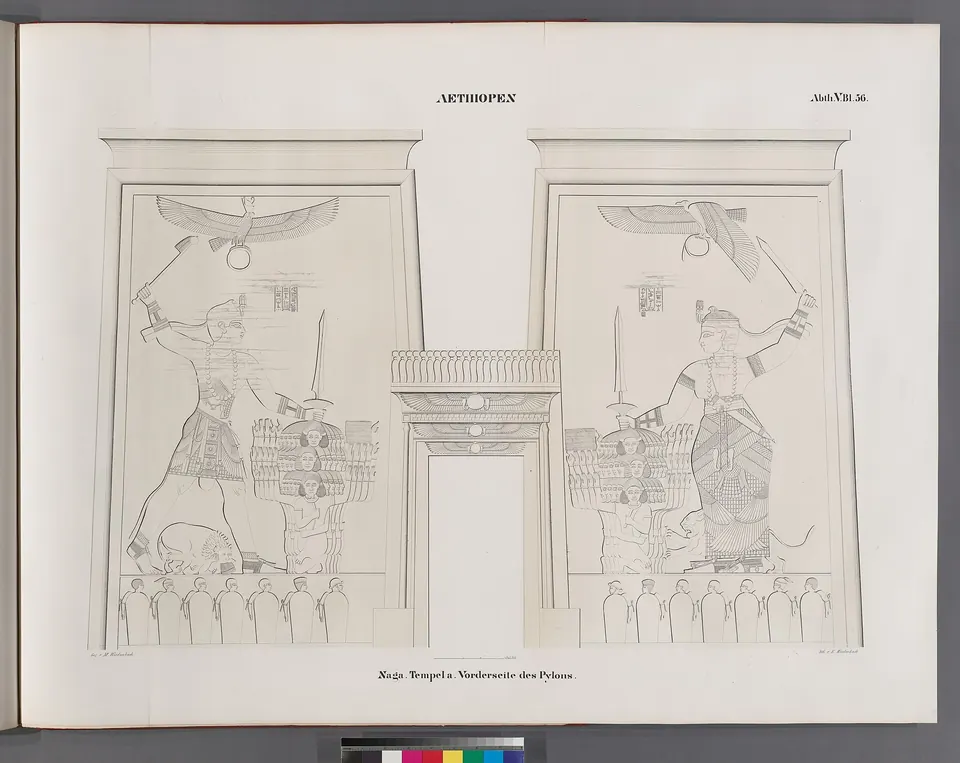
Photo: The Metropolitan Museum of Art · CC0 (The Met Open Access) · source

Photo: The Metropolitan Museum of Art · CC0 (The Met Open Access) · source

KU-I.17

Fragmentary statuette of kneeling King Shabaqo

ca. 705–690 BCEGlazed steatite, paintFound: Egypt and SudanThe Metropolitan Museum of Art, New YorkInv. Met 1990.10

Fragmentary statuette of kneeling King Shabaqo: glazed steatite, paint, dated ca. 705–690 BCE in the museum’s record.

What it shows

The Met catalogues it as Third Intermediate Period, Dynasty 25 (Kushite), reign of Shabaqo; place in the record: Egypt and Sudan. Size: H. 6.3 × L. 8.1 × W. 3.2 cm (2 1/2 × 3 3/16 × 1 1/4 in.). Purchase, Lila Acheson Wallace Gift, 1990.

Why it matters

A named image of Shabaqo, the Kushite king who brought all of Egypt under Kush’s rule.

Connects to the book

Sources & dating

Dates are approximate and follow the sources below. Evidence status: CONFIRMED
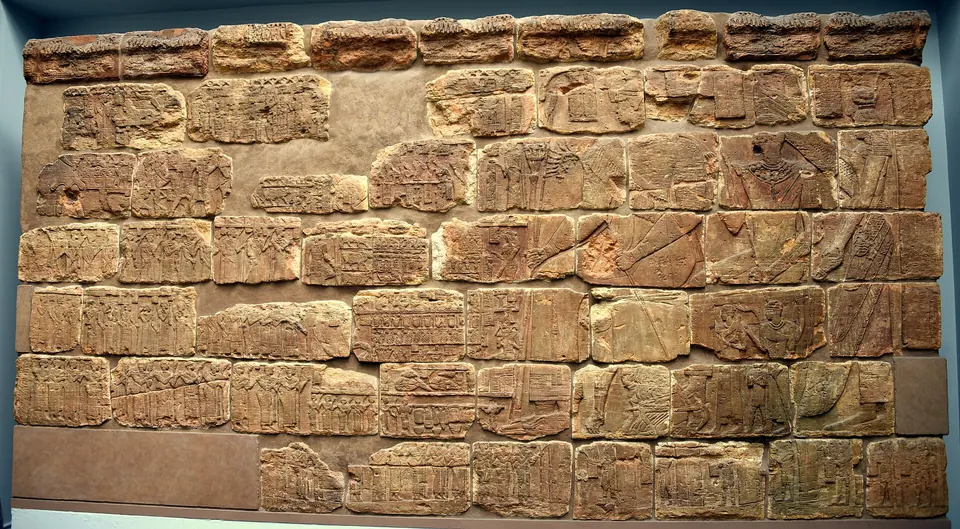
Photo: The Metropolitan Museum of Art · CC0 (The Met Open Access) · source

Photo: The Metropolitan Museum of Art · CC0 (The Met Open Access) · source

KU-I.18

Statuette of Neit with the name of Shabaqo

ca. 705–690 BCEPale green stone: hedenbergite quartzFound: possibly NubiaThe Metropolitan Museum of Art, New YorkInv. Met 30.8.295

Statuette of Neit with the name of Shabaqo: pale green stone: hedenbergite quartz, dated ca. 705–690 BCE in the museum’s record.

What it shows

The Met catalogues it as Third Intermediate Period, Dynasty 25 (Kushite), reign of Shabaqo; place in the record: possibly Nubia. Size: H. 7 cm (2 3/4 in); W. 1.5 cm (9/16 in). Theodore M. Davis Collection, Bequest of Theodore M. Davis, 1915.

Why it matters

Shabaqo’s name on a figure of the Egyptian goddess Neith shows a Kushite king acting as patron of Egypt’s cults.

Connects to the book

Sources & dating

Dates are approximate and follow the sources below. Evidence status: CONFIRMED
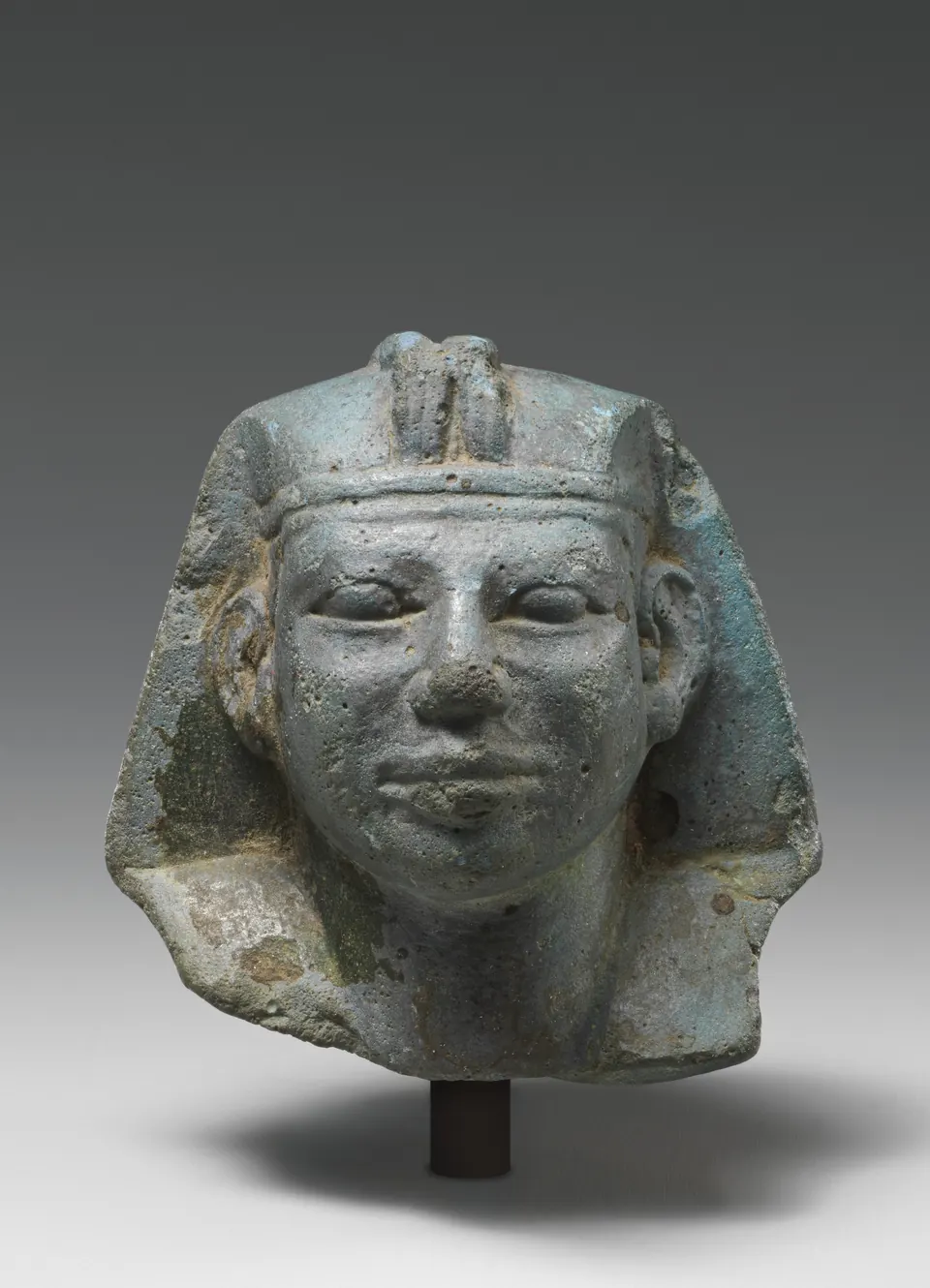
Photo: The Metropolitan Museum of Art · CC0 (The Met Open Access) · source

Photo: The Metropolitan Museum of Art · CC0 (The Met Open Access) · source

Hall II · 6 objects

The Written Word of Kush

Kush wrote first in Egyptian hieroglyphs, then created its own scripts for its own language: Meroitic hieroglyphic and Meroitic cursive, among the oldest written languages of Africa south of Egypt. Their sounds were read in 1909–11; the language itself is still largely undeciphered.

KU-II.01

Kushite kings writing in Egyptian

8th–4th century BCStoneFound: Jebel Barkal, Kawa, Sanam, KarnakEgyptian Museum, Cairo and others

The kings of Napata wrote their great inscriptions in Egyptian hieroglyphs and classical Middle Egyptian, the language of Egypt’s own sacred texts.

What it says and shows

Piye’s Victory Stela (shown here in a museum reconstruction), Taharqa’s Kawa stelae and Aspelta’s Election Stela are long, literary royal texts.

Why it matters

Kushite kings saw themselves as the true guardians of Egyptian tradition, and their texts are among its finest late examples.

Connects to the book

Sources & dating

Dates are approximate and follow the sources below. Evidence status: CONFIRMED
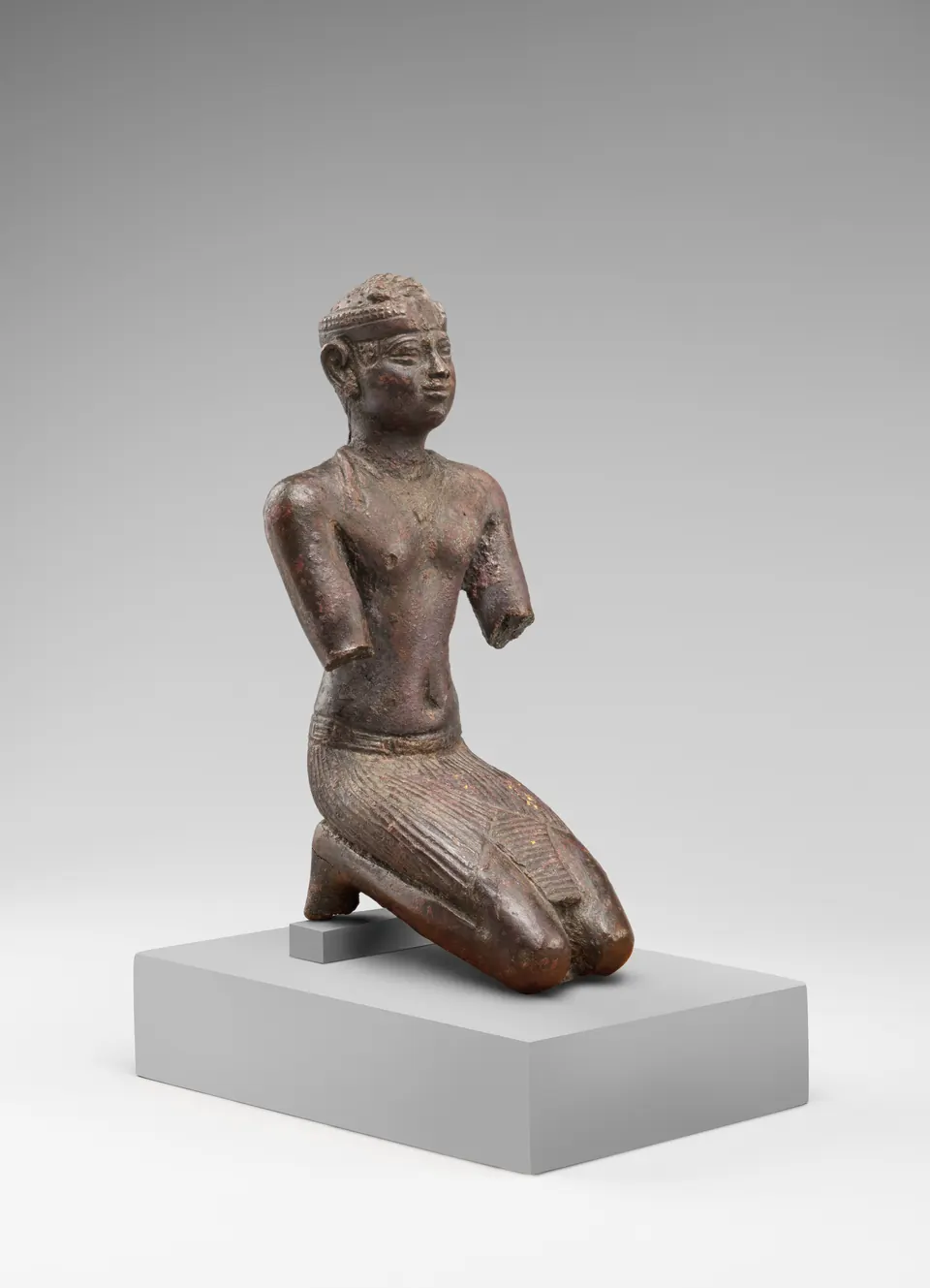
Photo: Tangopaso · Public domain · source

Photo: Tangopaso · Public domain · source

KU-II.02

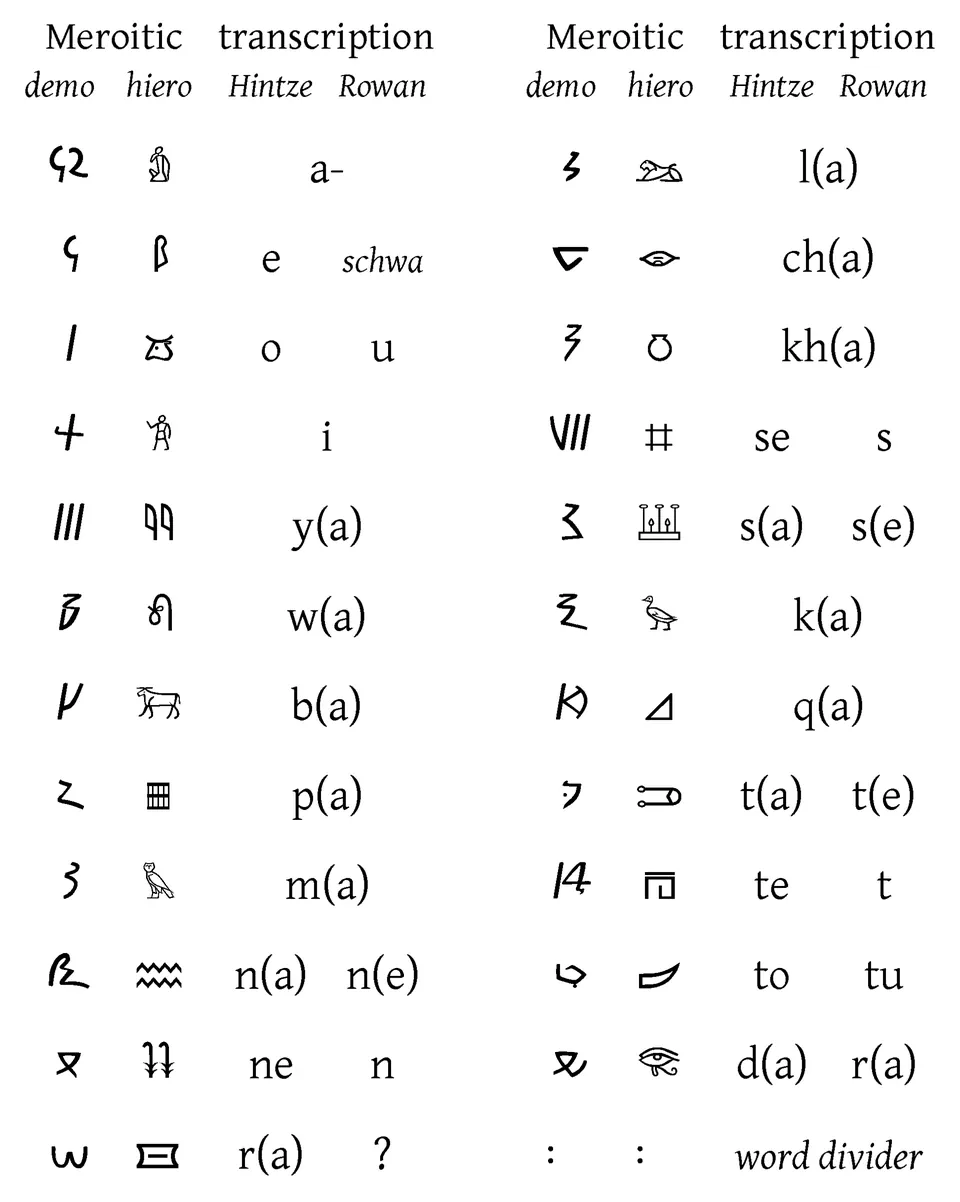
Meroitic hieroglyphic

c. 2nd century BC – 4th century ADStoneFound: Meroë, Naqa and other sitesVarious

A script of 23 signs, most borrowed in shape from Egyptian hieroglyphs, used for royal and religious inscriptions in the Meroitic language.

What it says and shows

Unlike Egyptian, it marks vowels and separates words with a divider of two or three dots; like Egyptian, the signs face the beginning of the text, and it is often written in columns.

Why it matters

It is one of the oldest scripts created for a language of Africa south of Egypt.

Connects to the book

Sources & dating

Dates are approximate and follow the sources below. Evidence status: CONFIRMED
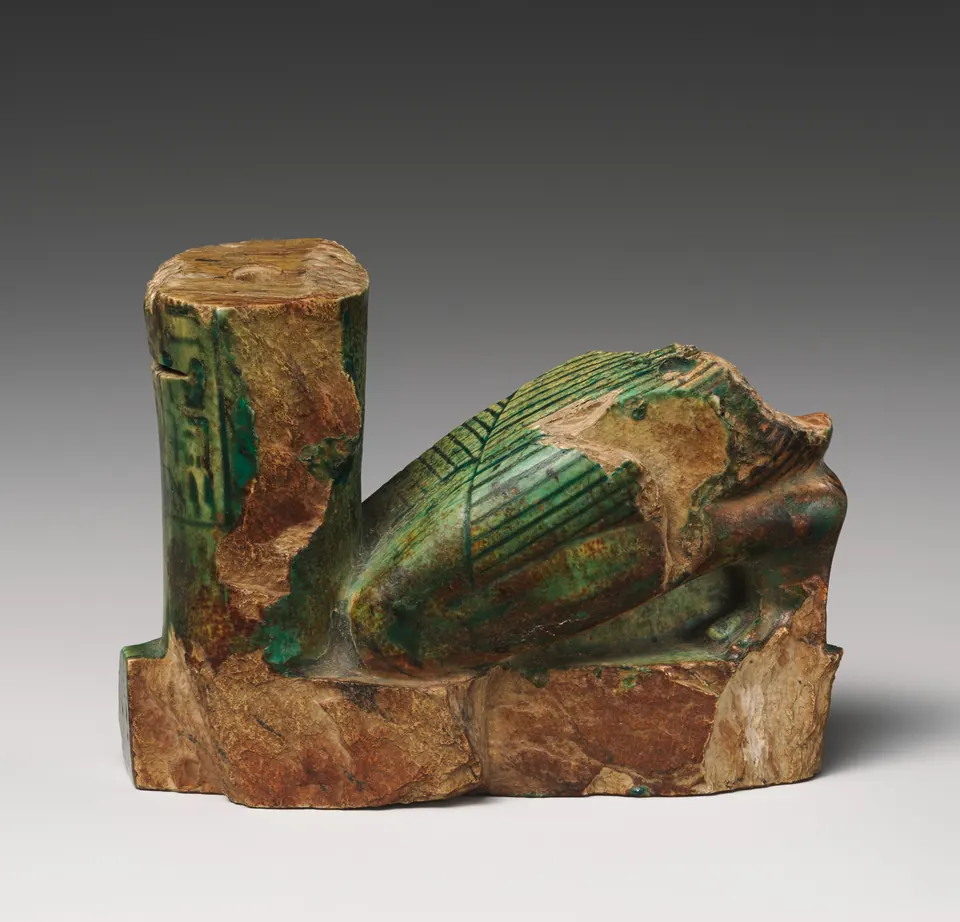
Photo: Unknown author · Public domain · source

Photo: Unknown author · Public domain · source

KU-II.03

Meroitic cursive

c. 2nd century BC – 4th century ADSandstoneFound: MeroëStaatliches Museum Ägyptischer Kunst, MunichInv. ÄS 2624

The everyday form of Meroitic writing, derived from Egyptian demotic and written right to left.

What it says and shows

This 1st-century AD inscription from Meroë is in cursive, the script of most surviving Meroitic texts.

Why it matters

Over a thousand Meroitic texts are known, but because the language is largely undeciphered, most can only be partly understood.

Connects to the book

Sources & dating

Dates are approximate and follow the sources below. Evidence status: CONFIRMED
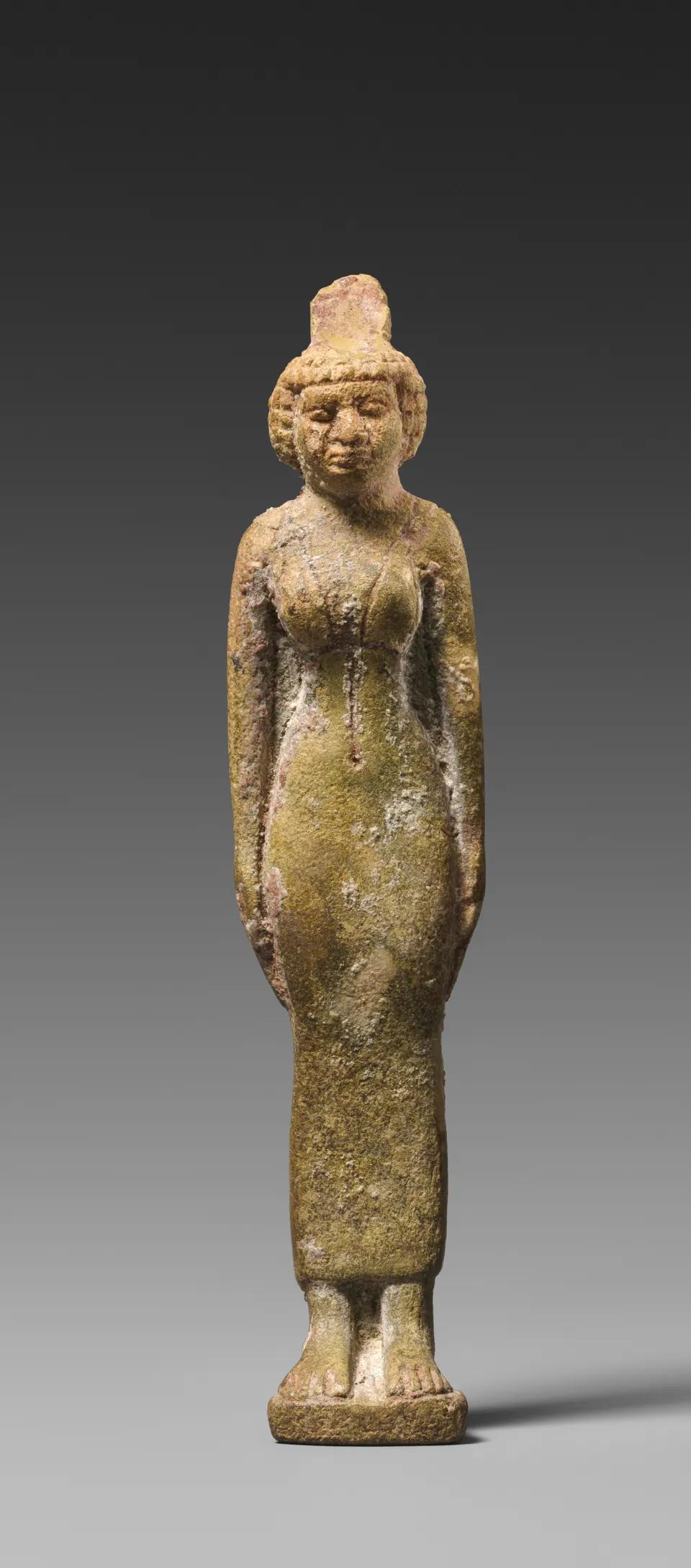
Photo: Rufus46 · CC BY-SA 3.0 · source

Photo: Rufus46 · CC BY-SA 3.0 · source

KU-II.04

Griffith reads the sounds

1909–1911Dark red siltstone (plaque shown)Found: Meroë (plaque); Oxford (Griffith’s work)Walters Art Museum, Baltimore (plaque)Inv. 22.258

The British Egyptologist Francis Llewellyn Griffith worked out the sound values of both Meroitic scripts, using Meroitic spellings of Egyptian names.

What it says and shows

Shown: a votive plaque of the Meroitic king Tanyidamani (mid 2nd century BC; excavated by John Garstang in 1909–1910 in the Temple of Apedemak at Meroë; Walters Art Museum 22.258). Its Meroitic inscriptions name the king and the god Apedemak.

Why it matters

Thanks to Griffith, Meroitic texts can be read aloud — but the meaning of most words is still unknown, one of the great open puzzles of ancient languages.

Connects to the book

Sources & dating

Dates are approximate and follow the sources below. Evidence status: CONFIRMED
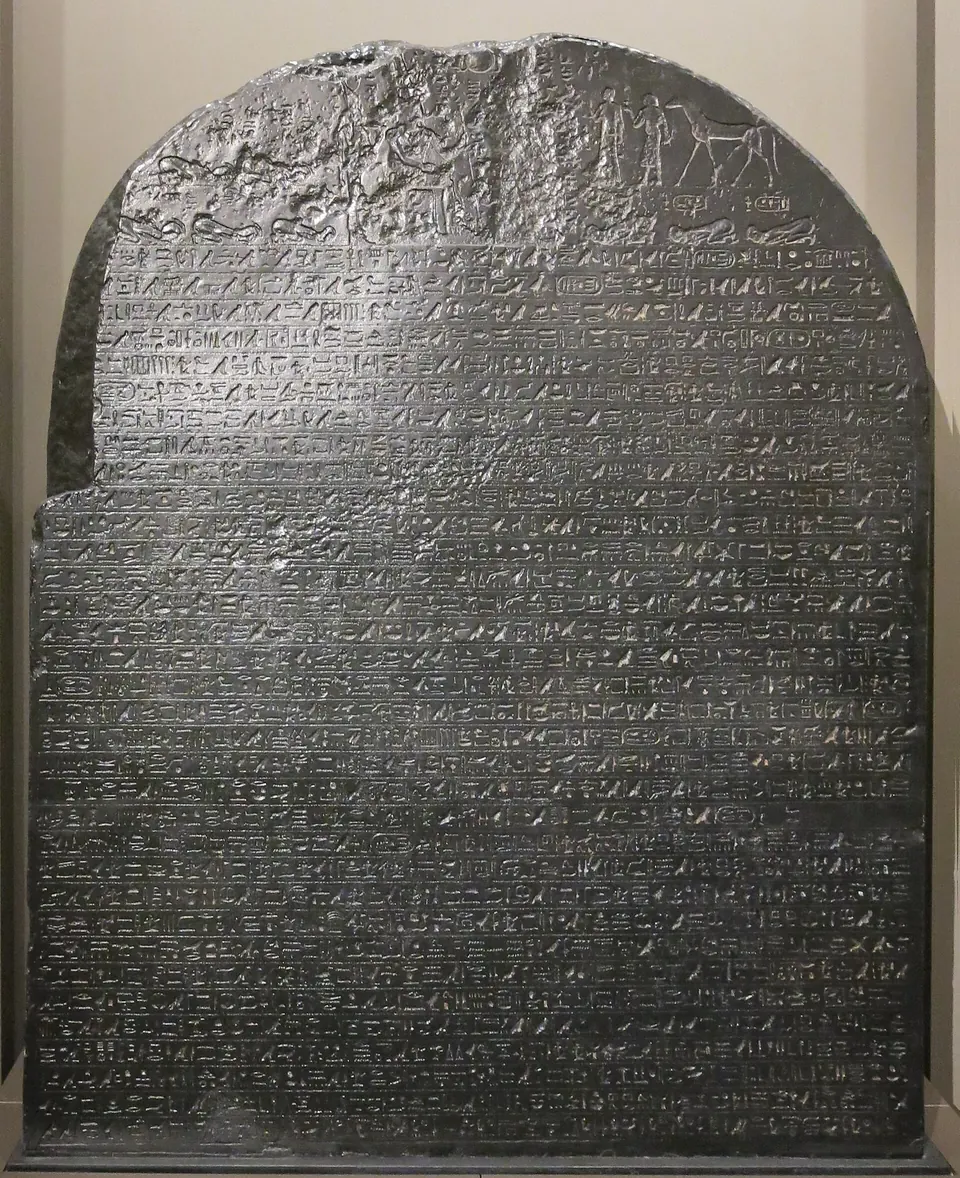
Photo: Walters Art Museum · CC0 (Walters Art Museum) · source

Photo: Walters Art Museum · CC0 (Walters Art Museum) · source

Photo: Anonymous (Egypt) · Public domain · source

Photo: Walters Art Museum · CC0 (Walters Art Museum) · source

KU-II.05

The Hamadab stela of Amanirenas and Akinidad

Late 1st century BC (BM)Ferruginous sandstoneFound: Hamadab, 2 km south of Meroë (excavated by John Garstang, 1914)British Museum, LondonInv. EA 1650 (reg. 1914,1013.1)

A tall sandstone stela that stood to the left of a small temple doorway at Hamadab. Its long inscription is in Meroitic cursive and names Queen Amanirenas and Prince Akinidad.

What it says and shows

The lunette at the top (only the lower part survives) showed the queen and prince before a god, probably Amun, and a goddess, perhaps Mut, above a frieze of bound prisoners. The BM counts 42 lines of text in one account and 45 rows in another.

Why it matters

Meroitic can be sounded out but not translated. Many scholars think this text records the war with Rome of c. 25–22 BC, and a word read “Areme” may be the Meroitic name for Rome; that is a scholarly interpretation, not a reading.

Connects to the book

Sources & dating

Dates are approximate and follow the sources below. Evidence status: NOTED

3D scan of the real object: “Sandstone Stela” by artfletch (Sketchfab) · CC BY 4.0 · Sketchfab page

3D scan of the real object: “Sandstone Stela” by artfletch (Sketchfab) · CC BY 4.0 · Sketchfab page

KU-II.06

The Shabaka Stone: a Kushite king preserves Egypt’s theology

c. 710 BC (BM date; the BM dates Shabaka’s reign c. 716–702 BC, others c. 705–690 BC)Conglomerate, per the BM recordFound: Temple of Ptah, Memphis; later reused as a millstoneBritish Museum, LondonInv. EA 498

A stone slab on which the Kushite pharaoh Shabaka had the “Memphite Theology” carved, claiming he had found the old copy “eaten by worms”.

What it says and shows

Two horizontal lines name Shabaka; sixty vertical columns below give the creation account of Ptah. The centre was ground away when the slab was reused as a millstone.

Why it matters

The BM notes the “worm-eaten original” is probably a literary device and that the text in its present form was likely composed in Shabaka’s own time; whether its content is older is still debated.

Connects to the book

Sources & dating

Dates are approximate and follow the sources below. Evidence status: CONFIRMED
3D scan of the real object: “The Shabako Stone” by Daniel Pett (danielpett) (Sketchfab) · CC BY 4.0 · Sketchfab page

3D scan of the real object: “The Shabako Stone” by Daniel Pett (danielpett) (Sketchfab) · CC BY 4.0 · Sketchfab page

Hall III · 9 objects

Stelae & Reliefs

Kushite kings recorded their victories, coronations and building works on stone, in a classical Egyptian that impressed Egypt’s own scribes — and later in reliefs of Kushite gods such as the lion-headed Apedemak.

KU-III.01

The Victory Stela of Piye

c. 728 BC (year 21 of Piye)GraniteFound: Temple of Amun, Jebel Barkal (found 1862)Egyptian Museum, CairoInv. JE 48862

A round-topped stela covered on all four sides with the account of Piye’s conquest of Egypt.

What it says and shows

The defeated rulers of Egypt bow before Piye; one leads a horse. The text describes the siege of Hermopolis and the taking of Memphis; Piye is angered that horses had been left to starve.

Why it matters

It is one of the longest and most vivid royal inscriptions in Egyptian, written for a Kushite king. (Shown: a reconstruction; the original is in Cairo.)

Connects to the book

Sources & dating

Dates are approximate and follow the sources below. Evidence status: CONFIRMED
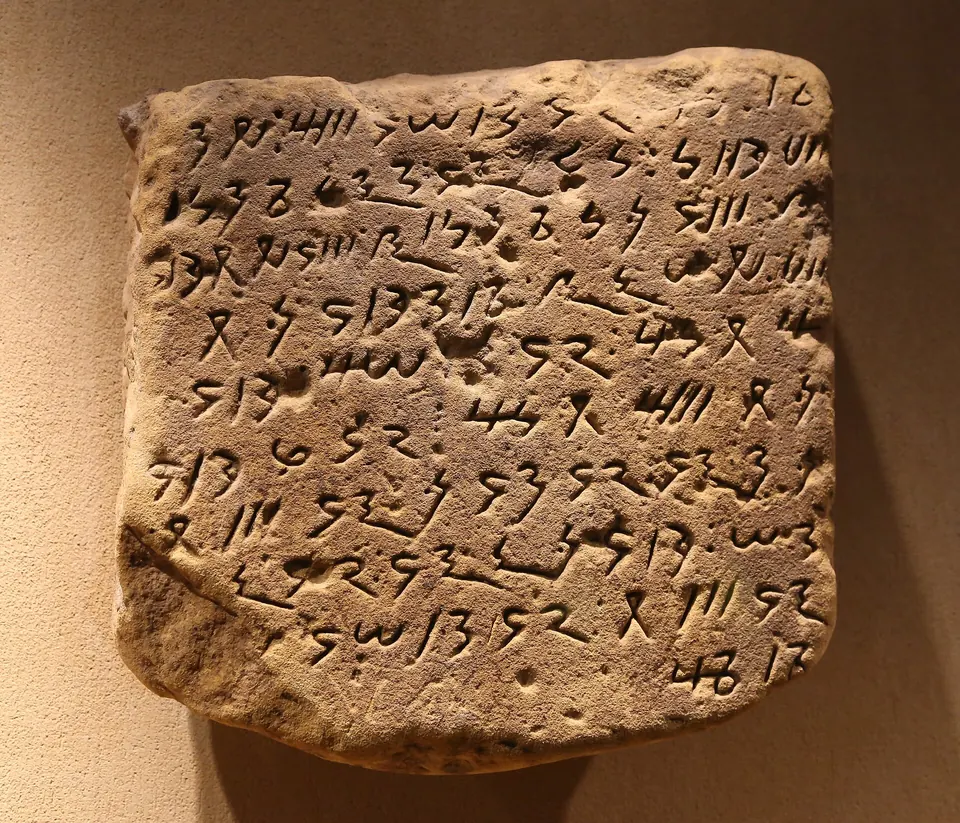
Photo: Tangopaso · Public domain · source

Photo: Tangopaso · Public domain · source

KU-III.02

The Sphinx of Taharqo

c. 680 BCGranite (probably granite gneiss), per the BM recordFound: Kawa, Temple T (Griffith’s Oxford excavations)British Museum, LondonInv. EA 1770 (reg. 1932,0611.1)

A sphinx with the face of King Taharqa, found at Kawa by the Oxford excavations of the 1930s. The 3D scan was made by Christian Lavigne while the sphinx was on loan to the Louvre’s 2022 exhibition “Pharaon des Deux Terres”.

What it says and shows

Kushite features, a lion’s mane, and the double uraeus (two cobras) worn by Kushite kings; his cartouches are carved on the chest.

Why it matters

One of the British Museum’s “History of the World in 100 Objects”: the face of the king named in 2 Kings 19:9.

Connects to the book

Sources & dating

Dates are approximate and follow the sources below. Evidence status: CONFIRMED
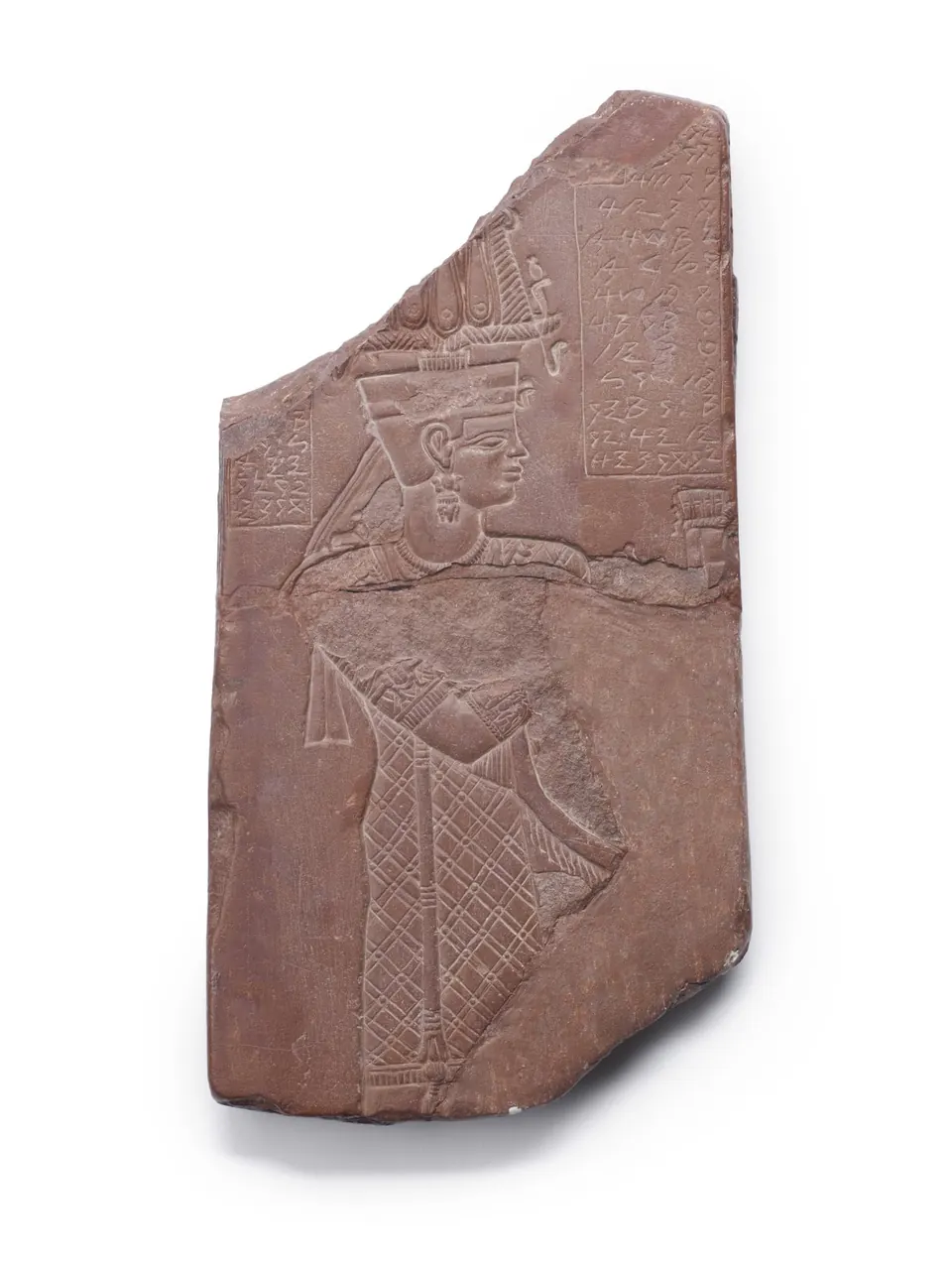
Photo: Prioryman · CC BY-SA 4.0 · source

3D scan of the real object: “sphinx de Taharqa, pharaon du VIIe s. AEC” by Christian Lavigne (lavigne) (Sketchfab) · CC BY 4.0 · Sketchfab page

Photo: Prioryman · CC BY-SA 4.0 · source

KU-III.03

Ram of Amun protecting Taharqa

690–664 BC (reign of Taharqa), per the BM recordGranitic gneiss; base partly restoredFound: Kawa, Temple T (excavated by F. Ll. Griffith)British Museum, LondonInv. EA 1779 (reg. 1933,0610.1)

A ram, the sacred animal of Amun, sheltering a small figure of King Taharqa beneath its head.

What it says and shows

The god literally protects the king. It comes from Taharqa’s temple at Kawa.

Why it matters

Kush’s devotion to Amun in ram form is a hallmark of Kushite religion.

Connects to the book

Sources & dating

Dates are approximate and follow the sources below. Evidence status: CONFIRMED
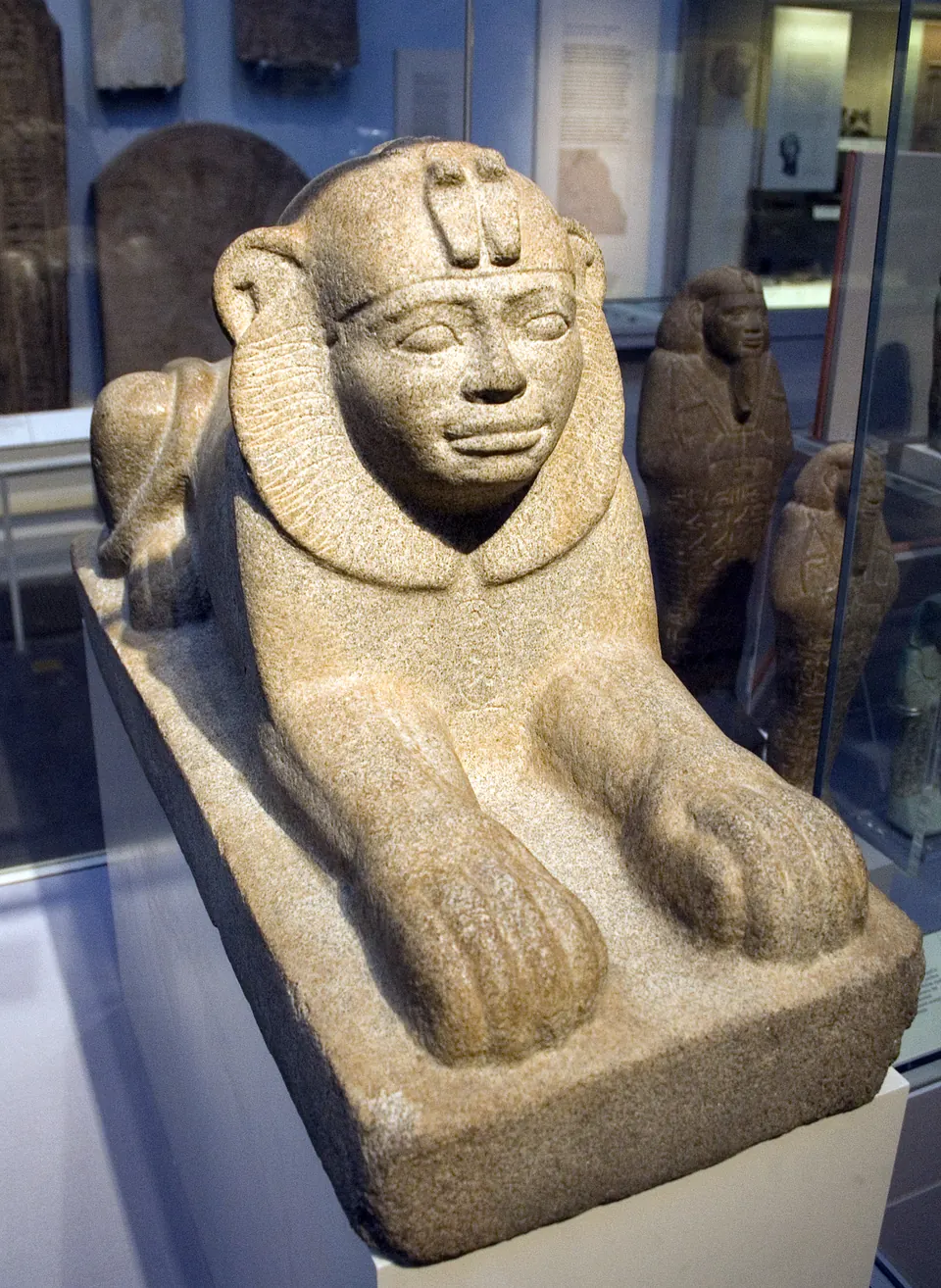
Photo: 14GTR · CC0 · source

3D scan of the real object: “Ram of Amun, Kawa” by Daniel Pett (danielpett) (Sketchfab) · CC BY 4.0 · Sketchfab page

Photo: 14GTR · CC0 · source

KU-III.04

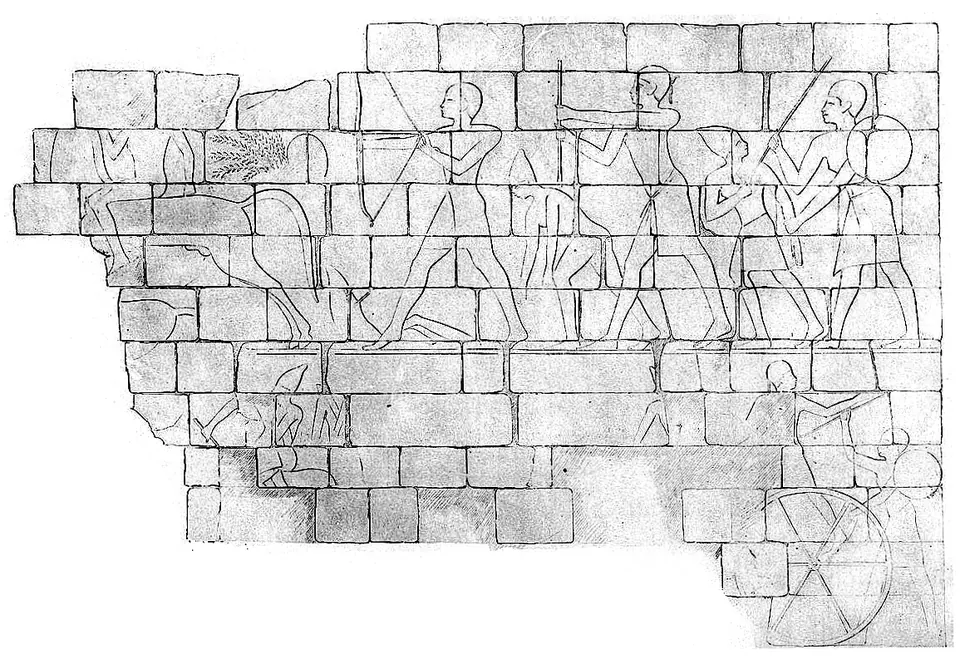
Kushites and Assyrians at war

7th century BCRelief (drawing)Found: Temple of Amun, Jebel BarkalIn situ (fragments)

A battle relief from the Temple of Amun at Jebel Barkal.

What it says and shows

Soldiers in combat, drawn by Lepsius’s expedition; the Commons title calls it Kushites fighting Assyrians, but the enemy is not securely identified.

Why it matters

Kush and Assyria fought for control of Egypt in the reigns of Taharqa and Tantamani — the same struggle behind 2 Kings 19.

Connects to the book

Sources & dating

Dates are approximate and follow the sources below. Evidence status: INFERENCE

Photo: Karl Richard Lepsius (Latin: Carolus Richardius Lepsius) (23 December 1810 – 10 July 1884) · Public domain · source

Photo: Karl Richard Lepsius (Latin: Carolus Richardius Lepsius) (23 December 1810 – 10 July 1884) · Public domain · source

KU-III.05

The Lion Temple of Naqa: reliefs of Apedemak

Mid-1st century ADSandstoneFound: NaqaIn situ

The temple of the Kushite lion-god Apedemak, built by Natakamani and Amanitore.

What it says and shows

On the pylon, king and queen strike their enemies; on the side walls, Apedemak appears with a lion’s head, and on the back as a lion-headed serpent rising from a flower.

Why it matters

It is the clearest expression of Kush’s own gods and royal ideology, distinct from Egypt.

Connects to the book

Sources & dating

Dates are approximate and follow the sources below. Evidence status: CONFIRMED
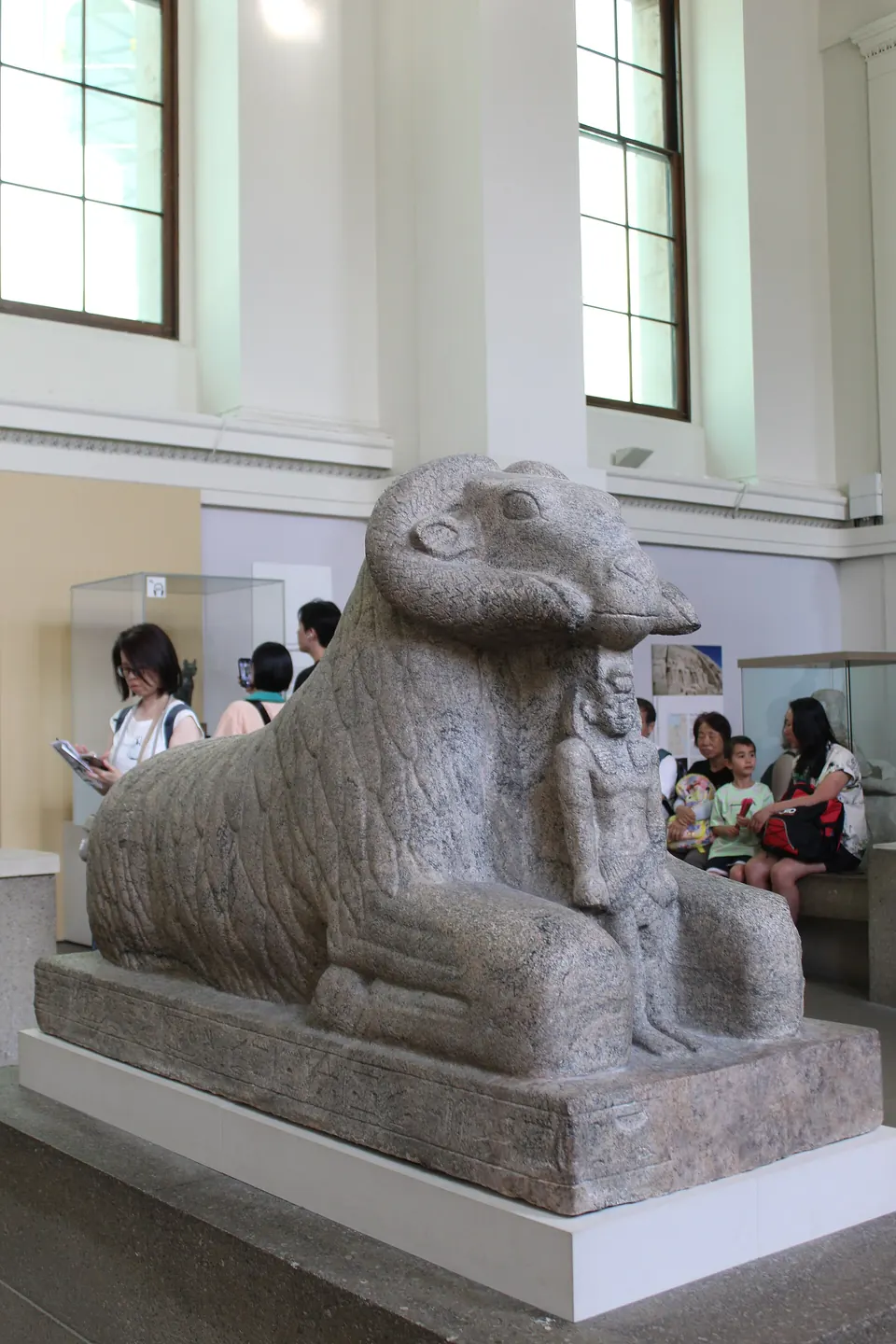
Photo: User:LassiHU · CC BY-SA 4.0 · source

Photo: User:LassiHU · CC BY-SA 4.0 · source

KU-III.06

Relief from pyramid chapel Beg. N 11

2nd century BCSandstone, fifty-one blocks (244 × 455.5 cm)Found: Meroë, North Cemetery, pyramid N 11, chapel south wallBritish Museum, LondonInv. EA 719 (reg. 1905,0410.1)

The south wall of the offering chapel of pyramid Beg. N 11 at Meroë, rebuilt from fifty-one sandstone blocks. It was removed before George Reisner excavated the tomb in 1921–22 and was given to the British Museum by the Government of Sudan.

What it says and shows

An enthroned queen with a prince behind her, both protected by the wings of Isis; in front, registers of offering scenes, the weighing of the heart before Anubis, and rows of women bearing palm branches. The cartouches were left empty.

Why it matters

A rare complete chapel wall from Meroë. The British Museum identifies the queen as Shanakdakhete (c. 170–150 BC); some newer research dates her reign later, which would make the identification uncertain (see Hall I).

Connects to the book

Sources & dating

Dates are approximate and follow the sources below. Evidence status: NOTED

Photo: Unknown author · CC BY 3.0 · source

3D scan of the real object: “Meroë relief from Queen Shanakdakhete’s chapel” by Daniel Pett (danielpett) (Sketchfab) · CC BY 4.0 · Sketchfab page

Photo: Unknown author · CC BY 3.0 · source

KU-III.07

The Ashmolean ram of Amun with Taharqa

About 680 BC (Ashmolean)Granite gneissFound: Temple of Amun (Temple T), Kawa, Sudan; it flanked a temple doorwayAshmolean Museum, OxfordInv. AN1931.553

The partner type of the British Museum ram: a couchant ram of Amun-Re sheltering a small standing figure of King Taharqa under its chin.

What it says and shows

Pairs of these granite rams guarded the doorways of Taharqa’s temple at Kawa; the Ashmolean says a duplicate “would have sat opposite”. It now stands outside the Shrine of Taharqa, which was also moved from Kawa to Oxford.

Why it matters

Two museums in two countries hold rams from the same Kushite temple, the work of the king the Bible calls Tirhakah.

Connects to the book

Sources & dating

Dates are approximate and follow the sources below. Evidence status: CONFIRMED
3D scan of the real object: “Amun Ram Ashmolean” by Daniel Pett (danielpett) (Sketchfab) · CC0 · Sketchfab page

3D scan of the real object: “Amun Ram Ashmolean” by Daniel Pett (danielpett) (Sketchfab) · CC0 · Sketchfab page

KU-III.08

Donation Stela of Shabaqo

ca. 705–690 BCELimestoneThe Metropolitan Museum of Art, New YorkInv. Met 55.144.6

Donation Stela of Shabaqo: limestone, dated ca. 705–690 BCE in the museum’s record.

What it says and shows

The Met catalogues it as Third Intermediate Period, Dynasty 25 (Kushite), reign of Shabaqo; no findspot recorded. Size: H. 37.5 × W. 23 × D. 5.8 cm, 10.6 kg (14 3/4 × 9 1/16 × 2 5/16 in., 23.4 lb.). Rogers Fund, 1955.

Why it matters

A dated royal document of Shabaqo’s reign: Kushite kings recorded land donations to temples in Egyptian hieroglyphs.

Connects to the book

Sources & dating

Dates are approximate and follow the sources below. Evidence status: CONFIRMED
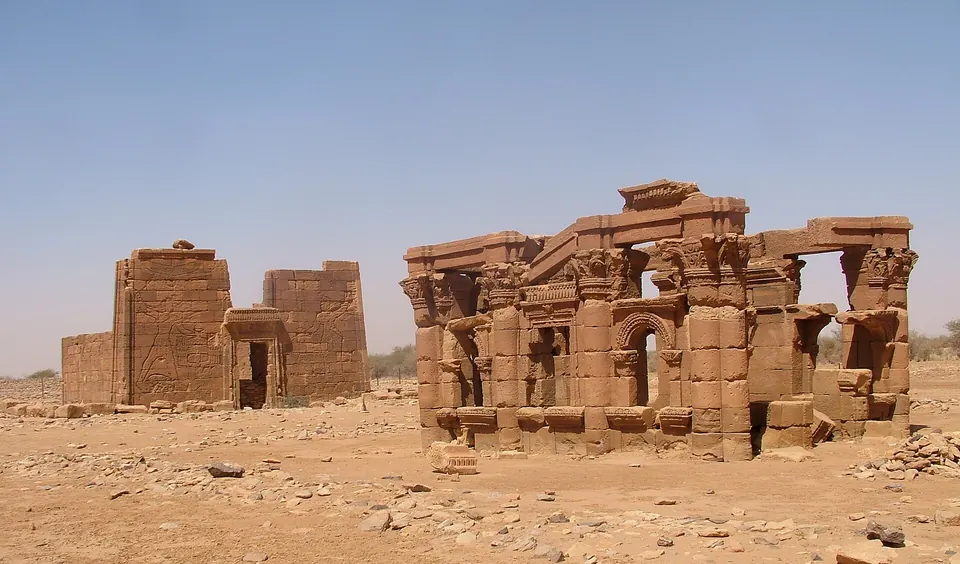
Photo: The Metropolitan Museum of Art · CC0 (The Met Open Access) · source

Photo: The Metropolitan Museum of Art · CC0 (The Met Open Access) · source

KU-III.09

Stela with man offering to Re-Harakhty, unfinished

ca. 721–664 BCEWood, gesso, paintFound: EgyptThe Metropolitan Museum of Art, New YorkInv. Met O.C.81

Stela with man offering to Re-Harakhty, unfinished: wood, gesso, paint, dated ca. 721–664 BCE in the museum’s record.

What it says and shows

The Met catalogues it as Third Intermediate Period, Dynasty 25 (Kushite); place in the record: Egypt. Size: L. 17.8 × W. 2.2 × H. 22.9 cm (7 × 7/8 × 9 in.). Gift of James Douglas, 1890.

Why it matters

An unfinished stela from the Kushite period shows how such monuments were laid out before the carving was completed.

Connects to the book

Sources & dating

Dates are approximate and follow the sources below. Evidence status: CONFIRMED
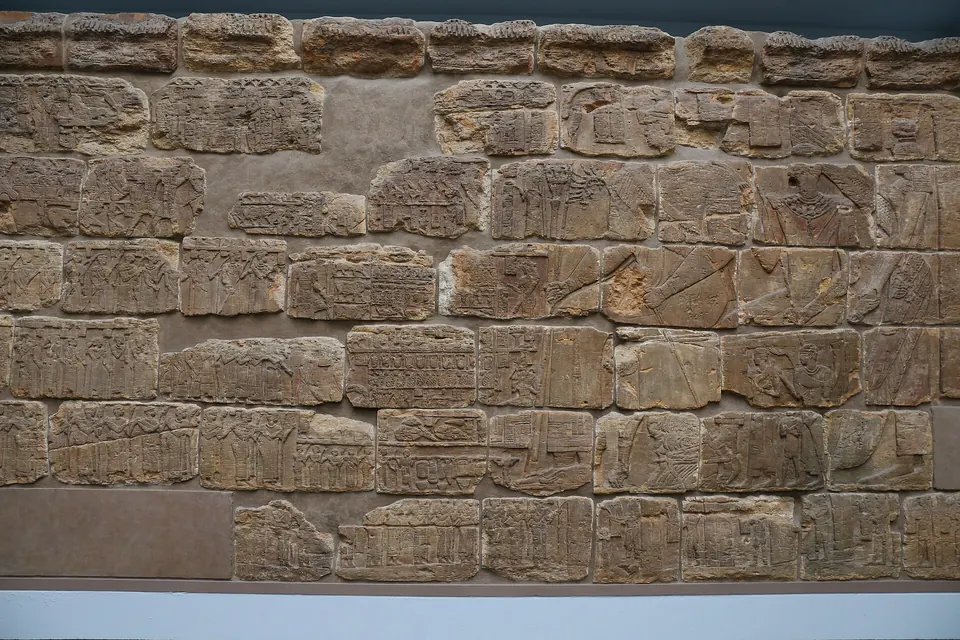
Photo: The Metropolitan Museum of Art · CC0 (The Met Open Access) · source

Photo: The Metropolitan Museum of Art · CC0 (The Met Open Access) · source

Hall IV · 9 objects

Monuments & Pyramids

Sudan has more pyramids than Egypt — steep, narrow and clustered in royal cemeteries at el-Kurru, Nuri and Meroë. Before them rose the great mud-brick deffufas of Kerma, and after them the temple cities of the Butana.

KU-IV.01

The Western Deffufa, Kerma

Built after c. 1750 BC (Classic Kerma)Mud brickFound: KermaIn situ

A huge mud-brick temple at the heart of ancient Kerma, about 50 by 25 metres and some 18 metres high.

What it shows

Solid masonry with a stair to the top, where ceremonies were probably held; temples and workshops surrounded it.

Why it matters

It is among the oldest and largest monumental mud-brick buildings in Africa.

Connects to the book

Sources & dating

Dates are approximate and follow the sources below. Evidence status: CONFIRMED
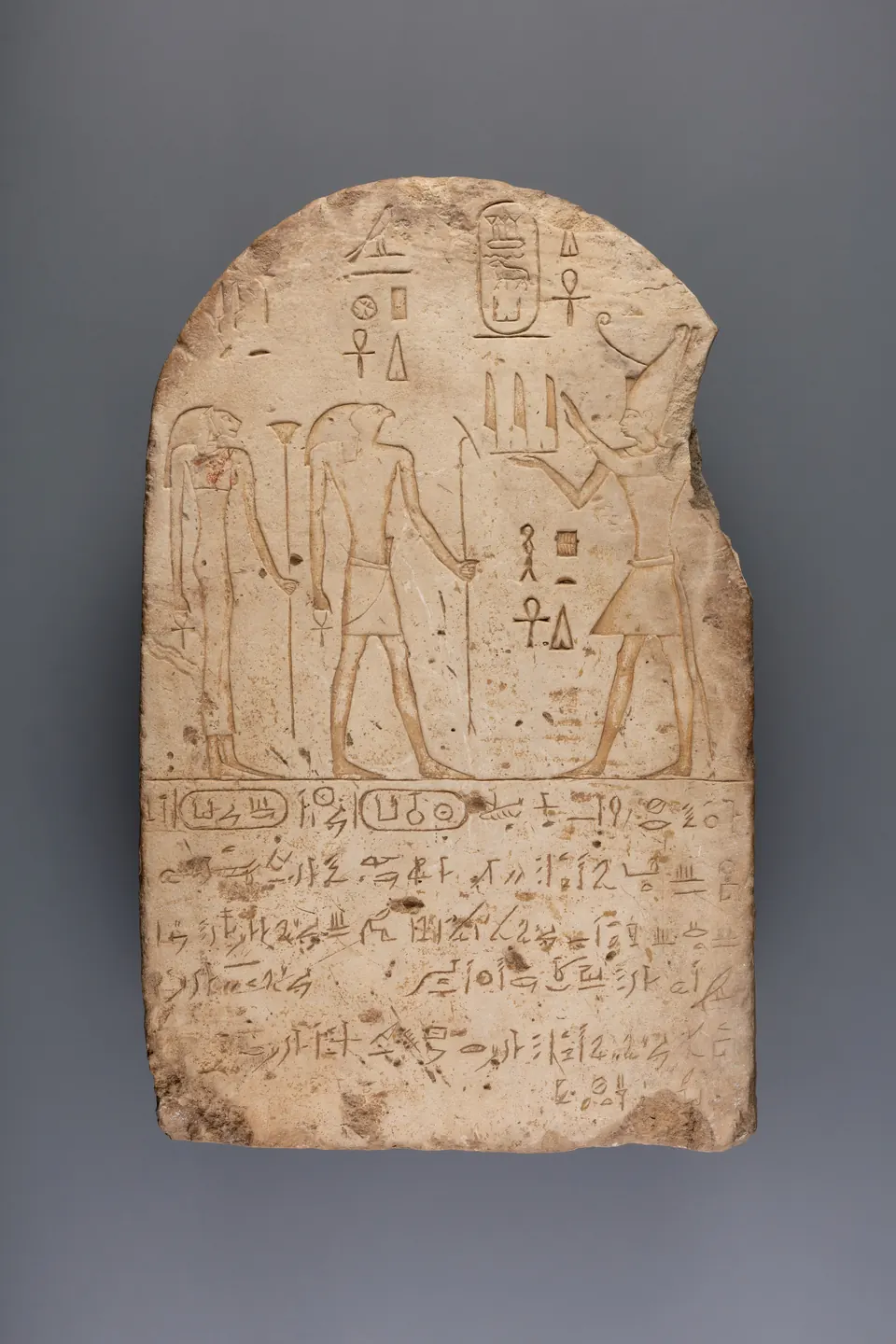
Photo: walter callens · CC BY 2.0 · source

Photo: walter callens · CC BY 2.0 · source

KU-IV.02

The Eastern Deffufa and the royal tumuli

c. 1700–1500 BCMud brickFound: Kerma, eastern cemeteryIn situ

A funerary chapel about 2 km east of the city, among a cemetery of some 30,000 graves.

What it shows

Two columned halls; nearby, the giant royal tumuli of Kerma’s last kings. (Shown: grave plans K 333 and K 334 from Reisner’s 1923 report; no openly licensed photograph of the Eastern Deffufa was found.)

Why it matters

The cemetery documents the wealth and organisation of Kerma at its height.

Connects to the book

Sources & dating

Dates are approximate and follow the sources below. Evidence status: CONFIRMED
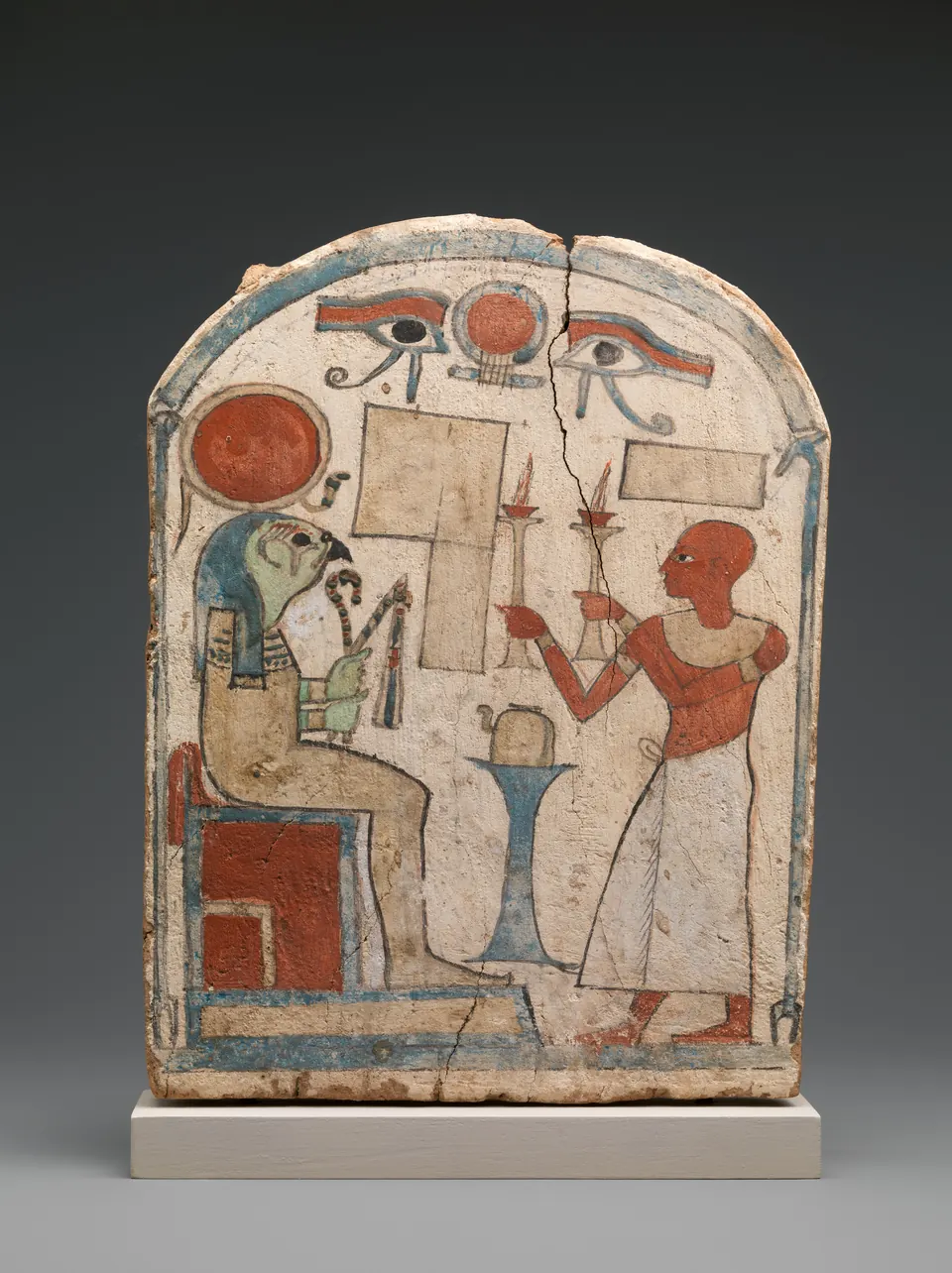
Photo: Tumbler12 · CC0 · source

Photo: Tumbler12 · CC0 · source

KU-IV.03

Jebel Barkal and the Temple of Amun

From c. 1450 BC; rebuilt by Piye and TaharqaSandstoneFound: Karima, SudanIn situ (UNESCO World Heritage, 2003)

A flat-topped sandstone mountain with a natural pinnacle that looks like a rearing cobra, revered as a home of Amun.

What it shows

At its foot, the great Temple of Amun, founded under Thutmose III and expanded by Piye; around it temples, palaces and pyramids.

Why it matters

Kushite kings were crowned here. It is a UNESCO World Heritage Site with Napata, el-Kurru and Nuri.

Connects to the book

Sources & dating

Dates are approximate and follow the sources below. Evidence status: CONFIRMED
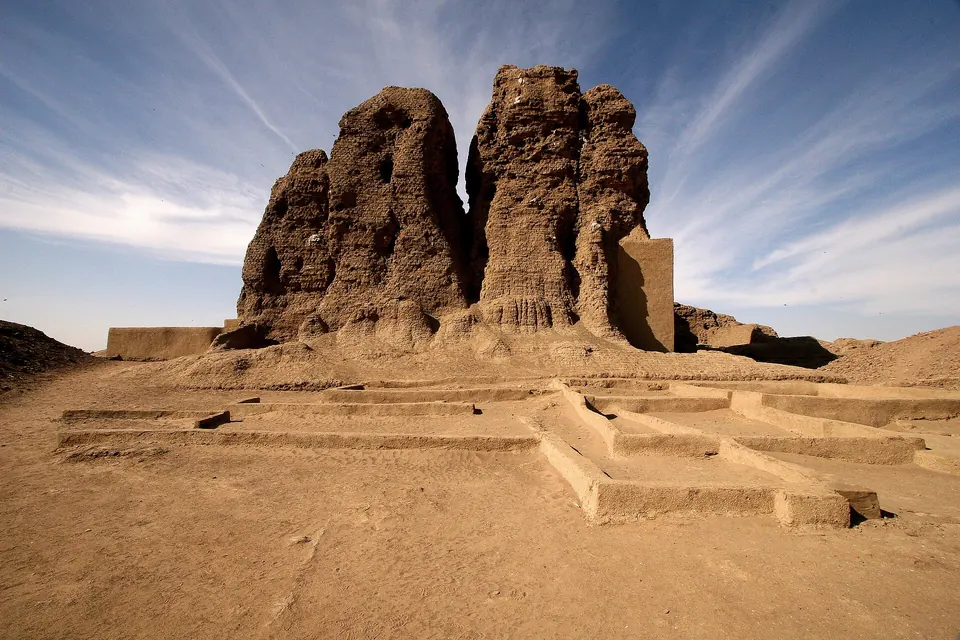
Photo: Maurice Chédel · Public domain · source

Photo: Hans Birger Nilsen · CC BY-SA 2.0 · source

Photo: Maurice Chédel · Public domain · source

KU-IV.04

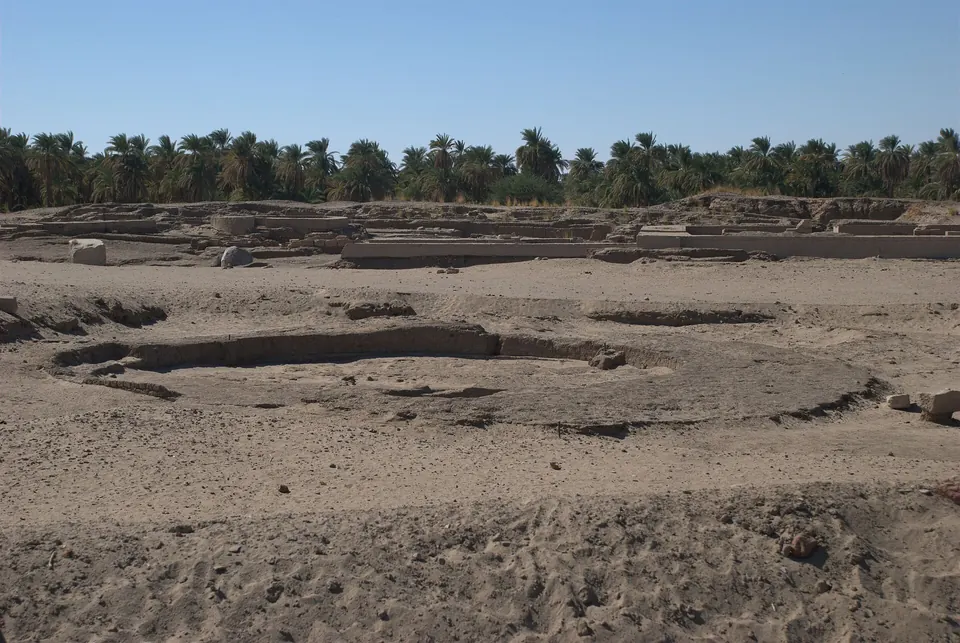
El-Kurru: the first royal cemetery

c. 860–650 BCSandstone pyramids over rock-cut tombsFound: El-Kurru, near Jebel BarkalIn situ

The cemetery of Piye, Shabaka, Shebitku and Tantamani and their predecessors, excavated by George Reisner in 1918–19.

What it shows

The tomb of Tantamani preserves painted burial chambers; Piye’s horses were buried nearby.

Why it matters

It is where the first Kushite pyramids were built — the start of Sudan’s pyramid tradition.

Connects to the book

Sources & dating

Dates are approximate and follow the sources below. Evidence status: CONFIRMED
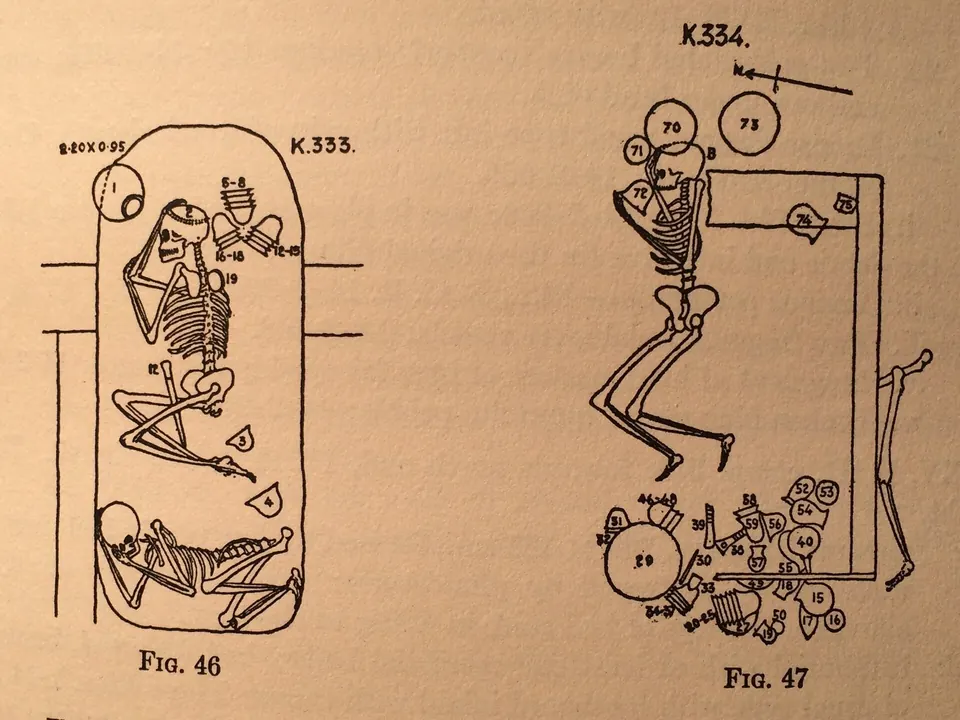
Photo: Bertramz · CC BY 3.0 · source

Photo: Bertramz · CC BY 3.0 · source

KU-IV.05

Nuri and the pyramid of Taharqa

c. 670 BC (Taharqa) – c. 310 BC (Nastasen)SandstoneFound: Nuri, near Jebel BarkalIn situ

The royal cemetery founded by Taharqa, whose pyramid is the largest at the site; later Napatan kings and queens followed him.

What it shows

More than 20 pyramids still stand; 80 or more probably stood here at its height. George Reisner’s Harvard–Boston expedition excavated the site from 1916 and recovered more than a thousand shabtis of Taharqa.

Why it matters

It is part of the UNESCO site of Gebel Barkal and the Napatan region.

Connects to the book

Sources & dating

Dates are approximate and follow the sources below. Evidence status: CONFIRMED
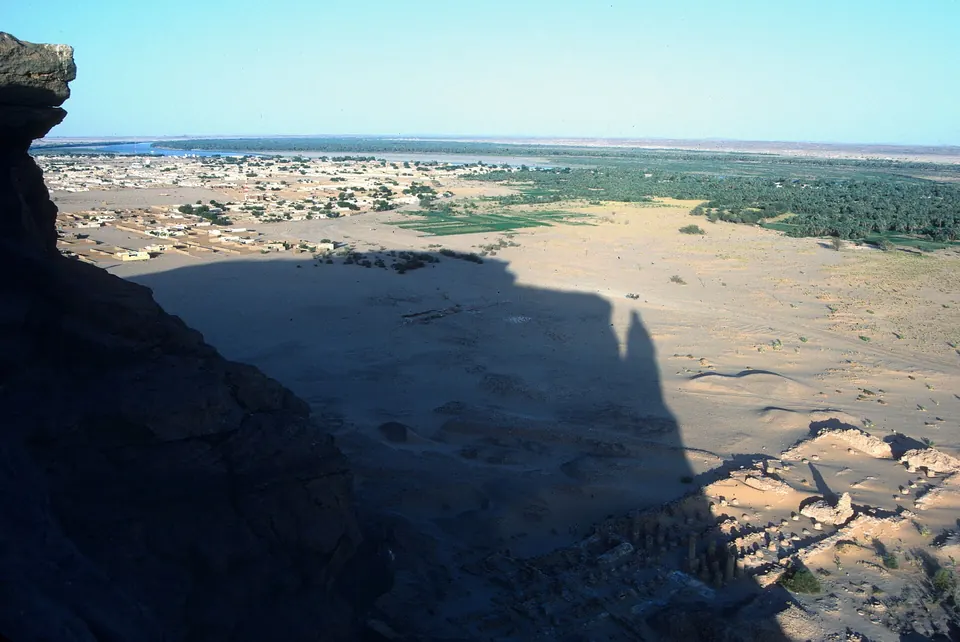
Photo: Sue Fleckney · CC BY-SA 2.0 · source

Photo: Bruce Allardice · CC BY-SA 2.0 · source

Photo: Sue Fleckney · CC BY-SA 2.0 · source

KU-IV.06

The pyramids of Meroë

c. 300 BC – AD 350SandstoneFound: Bagrawiya, near ShendiIn situ (UNESCO World Heritage, 2011)

The royal cemeteries of the Meroitic kingdom: steep-sided pyramids, most with an offering chapel on the east side.

What it shows

Many tops were destroyed in the 1830s by Ferlini’s treasure hunting.

Why it matters

Together with Naqa and Musawwarat, Meroë forms the UNESCO site “Archaeological Sites of the Island of Meroë”.

Connects to the book

Sources & dating

Dates are approximate and follow the sources below. Evidence status: CONFIRMED
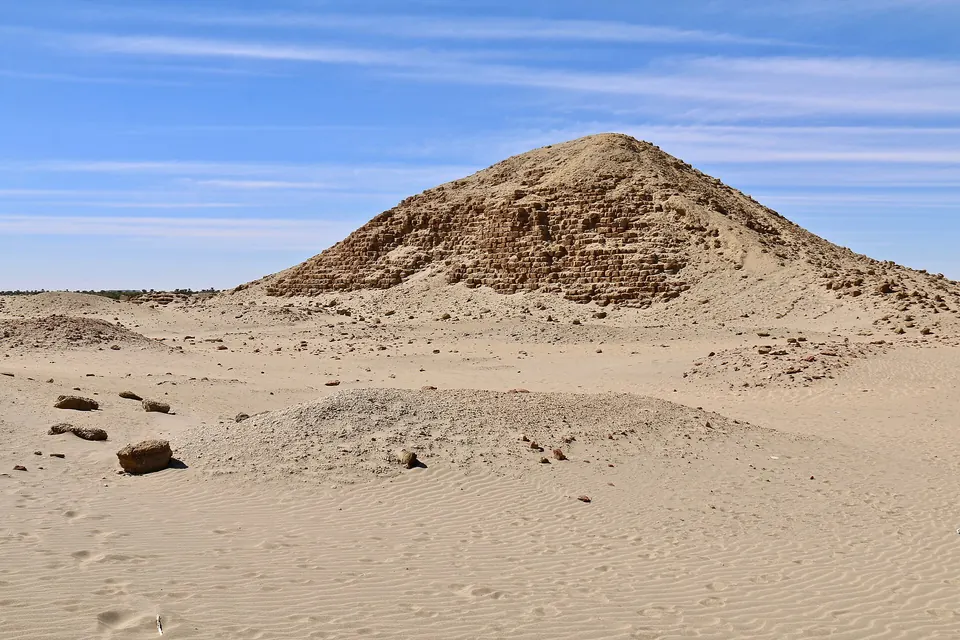
Photo: Ahmed Amir · CC BY-SA 4.0 · source

Photo: Dbxsoul · CC BY 3.0 · source

Photo: Ahmed Amir · CC BY-SA 4.0 · source

KU-IV.07

Naqa

1st century BC – 1st century ADSandstoneFound: Butana, about 170 km north-east of KhartoumIn situ (UNESCO)

A Meroitic city in the Butana with temples of Apedemak and Amun and a “kiosk” mixing Egyptian, Greek and Roman styles.

What it shows

The Amun temple is approached by an avenue of ram statues.

Why it matters

It shows Kush as a meeting point between Africa and the Mediterranean world.

Connects to the book

Sources & dating

Dates are approximate and follow the sources below. Evidence status: CONFIRMED
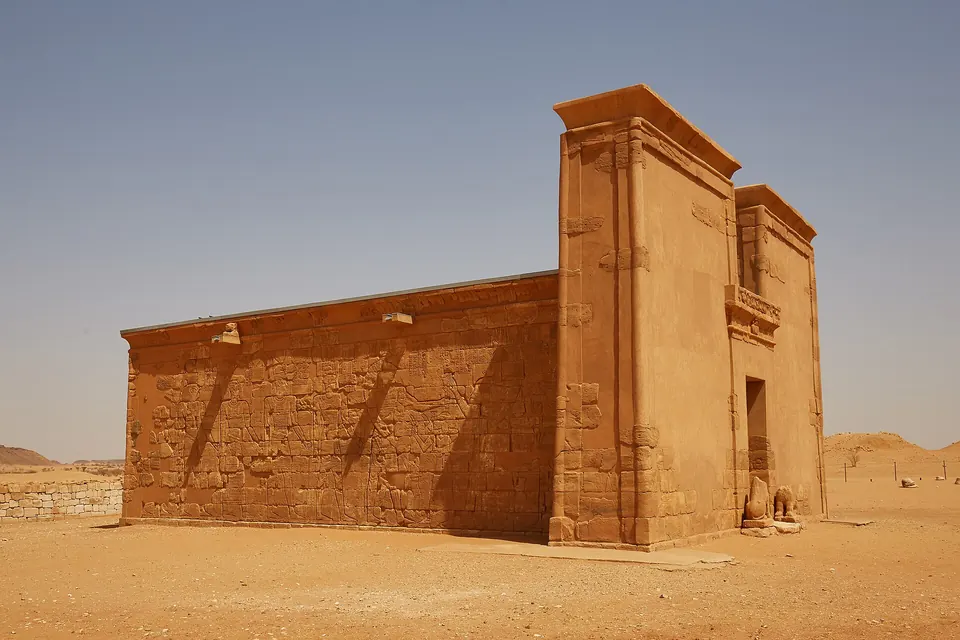
Photo: User:LassiHU · CC BY-SA 4.0 · source

Photo: User:LassiHU · CC BY-SA 4.0 · source

KU-IV.08

Musawwarat es-Sufra

From the 3rd century BCSandstoneFound: ButanaIn situ (UNESCO)

A vast Meroitic temple complex with the Great Enclosure, a Lion Temple of Apedemak and a great reservoir.

What it shows

Many images of elephants suggest the animal had a special role here.

Why it matters

Its purpose is still debated — pilgrimage centre, royal compound or elephant training ground have all been proposed.

Connects to the book

Sources & dating

Dates are approximate and follow the sources below. Evidence status: NOTED

Photo: Vaido Otsar · CC BY-SA 4.0 · source

Photo: Vaido Otsar · CC BY-SA 4.0 · source

KU-IV.09

Kawa (Gematon)

New Kingdom to Meroitic; Temple T built by TaharqaSandstoneFound: Opposite DongolaIn situ

A temple town of Amun built by Egyptian kings and greatly enlarged by Taharqa.

What it shows

Taharqa’s Kawa stelae tell of his journey north, his coronation, and the high Nile of his sixth year. The sphinx and the ram on display came from here.

Why it matters

Kawa’s inscriptions are among the richest sources for the Kushite pharaohs.

Connects to the book

Sources & dating

Dates are approximate and follow the sources below. Evidence status: CONFIRMED
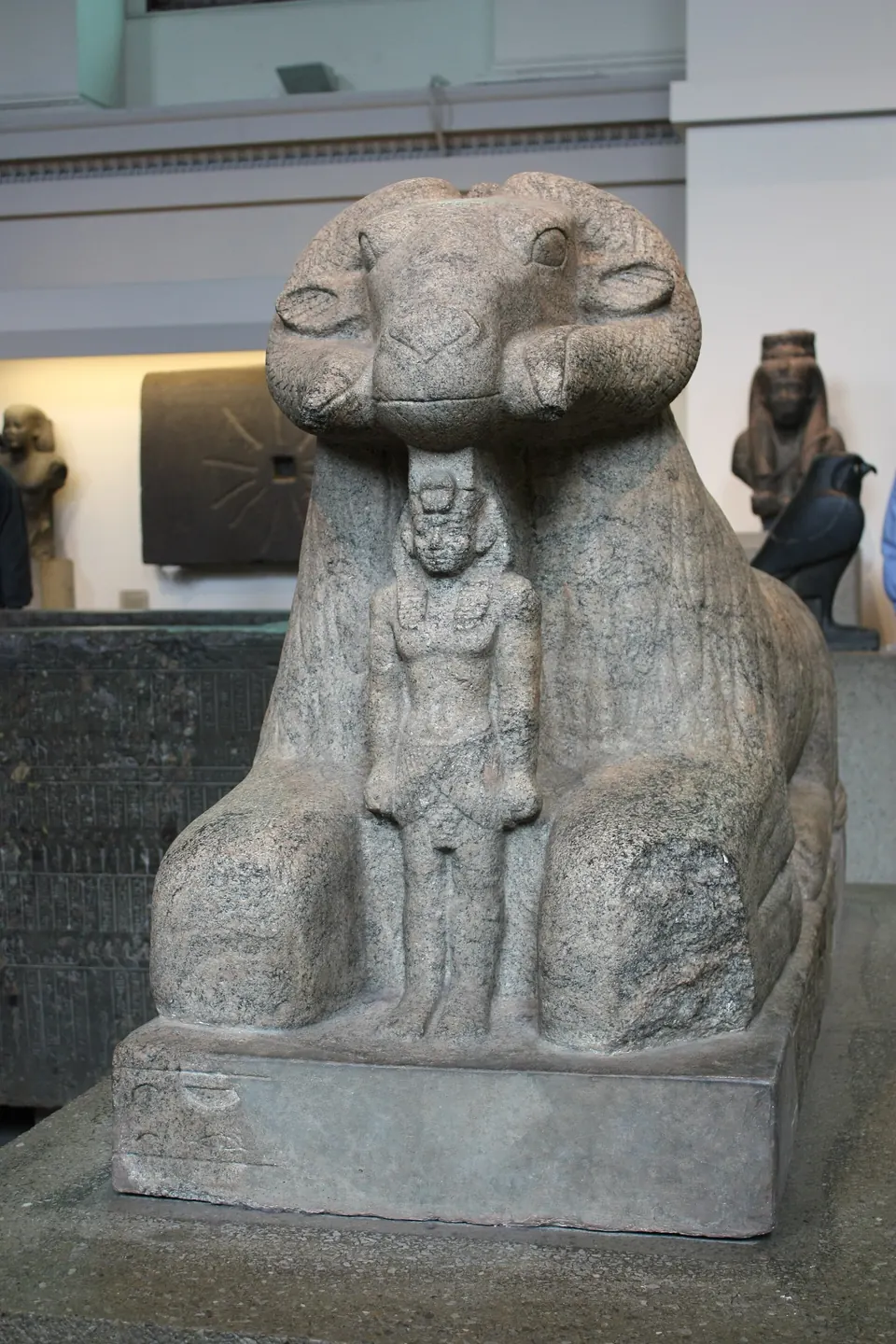
Photo: M0tty · CC BY-SA 3.0 · source

Photo: M0tty · CC BY-SA 3.0 · source

Hall V · 23 objects

Vessels & Treasures

Kerma potters made some of the finest ceramics of the ancient world; Meroitic artists painted jars with frogs, crocodiles and vines; goldsmiths made jewellery for kandakes; and seven statues of Kushite kings lay hidden in a pit at Dukki Gel for 2,600 years.

KU-V.01

A God’s Wife of Amun under Taharqa

25th Dynasty (c. 712–664 BC)Diorite (upper half; the face is a modern restoration)Found: South Karnak, ThebesChau Chak Wing Museum (Nicholson collection), University of Sydney — in storageInv. NMR.41

The upper half of a statue of a royal woman in a vulture headdress crowned with a ring of cobras. Its back pillar names Pharaoh Taharqa in a cartouche.

What it shows

She is identified as either Shepenwepet II (daughter of Piye) or Amenirdis II (daughter of Taharqa); the identity is uncertain. The arms are mostly lost, and the face is a modern restoration, not ancient.

Why it matters

Kushite kings placed their daughters in the powerful office of God’s Wife of Amun at Thebes, linking Kush to Egypt’s great temple of Amun.

Connects to the book

Sources & dating

Dates are approximate and follow the sources below. Evidence status: NOTED

3D scan of the real object: “A statue of Shepenwepet II or Amenirdis II” by Daniel Pett (danielpett) (Sketchfab) · CC BY 4.0 · Sketchfab page

3D scan of the real object: “A statue of Shepenwepet II or Amenirdis II” by Daniel Pett (danielpett) (Sketchfab) · CC BY 4.0 · Sketchfab page

KU-V.02

Classic Kerma beaker

c. 1802–1640 BC (dated by the Met)Pottery (black-topped red ware)Found: Found at Abydos, Egypt (tomb 525, Garstang excavations 1908)The Metropolitan Museum of Art, New YorkInv. 20.2.45

A tulip-shaped beaker, the signature pottery of Classic Kerma.

What it shows

Walls only a few millimetres thick, a polished red body and a black rim with a silvery band between them.

Why it matters

Kerma beakers are among the finest hand-made ceramics of the ancient world, and finds like this one at Abydos show Kerma pottery travelling into Egypt.

Connects to the book

Sources & dating

Dates are approximate and follow the sources below. Evidence status: CONFIRMED
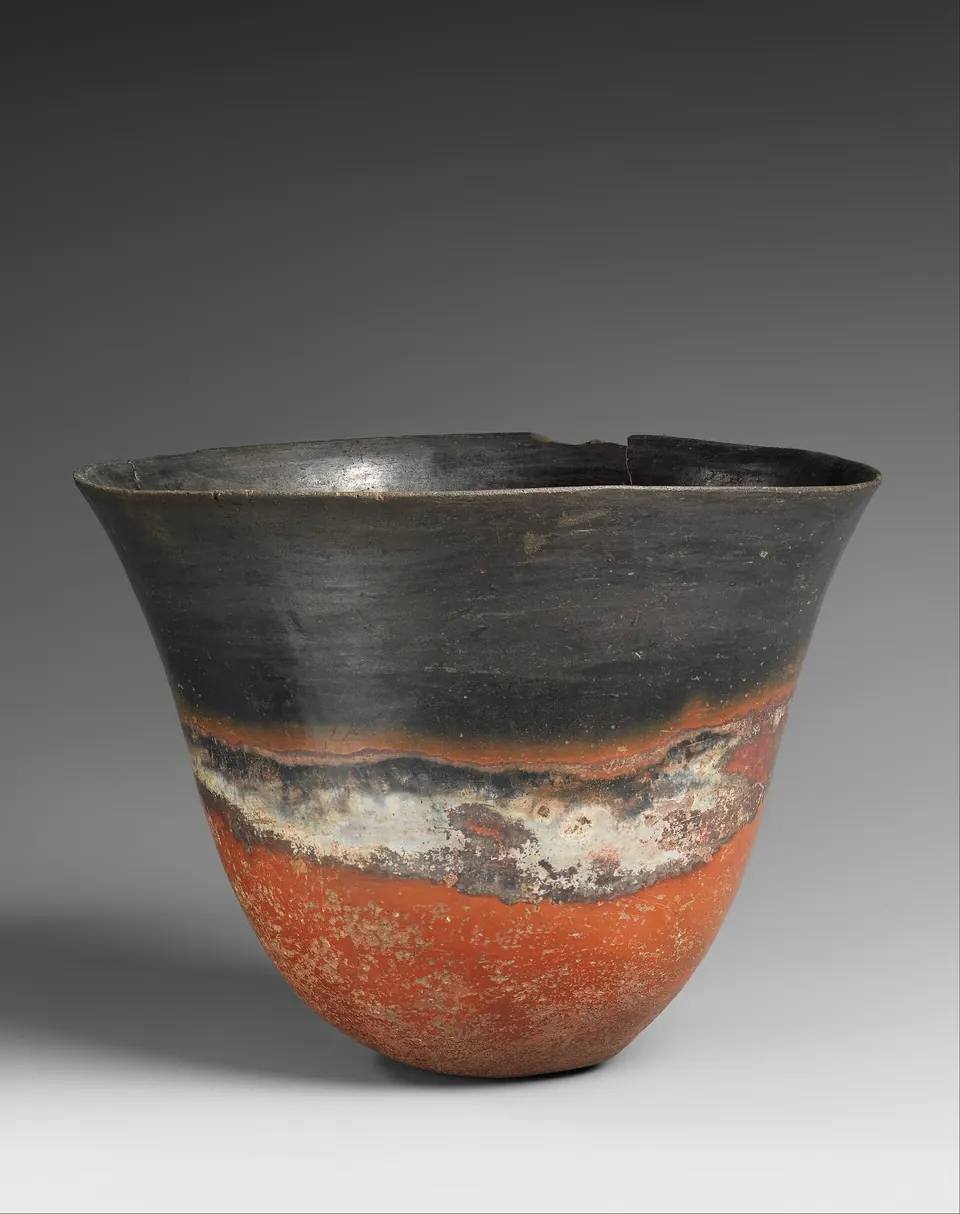
Photo: Unknown author · CC0 · source

Photo: Unknown author · CC0 · source

KU-V.03

The jewellery of Kandake Amanishakheto

Early 1st century ADGold, enamel, glass and semi-precious stonesFound: Pyramid Beg. N 6, Meroë (found by Ferlini, 1834)Egyptian Museum of Berlin and State Museum of Egyptian Art, Munich

Gold armlets, shield rings, necklaces and seal rings from the burial of Amanishakheto.

What it shows

Images of Amun as a ram, winged goddesses and cobras in gold with coloured inlays.

Why it matters

Ferlini destroyed much of the pyramid to get them, and their origin was at first doubted; Lepsius confirmed it.

Connects to the book

Sources & dating

Dates are approximate and follow the sources below. Evidence status: CONFIRMED
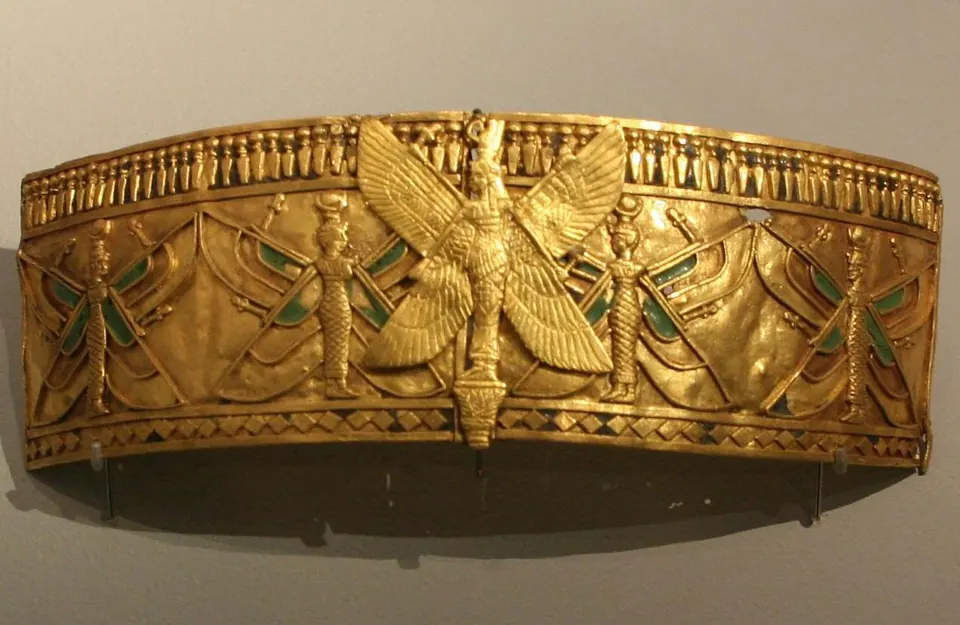
Photo: Unknown author · CC BY-SA 3.0 · source

Photo: José Luiz · CC BY-SA 4.0 · source

Photo: Unknown author · CC BY-SA 3.0 · source

KU-V.04

Meroitic painted pottery

c. 50 BC – AD 300Painted ceramicFound: Ballana and Qustul cemeteries, Lower NubiaInstitute for the Study of Ancient Cultures (Oriental Institute), Chicago

Fine painted jars of the Meroitic period, found in cemeteries in Lower Nubia.

What it shows

Processions of crocodiles, frogs, cobras with ankhs and grape vines.

Why it matters

Meroitic painted ware is a distinct Kushite art, unlike Egyptian pottery of its time.

Connects to the book

Sources & dating

Dates are approximate and follow the sources below. Evidence status: CONFIRMED
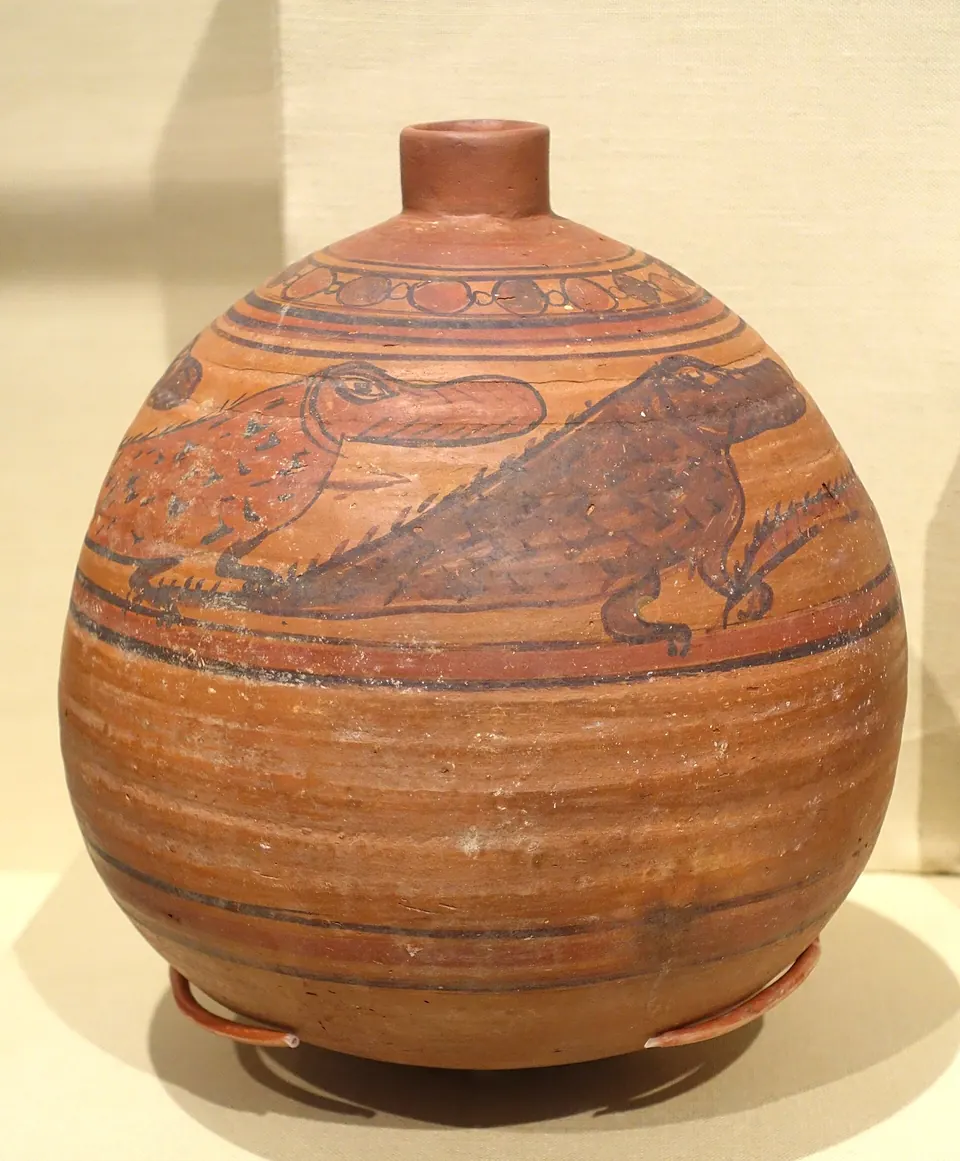
Photo: Daderot · CC0 · source

Photo: Daderot · CC0 · source

Photo: Daderot · CC0 · source

KU-V.05

Shabtis of Taharqa

690–664 BC (reign of Taharqa)Granite (a Nubian variety; the shabti shown)Found: Pyramid of Taharqa, NuriThe Metropolitan Museum of Art, New York (and other museums)Inv. Met 18.2.10 (shabti shown)

Funerary figures made for Taharqa’s burial — more than a thousand were found in his pyramid at Nuri.

What it shows

Each holds hoes and bags and carries the shabti spell with the king’s name.

Why it matters

They show a Kushite king buried with the full Egyptian funerary equipment of a pharaoh.

Connects to the book

Sources & dating

Dates are approximate and follow the sources below. Evidence status: CONFIRMED
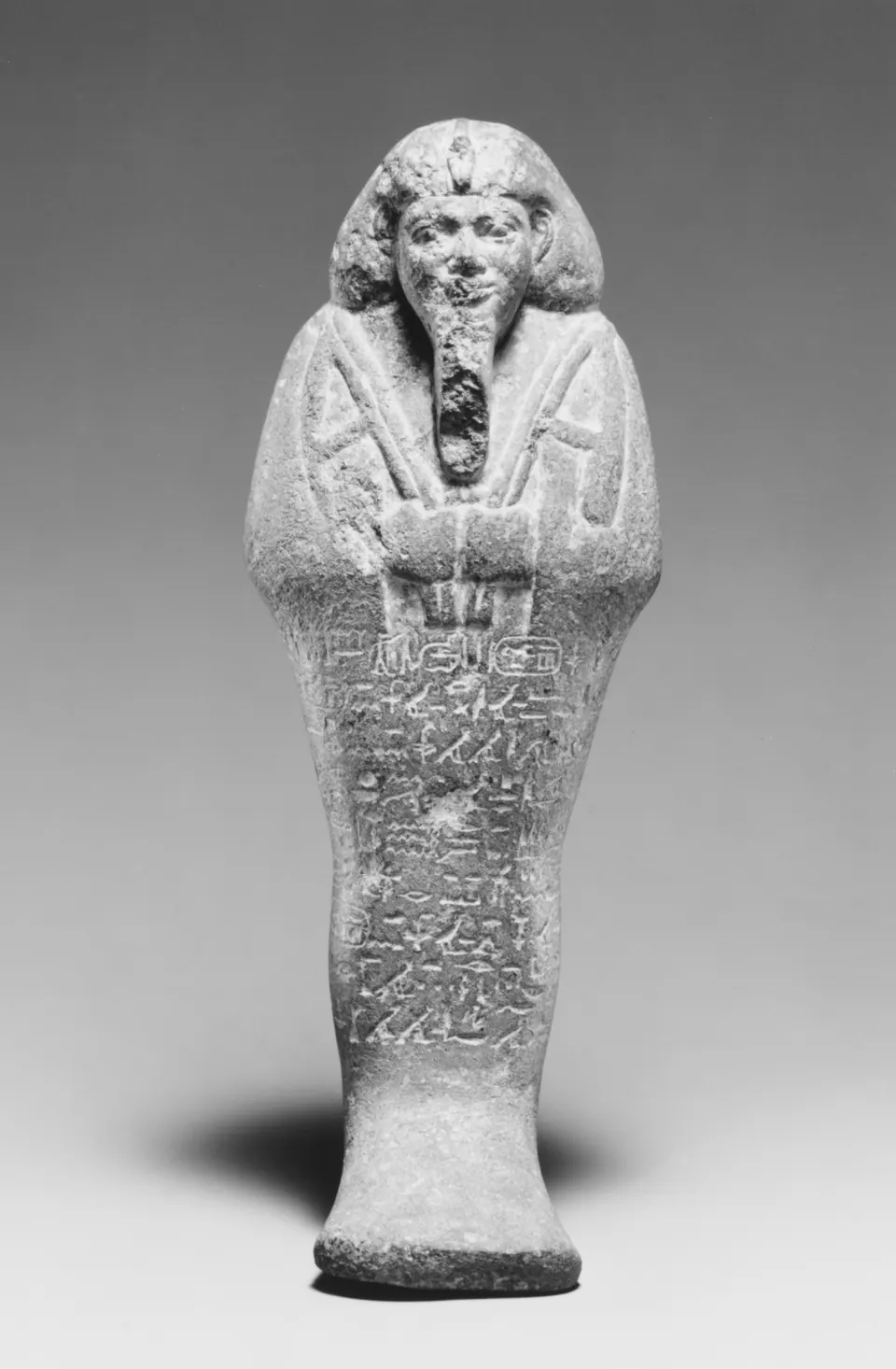
Photo: Unknown author · CC0 · source

Photo: Unknown author · CC0 · source

KU-V.06

The statues of Dukki Gel

Statues c. 690–580 BC; buried after 592 BC; found 2003Black graniteFound: Dukki Gel, near KermaKerma Museum, Sudan

Seven monumental statues of Kushite kings — Taharqa, Tantamani, Senkamanisken, Anlamani and Aspelta — found in a pit by Charles Bonnet’s Swiss mission in 2003.

What it shows

Smashed and carefully buried, probably after the Egyptian army of Psamtik II invaded Kush in 592 BC.

Why it matters

They are now the centrepiece of the Kerma Museum.

Connects to the book

Sources & dating

Dates are approximate and follow the sources below. Evidence status: CONFIRMED
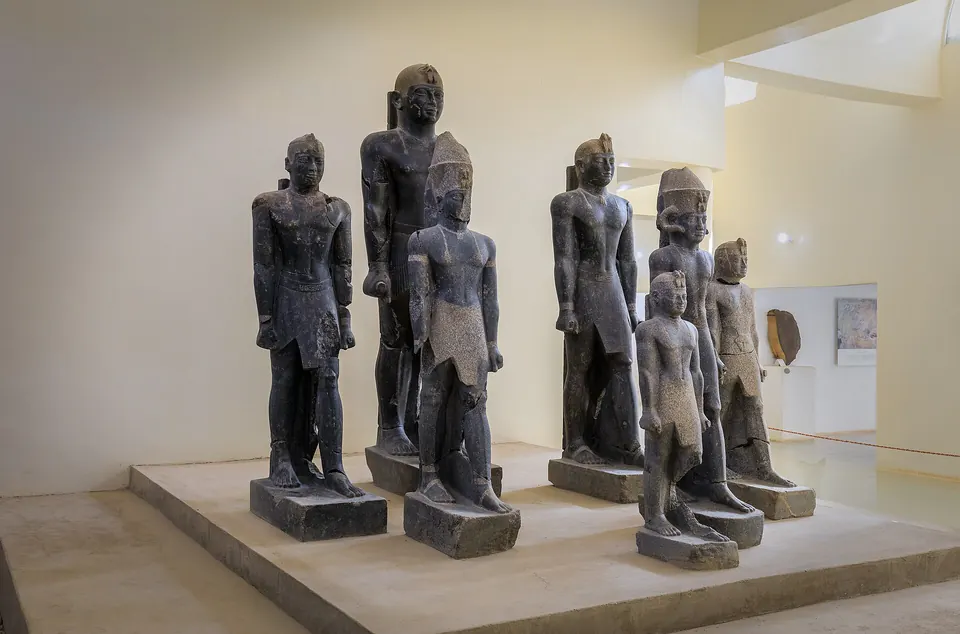
Photo: Matthias Gehricke · CC BY-SA 4.0 · source

Photo: Matthias Gehricke · CC BY-SA 4.0 · source

Photo: Matthias Gehricke · CC BY-SA 4.0 · source

KU-V.07

The Meroë Head of Augustus

Made c. 27–25 BC; taken in the Kushite raid of c. 25 BC; found 1910Bronze; eyes inlaid with glass and calciteFound: Meroë, beneath the steps of a shrine (identified as a shrine of Victory)British Museum, LondonInv. 1911,0901.1

The bronze head of a statue of the Roman emperor Augustus, excavated at Meroë by John Garstang in 1910.

What it shows

It had been torn from its statue and buried beneath the steps of a temple — the British Museum suggests deliberately, so that it lay forever beneath the feet of its Meroitic captors.

Why it matters

It is lasting evidence of Kush’s war with Rome under Kandake Amanirenas.

Connects to the book

Sources & dating

Dates are approximate and follow the sources below. Evidence status: CONFIRMED
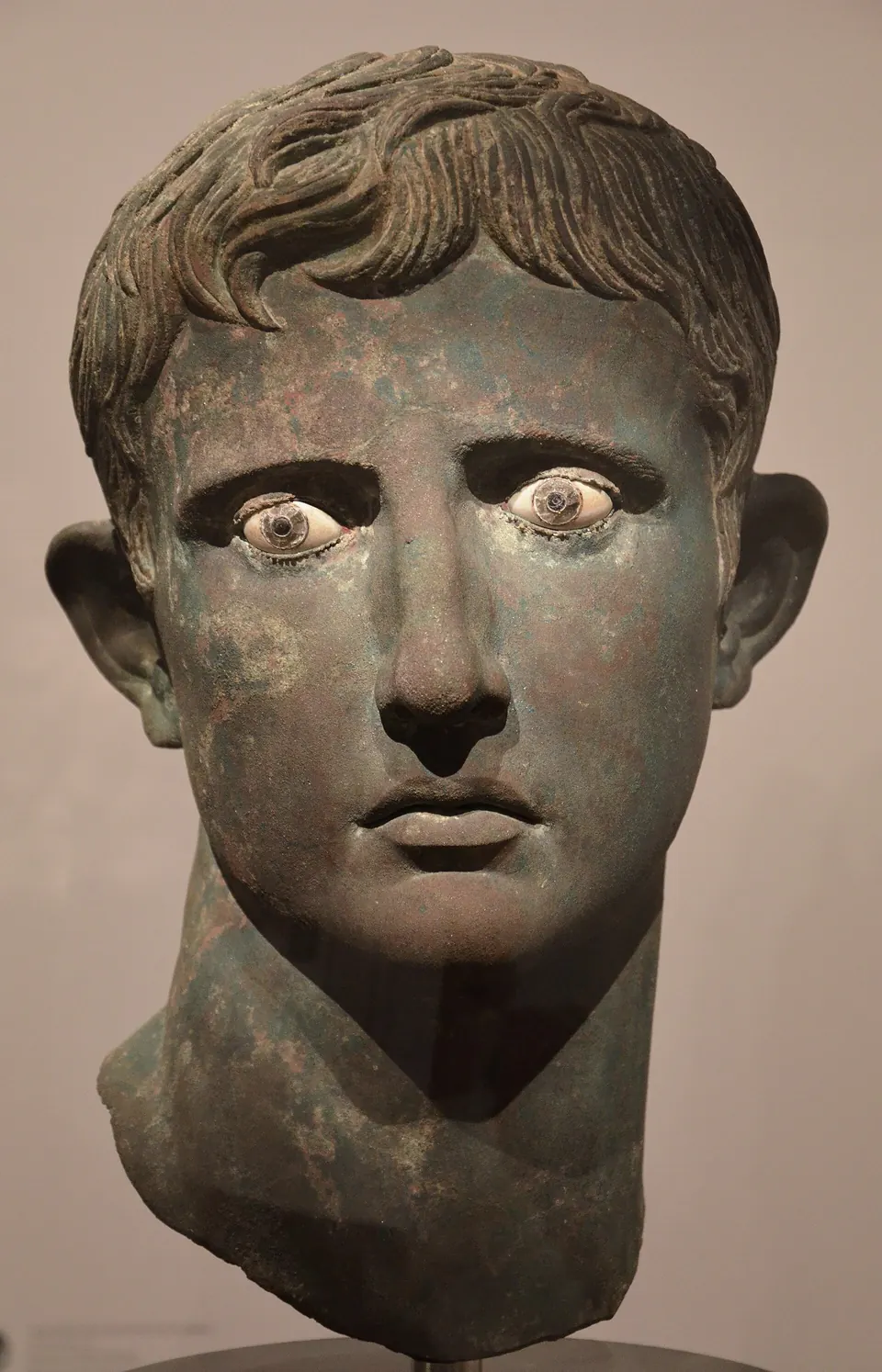
Photo: Carole Raddato · CC BY-SA 2.0 · source

Photo: Carole Raddato · CC BY-SA 2.0 · source

KU-V.08

Menat counterweight: Bastet nursing Taharqa

690–645 BC (dated by the Met)FaienceFound: Possibly from NubiaThe Metropolitan Museum of Art, New YorkInv. 41.160.104

The counterweight of a menat, a necklace shaken like a rattle in temple worship.

What it shows

Taharqa as a child, nursed by the lion-headed goddess Bastet.

Why it matters

Images like this present the king as the child of the gods — a theme the Kushite pharaohs used to claim their right to rule.

Connects to the book

Sources & dating

Dates are approximate and follow the sources below. Evidence status: CONFIRMED
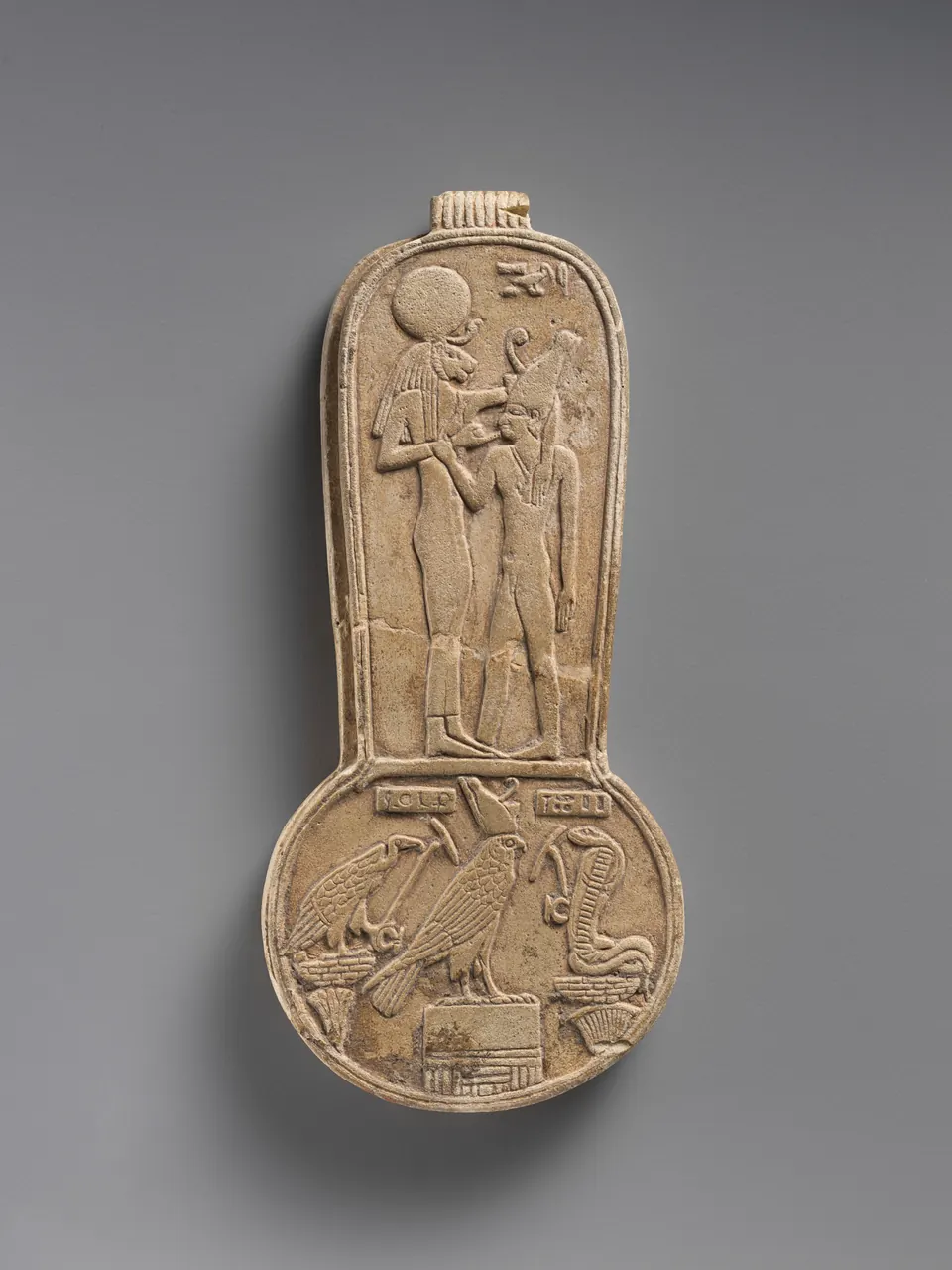
Photo: The Metropolitan Museum of Art · CC0 (The Met Open Access) · source

Photo: Unknown author · CC0 · source

Photo: The Metropolitan Museum of Art · CC0 (The Met Open Access) · source

KU-V.09

Kushite official, later modified for a king

25th Dynasty, c. 721–664 BCLeaded bronze, gold leafFound: EgyptThe Metropolitan Museum of Art, New YorkInv. 2010.259

A leaded-bronze figure of a Kushite official in a leopard-skin garment, later altered into an image of a king.

What it shows

Kushite facial features and costume in Egyptian bronze-casting style.

Why it matters

It shows the blending of Kushite and Egyptian identity under the 25th Dynasty.

Connects to the book

Sources & dating

Dates are approximate and follow the sources below. Evidence status: CONFIRMED
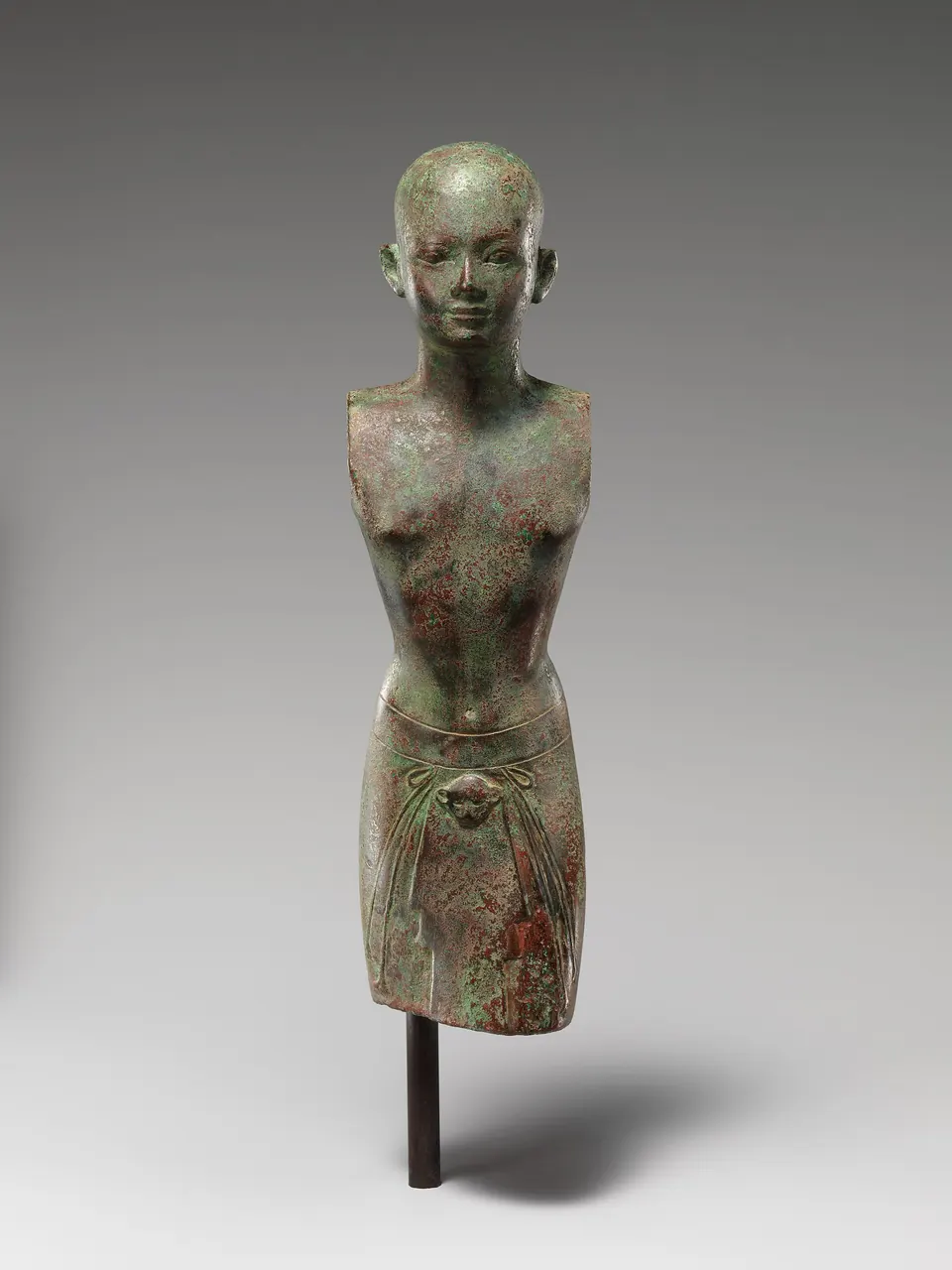
Photo: Unknown author · CC0 · source

Photo: Unknown author · CC0 · source

KU-V.10

Ptah

ca. 721–650 or somewhat laterBronze or copper alloyFound: EgyptThe Metropolitan Museum of Art, New YorkInv. Met 45.4.1

Ptah: bronze or copper alloy, dated ca. 721–650 or somewhat later in the museum’s record.

What it shows

The Met catalogues it as Third Intermediate Period–Late Period, Dynasty 25–early 26; place in the record: Egypt. Size: H. 12.8 × W. 4.1 × D. 12.8 cm (5 1/16 × 1 5/8 × 5 1/16 in.). Gift of David Dows, 1945.

Why it matters

A figure of Ptah, the god of Memphis, dated by the Met to the Kushite 25th Dynasty or just after.

Connects to the book

Sources & dating

Dates are approximate and follow the sources below. Evidence status: CONFIRMED
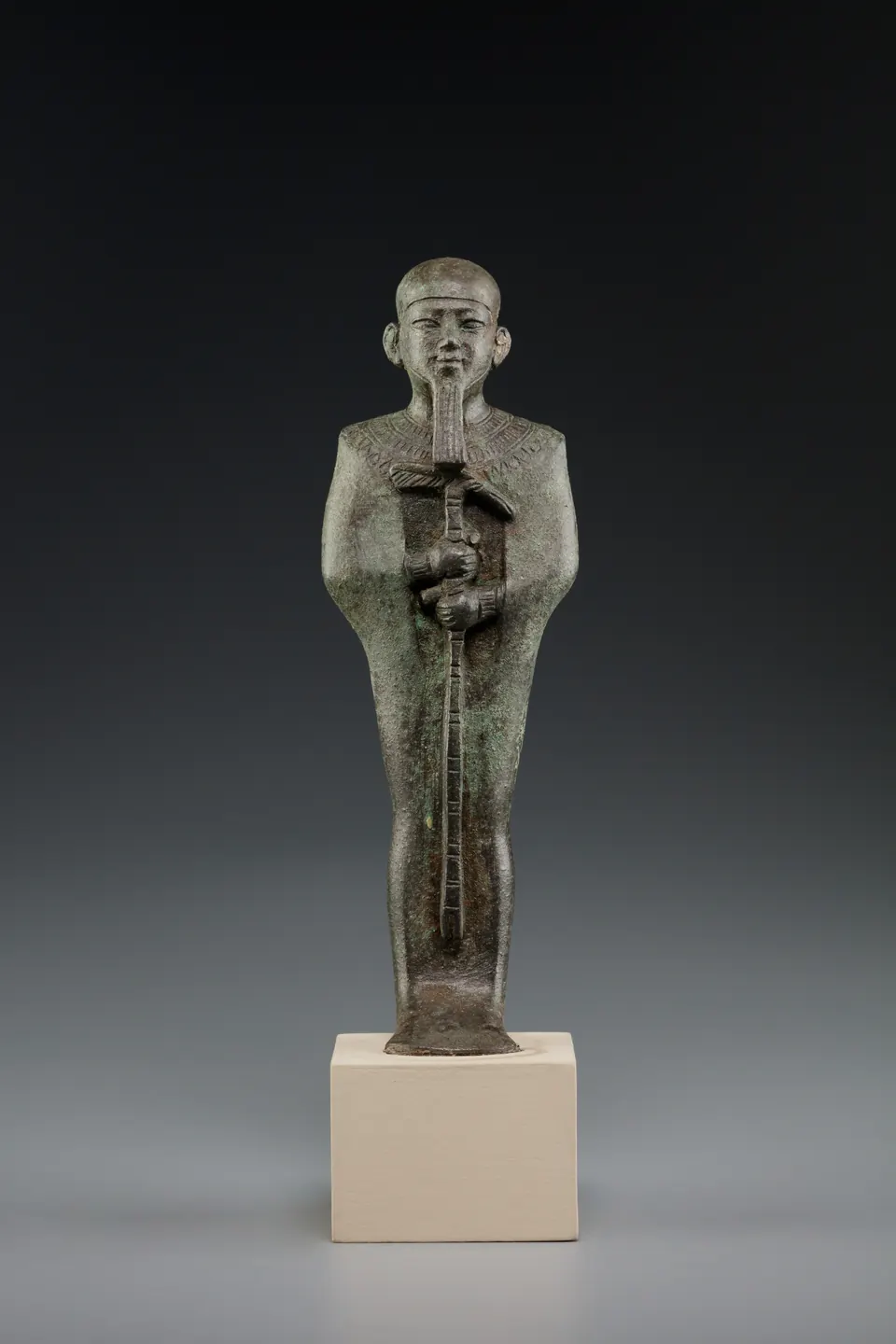
Photo: The Metropolitan Museum of Art · CC0 (The Met Open Access) · source

Photo: The Metropolitan Museum of Art · CC0 (The Met Open Access) · source

KU-V.11

Ram's-head Amulet

ca. 721–664 BCEGoldFound: possibly NubiaThe Metropolitan Museum of Art, New YorkInv. Met 1989.281.98

Ram's-head Amulet: gold, dated ca. 721–664 BCE in the museum’s record.

What it shows

The Met catalogues it as Third Intermediate Period, Kushite Period, Dynasty 25; place in the record: possibly Nubia. Size: H. 4.2 × W. 3.6 × D. 2 cm, 65g (1 5/8 × 1 7/16 × 13/16 in., 2.293oz.). Gift of Norbert Schimmel Trust, 1989.

Why it matters

The ram was the sacred animal of Amun, the god most honoured by the kings of Kush at Jebel Barkal and Kawa.

Connects to the book

Sources & dating

Dates are approximate and follow the sources below. Evidence status: CONFIRMED
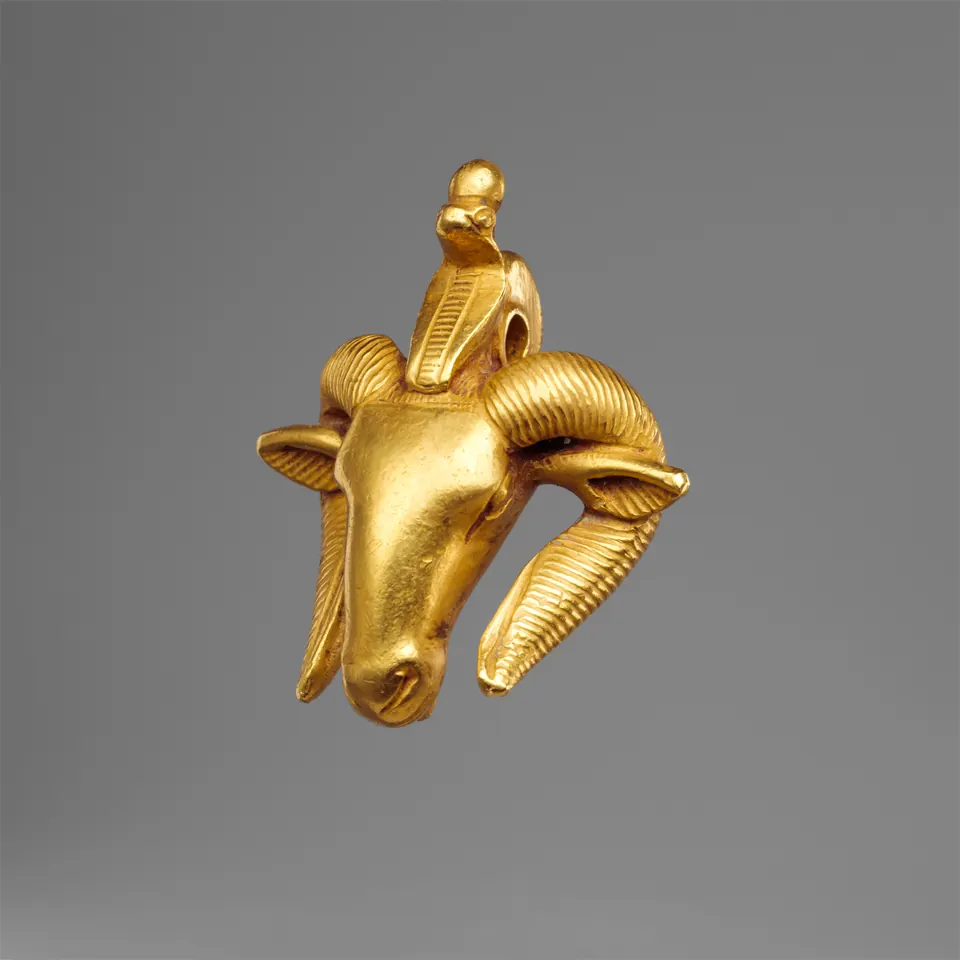
Photo: The Metropolitan Museum of Art · CC0 (The Met Open Access) · source

Photo: The Metropolitan Museum of Art · CC0 (The Met Open Access) · source

KU-V.12

Scarab

750–300 BCSteatiteFound: Napata, Upper Nubia, Nubia (Sudan) (Oxford Expedition to Nubia excavations, Cemetery 1, Grave 579)The Metropolitan Museum of Art, New YorkInv. Met 26.4.31

Scarab: steatite, dated 750–300 BC in the museum’s record.

What it shows

The Met catalogues it as Napatan Period; place in the record: Napata, Upper Nubia, Nubia (Sudan) (Oxford Expedition to Nubia excavations, Cemetery 1, Grave 579). Size: L. 3 × W. 2.2 × H. 1.3 cm (1 3/16 × 7/8 × 1/2 in.). Gift of Oxford University Expedition to Nubia, 1926.

Why it matters

Excavated in Nubia by the Oxford expedition: scarabs travelled with the Egyptian-style religion that Kush made its own.

Connects to the book

Sources & dating

Dates are approximate and follow the sources below. Evidence status: CONFIRMED
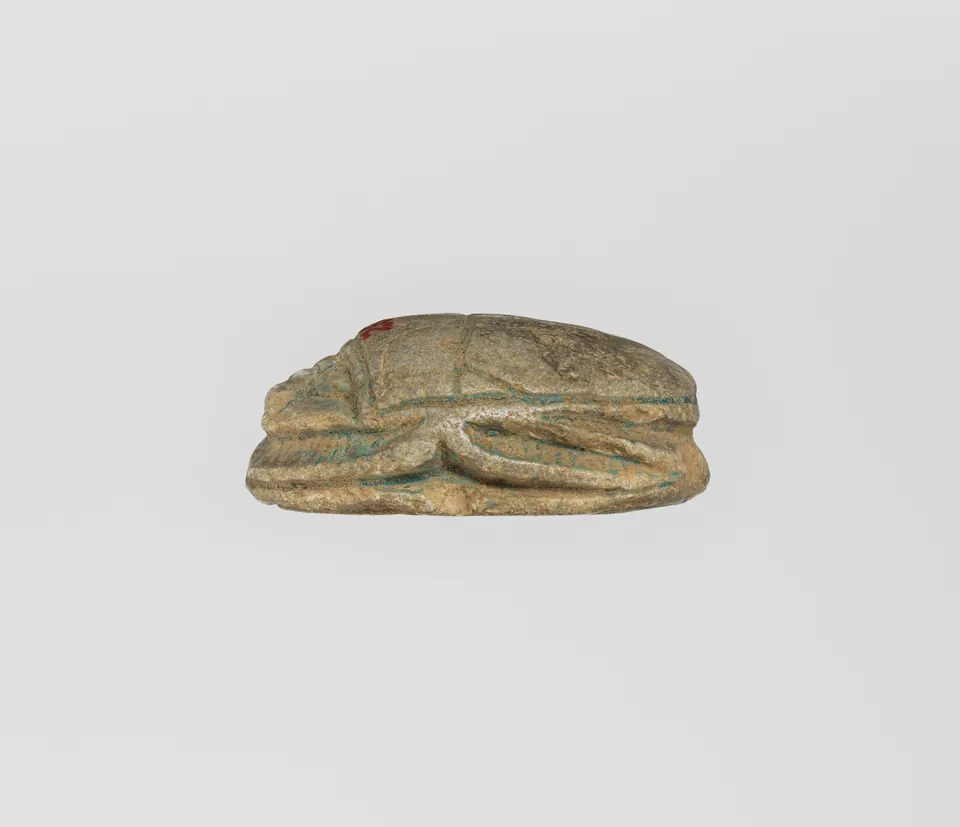
Photo: The Metropolitan Museum of Art · CC0 (The Met Open Access) · source

Photo: The Metropolitan Museum of Art · CC0 (The Met Open Access) · source

KU-V.13

Seal plaque

750–300 BCFaienceFound: Napata, Upper Nubia, Nubia (Sudan) (Oxford Expedition to Nubia excavations, Cemetery 1, Grave 29)The Metropolitan Museum of Art, New YorkInv. Met 26.4.42

Seal plaque: faience, dated 750–300 BC in the museum’s record.

What it shows

The Met catalogues it as Napatan Period; place in the record: Napata, Upper Nubia, Nubia (Sudan) (Oxford Expedition to Nubia excavations, Cemetery 1, Grave 29). Size: H. 2.5 × W. 1.8 cm (1 × 11/16 in.). Gift of Oxford University Expedition to Nubia, 1926.

Why it matters

A seal plaque from Napatan-period Nubia, excavated by the Oxford expedition.

Connects to the book

Sources & dating

Dates are approximate and follow the sources below. Evidence status: CONFIRMED
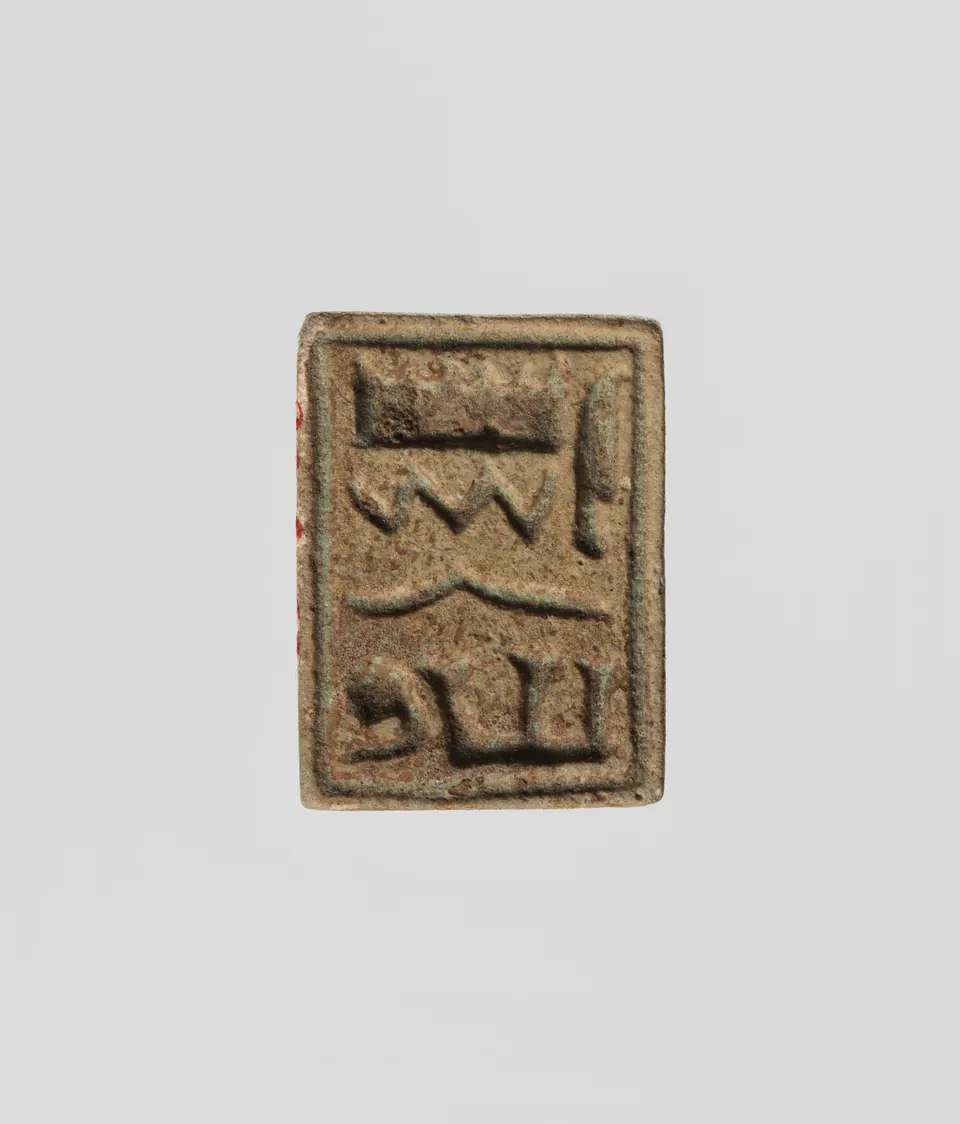
Photo: The Metropolitan Museum of Art · CC0 (The Met Open Access) · source

Photo: The Metropolitan Museum of Art · CC0 (The Met Open Access) · source

KU-V.14

Wedjat eye amulet

750–300 BCFaienceFound: Napata, Upper Nubia, Nubia (Sudan) (Oxford Expedition to Nubia excavations, Cemetery 1, Grave 350)The Metropolitan Museum of Art, New YorkInv. Met 26.4.30

Wedjat eye amulet: faience, dated 750–300 BC in the museum’s record.

What it shows

The Met catalogues it as Napatan Period; place in the record: Napata, Upper Nubia, Nubia (Sudan) (Oxford Expedition to Nubia excavations, Cemetery 1, Grave 350). Size: L. 3.2 cm (1 1/4 in.). Gift of Oxford University Expedition to Nubia, 1926.

Why it matters

The wedjat eye, a protective sign shared by Egypt and Kush, from a Napatan-period context in Nubia.

Connects to the book

Sources & dating

Dates are approximate and follow the sources below. Evidence status: CONFIRMED
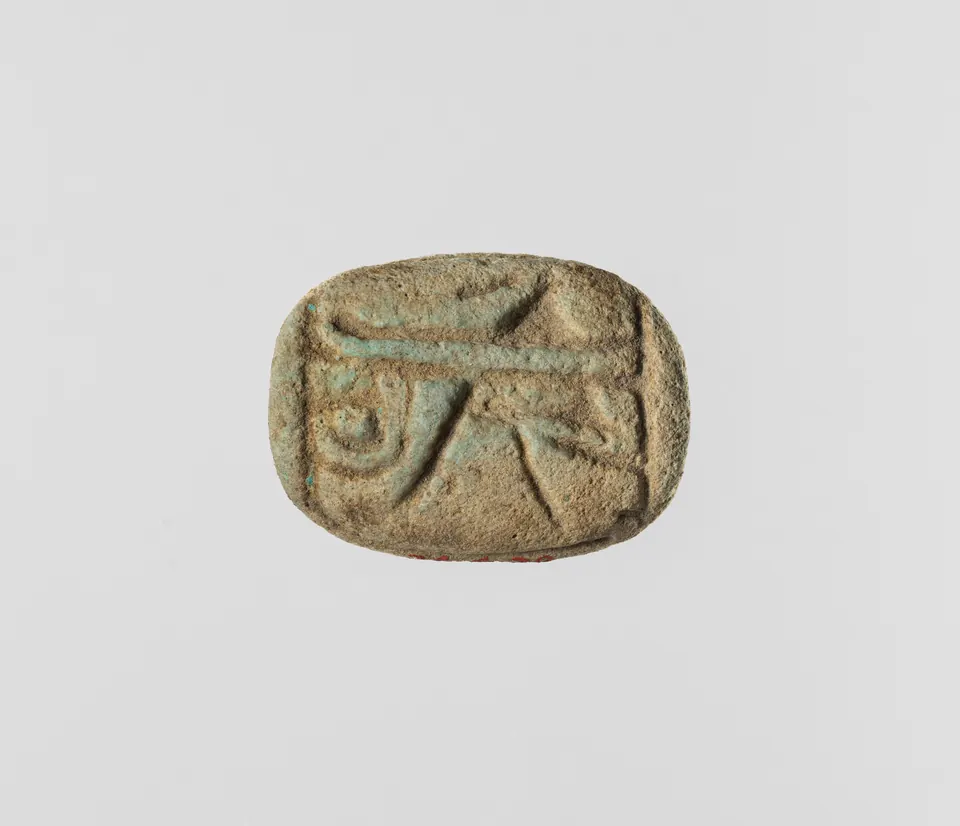
Photo: The Metropolitan Museum of Art · CC0 (The Met Open Access) · source

Photo: The Metropolitan Museum of Art · CC0 (The Met Open Access) · source

KU-V.15

Spherical jar with four rows of painted decoration

100 B.C.–A.D. 300Pottery, paintFound: Nubia, Egypt and SudanThe Metropolitan Museum of Art, New YorkInv. Met 08.202.47

Spherical jar with four rows of painted decoration: pottery, paint, dated 100 B.C.–A.D. 300 in the museum’s record.

What it shows

The Met catalogues it as Meroitic Period; place in the record: Nubia, Egypt and Sudan. Size: H. 16.5 cm (6 1/2 in.). Rogers Fund, 1908.

Why it matters

Meroitic potters decorated fine jars like this with painted bands; such wares are a hallmark of the kingdom of Meroë.

Connects to the book

Sources & dating

Dates are approximate and follow the sources below. Evidence status: CONFIRMED
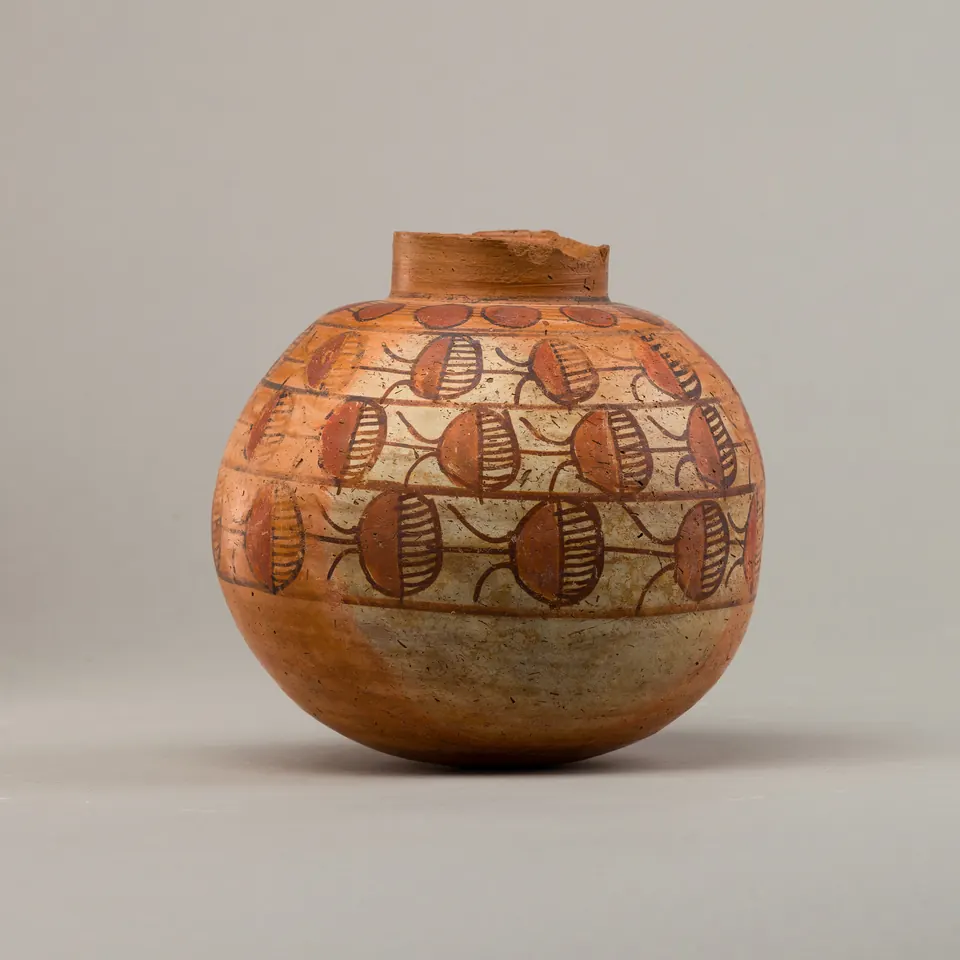
Photo: The Metropolitan Museum of Art · CC0 (The Met Open Access) · source

Photo: The Metropolitan Museum of Art · CC0 (The Met Open Access) · source

KU-V.16

Cup with geometric decoration

1st–3rd centuryPottery, paintFound: Faras, Lower Nubia, Nubia (Sudan) (University of Oxford Excavations in Nubia 1911–1912, Cemetery 1, Grave 1007)The Metropolitan Museum of Art, New YorkInv. Met 13.125.37

Cup with geometric decoration: pottery, paint, dated 1st–3rd century in the museum’s record.

What it shows

The Met catalogues it as Meroitic Period; place in the record: Faras, Lower Nubia, Nubia (Sudan) (University of Oxford Excavations in Nubia 1911–1912, Cemetery 1, Grave 1007). Size: H. 7.5 × Dia. 7.4 cm (2 15/16 × 2 15/16 in.). Rogers Fund, 1913.

Why it matters

Thin-walled painted cups are among the most recognisable Meroitic ceramics. Excavated by Oxford in Nubia.

Connects to the book

Sources & dating

Dates are approximate and follow the sources below. Evidence status: CONFIRMED
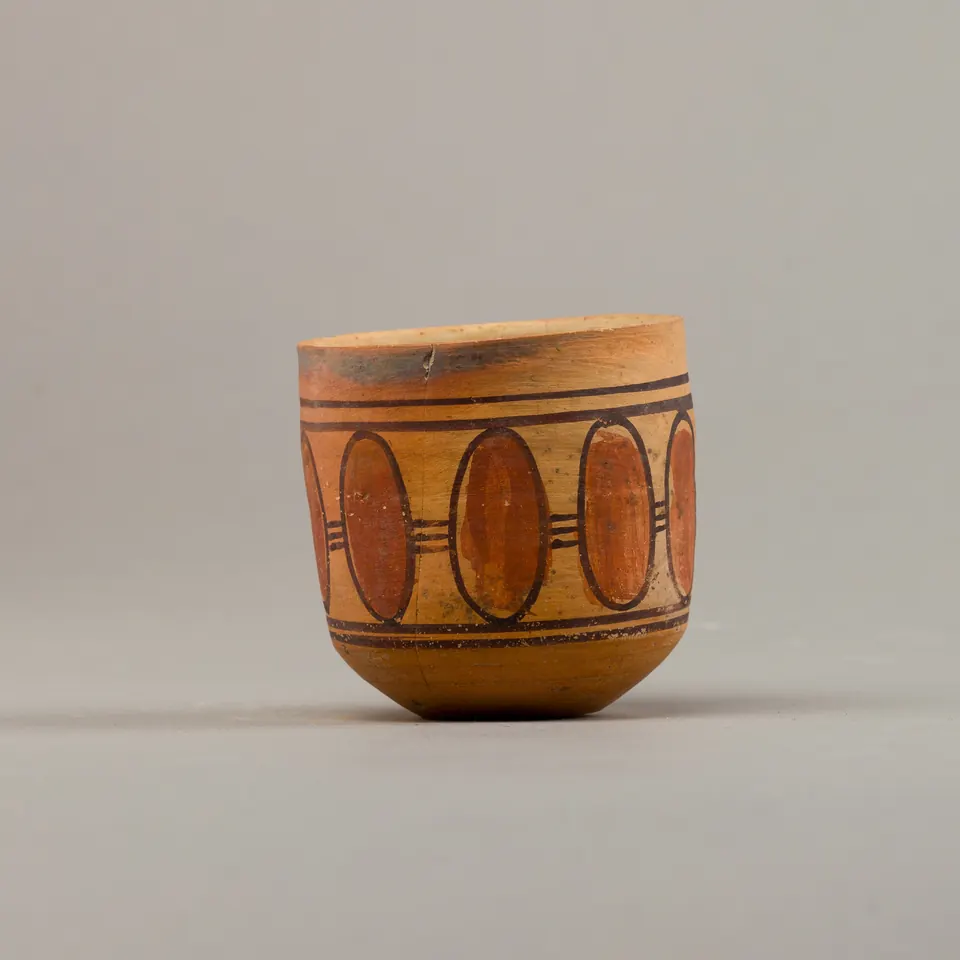
Photo: The Metropolitan Museum of Art · CC0 (The Met Open Access) · source

Photo: The Metropolitan Museum of Art · CC0 (The Met Open Access) · source

KU-V.17

Bowl with floral and geometric designs

1st–3rd centuryPottery, paintFound: Faras, Lower Nubia, Nubia (Sudan) (University of Oxford Excavations in Nubia 1911–1912, Cemetery 1, Grave 858)The Metropolitan Museum of Art, New YorkInv. Met 13.125.35

Bowl with floral and geometric designs: pottery, paint, dated 1st–3rd century in the museum’s record.

What it shows

The Met catalogues it as Meroitic Period; place in the record: Faras, Lower Nubia, Nubia (Sudan) (University of Oxford Excavations in Nubia 1911–1912, Cemetery 1, Grave 858). Size: h. 6.7 cm (2 5/6 in); diam. 10.8 cm (4 1/4 in). Rogers Fund, 1913.

Why it matters

A painted Meroitic bowl with floral and geometric designs, excavated by Oxford in Nubia.

Connects to the book

Sources & dating

Dates are approximate and follow the sources below. Evidence status: CONFIRMED
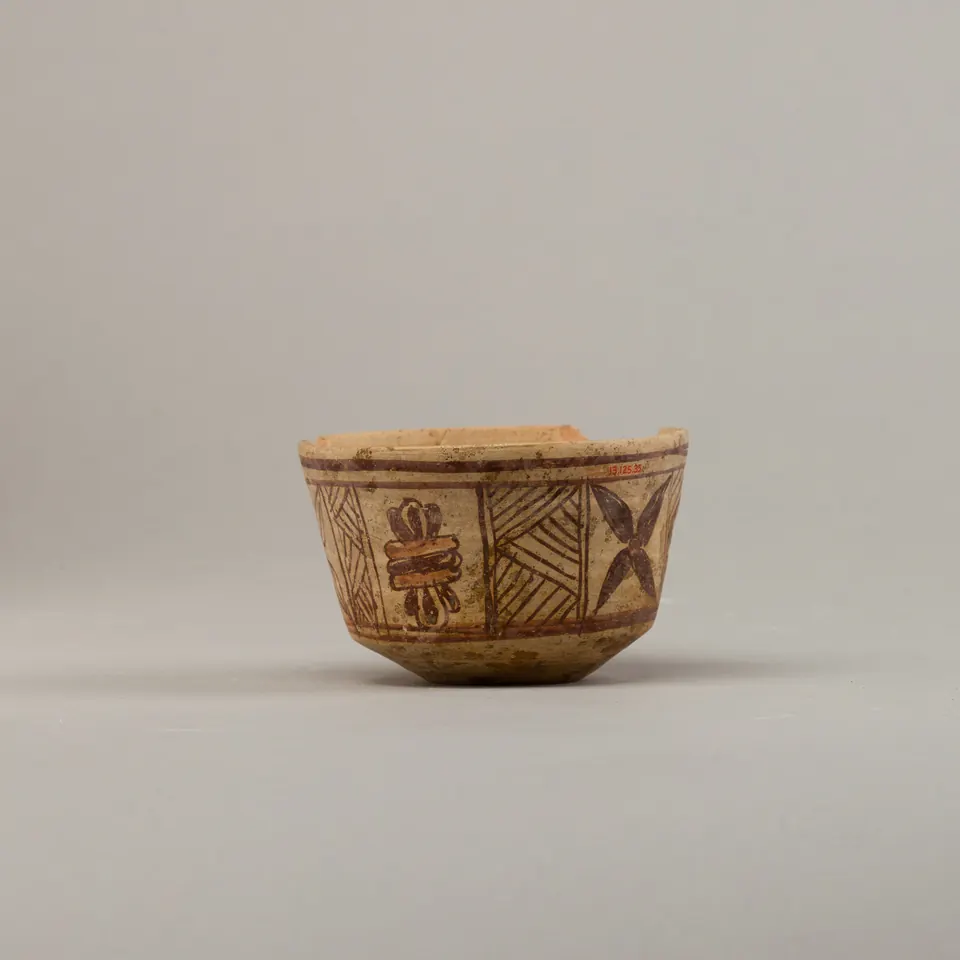
Photo: The Metropolitan Museum of Art · CC0 (The Met Open Access) · source

Photo: The Metropolitan Museum of Art · CC0 (The Met Open Access) · source

KU-V.18

Jug with painted decoration

30 B.C.– A.D. 364Pottery, paintFound: Faras, Lower Nubia, Nubia (Sudan) (University of Oxford Excavations in Nubia 1911–1912, Cemetery 1, Grave 1007)The Metropolitan Museum of Art, New YorkInv. Met 13.125.43

Jug with painted decoration: pottery, paint, dated 30 B.C.– A.D. 364 in the museum’s record.

What it shows

The Met catalogues it as Meroitic Period; place in the record: Faras, Lower Nubia, Nubia (Sudan) (University of Oxford Excavations in Nubia 1911–1912, Cemetery 1, Grave 1007). Size: H. 24.8 × Dia. 19.3 cm (9 3/4 × 7 5/8 in.). Rogers Fund, 1913.

Why it matters

A painted Meroitic jug from the Oxford excavations in Nubia.

Connects to the book

Sources & dating

Dates are approximate and follow the sources below. Evidence status: CONFIRMED
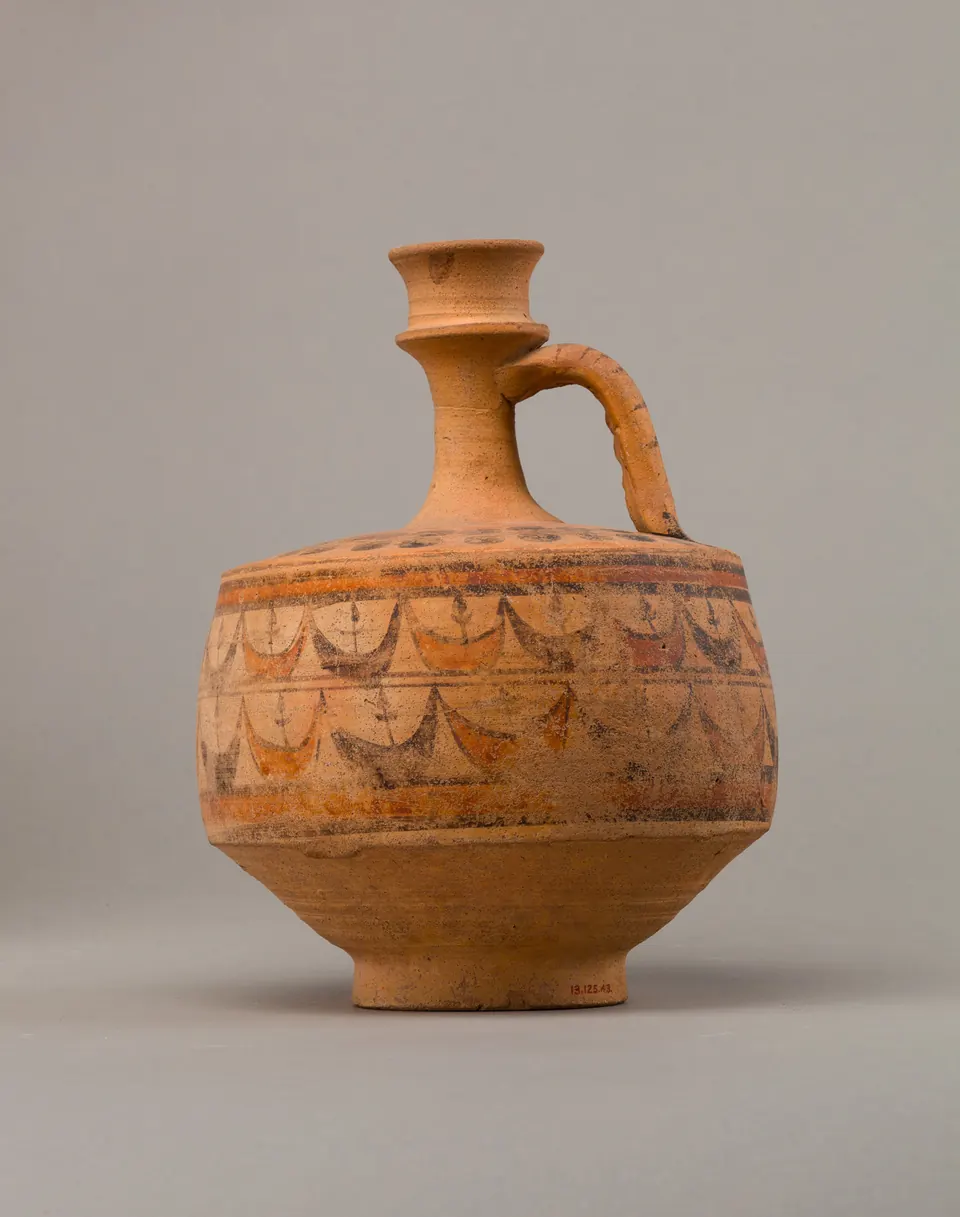
Photo: The Metropolitan Museum of Art · CC0 (The Met Open Access) · source

Photo: The Metropolitan Museum of Art · CC0 (The Met Open Access) · source

KU-V.19

Anklet

A.D. 100–250cupreous alloyFound: Faras, Lower Nubia, Nubia (Sudan) (University of Oxford Excavations in Nubia 1910–1912, Cemetery 1, Grave 186)The Metropolitan Museum of Art, New YorkInv. Met 26.4.110a

Anklet: cupreous alloy, dated A.D. 100–250 in the museum’s record.

What it shows

The Met catalogues it as Meroitic Period; place in the record: Faras, Lower Nubia, Nubia (Sudan) (University of Oxford Excavations in Nubia 1910–1912, Cemetery 1, Grave 186). Size: Diam. 11.3 × H. 4.2 cm (4 7/16 × 1 5/8 in.). Gift of Oxford University Expedition to Nubia, 1926.

Why it matters

Personal ornament from Meroitic Nubia, excavated by Oxford.

Connects to the book

Sources & dating

Dates are approximate and follow the sources below. Evidence status: CONFIRMED
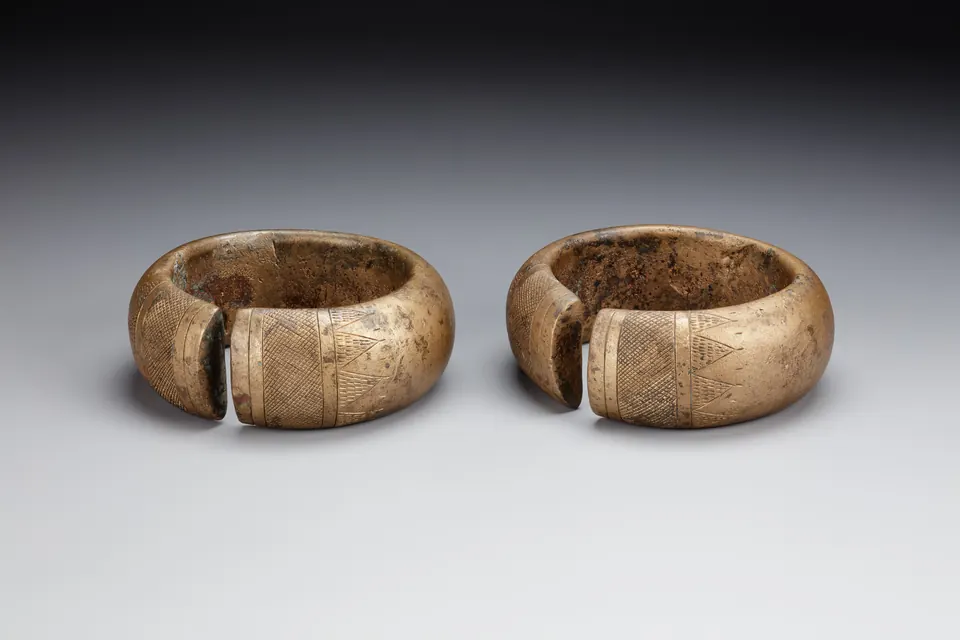
Photo: The Metropolitan Museum of Art · CC0 (The Met Open Access) · source

Photo: The Metropolitan Museum of Art · CC0 (The Met Open Access) · source

KU-V.20

Archer's ring

300 B.C.–A.D. 350TonaliteFound: Faras, Lower Nubia, Nubia (Sudan) (University of Oxford Excavations in Nubia, 1910–12, Cemetery 1, Grave 54)The Metropolitan Museum of Art, New YorkInv. Met 26.4.127

Archer's ring: tonalite, dated 300 B.C.–A.D. 350 in the museum’s record.

What it shows

The Met catalogues it as Meroitic Period; place in the record: Faras, Lower Nubia, Nubia (Sudan) (University of Oxford Excavations in Nubia, 1910–12, Cemetery 1, Grave 54). Size: H. 3.1 cm (1 1/4 in.); Top: Outer diam. 4.7 × inner diam. 2.3 × th. 1.2 cm (1 7/8 × 7/8 × 1/2 in.); Bottom: Outer diam. 4.2 × inner diam. 2.2 × th. 1 cm (1 5/8 × 7/8 × 3/8 in.). Gift of Oxford University Expedition to Nubia, 1926.

Why it matters

Archer’s rings recall the fame of Kush as the “land of the bow”. Excavated by Oxford in Nubia.

Connects to the book

Sources & dating

Dates are approximate and follow the sources below. Evidence status: CONFIRMED
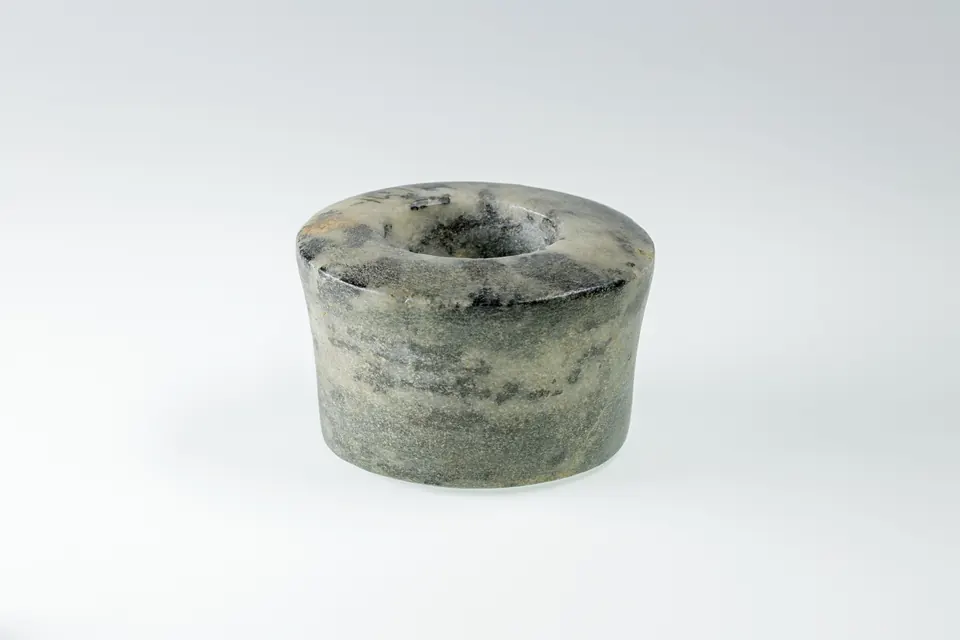
Photo: The Metropolitan Museum of Art · CC0 (The Met Open Access) · source

Photo: The Metropolitan Museum of Art · CC0 (The Met Open Access) · source

KU-V.21

Head, probably from a composite statuette

ca. 532 B.C.–339 A.D.SerpentineFound: Egypt and SudanThe Metropolitan Museum of Art, New YorkInv. Met 2021.41.48

Head, probably from a composite statuette: serpentine, dated ca. 532 B.C.–339 A.D. in the museum’s record.

What it shows

The Met catalogues it as Meroitic; place in the record: Egypt and Sudan. Size: H. 2.6 × W. 0.7 × D. 2.1 cm (1 × 1/4 × 13/16 in.). Bequest of Nanette B. Kelekian, 2020.

Why it matters

A small sculpted head catalogued by the Met as Meroitic.

Connects to the book

Sources & dating

Dates are approximate and follow the sources below. Evidence status: CONFIRMED
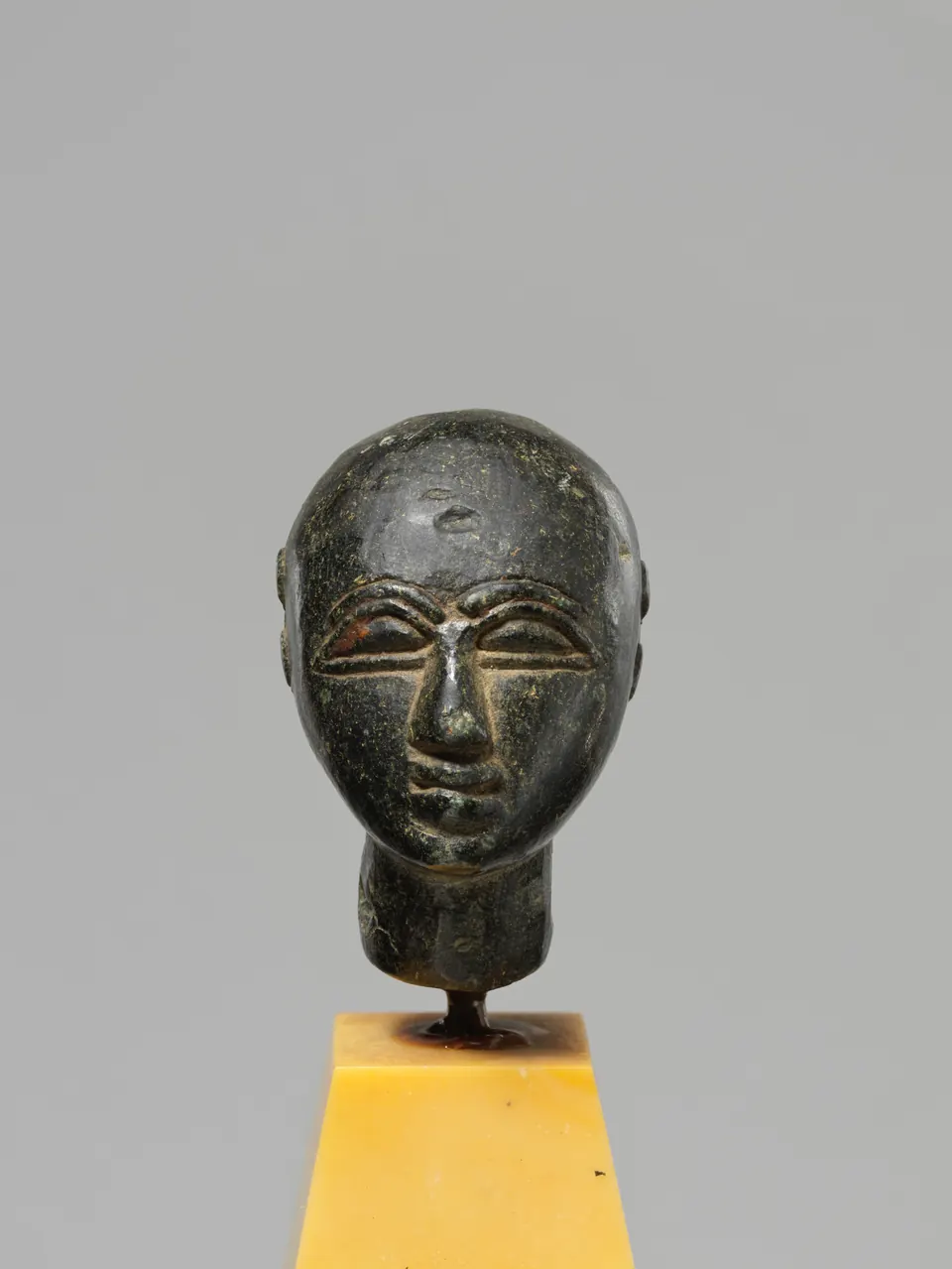
Photo: The Metropolitan Museum of Art · CC0 (The Met Open Access) · source

Photo: The Metropolitan Museum of Art · CC0 (The Met Open Access) · source

KU-V.22

Kerma ware bowl

ca. 1580–1458 BCEPotteryFound: Asasif, Upper Egypt, Thebes, Egypt (MMA excavations, 1915–16, Courtyard CC 41, Radim C x Near Tomb R 2)The Metropolitan Museum of Art, New YorkInv. Met 16.10.227

Kerma ware bowl: pottery, dated ca. 1580–1458 BCE in the museum’s record.

What it shows

The Met catalogues it as Second Intermediate Period–Early New Kingdom, Dynasty 17–18; place in the record: Asasif, Upper Egypt, Thebes, Egypt (MMA excavations, 1915–16, Courtyard CC 41, Radim C x Near Tomb R 2). Size: Diam. 13.3 × H. 6 cm (5 1/4 × 2 3/8 in.). Rogers Fund, 1916.

Why it matters

Black-topped Kerma ware is the signature pottery of the kingdom of Kerma, Kush’s first great state. Found in Egypt by the Met’s own excavation.

Connects to the book

Sources & dating

Dates are approximate and follow the sources below. Evidence status: CONFIRMED
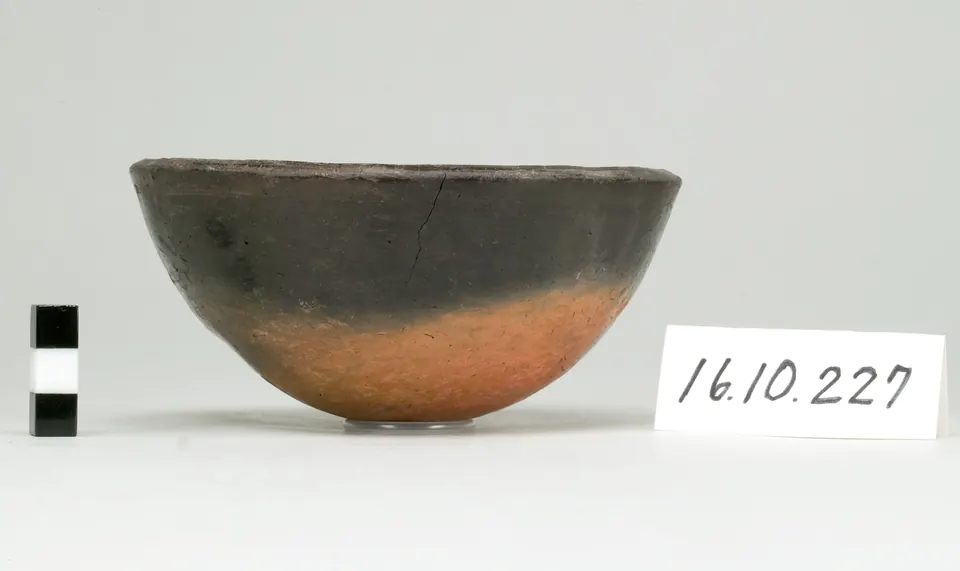
Photo: The Metropolitan Museum of Art · CC0 (The Met Open Access) · source

Photo: The Metropolitan Museum of Art · CC0 (The Met Open Access) · source

KU-V.23

Kerma ware bowl

ca. 1580–1458 BCEPotteryFound: Asasif, Upper Egypt, Thebes, Egypt (MMA excavations, 1915–16, Courtyard CC 41, Radim C x Near Tomb R 2)The Metropolitan Museum of Art, New YorkInv. Met 16.10.230

Kerma ware bowl: pottery, dated ca. 1580–1458 BCE in the museum’s record.

What it shows

The Met catalogues it as Second Intermediate Period–Early New Kingdom, Dynasty 17–18; place in the record: Asasif, Upper Egypt, Thebes, Egypt (MMA excavations, 1915–16, Courtyard CC 41, Radim C x Near Tomb R 2). Size: Diam. 13 cm × H. 8 cm (5 1/8 × 3 1/8 in.). Rogers Fund, 1916.

Why it matters

A second Kerma ware bowl from the same Met excavation, showing how Kerma pottery reached Egypt.

Connects to the book

Sources & dating

Dates are approximate and follow the sources below. Evidence status: CONFIRMED
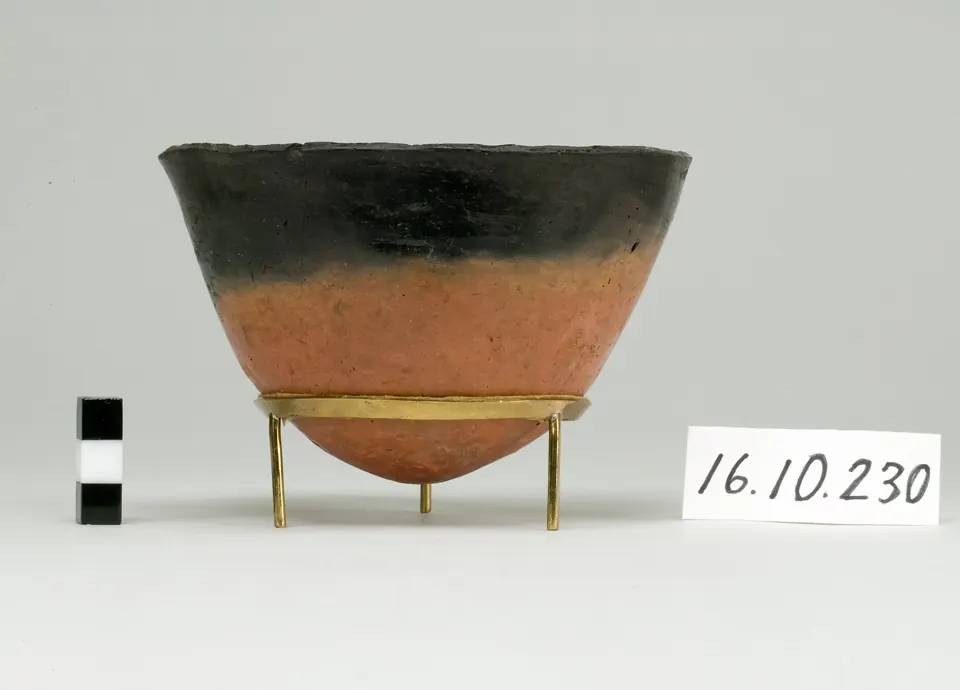
Photo: The Metropolitan Museum of Art · CC0 (The Met Open Access) · source

Photo: The Metropolitan Museum of Art · CC0 (The Met Open Access) · source

Hall VI · Timeline of discovery

The Rediscovery of Kush

From explorers’ sketches and a treasure hunter’s destruction to scientific excavation and the statues of Dukki Gel: how Kush returned to history.

  1. 1821–22

    Frédéric Cailliaud travels up the Nile and publishes the first detailed drawings of Meroë, Naqa and Musawwarat.

  2. 1834

    Giuseppe Ferlini wrecks the pyramid of Amanishakheto at Meroë and finds her gold treasure.

  3. 1842–45

    Karl Richard Lepsius’s Prussian expedition records Kushite monuments; its Denkmäler plates preserve details since lost.

  4. 1862

    Piye’s Victory Stela is found at Jebel Barkal; Auguste Mariette publishes it in 1872.

  5. 1909–11

    Francis Llewellyn Griffith works out the sound values of the Meroitic scripts.

  6. 1910

    John Garstang excavates the bronze head of Augustus at Meroë.

  7. 1913–16

    George Reisner excavates Kerma for Harvard and Boston.

  8. 1916–20

    Reisner excavates Nuri and Jebel Barkal; el-Kurru follows in 1918–19.

  9. 1930s

    The Oxford expedition excavates Kawa and finds the Sphinx of Taharqo.

  10. 1960–80

    The UNESCO Nubia campaign rescues monuments before Lake Nasser floods Lower Nubia.

  11. 1977 onward

    Charles Bonnet’s Swiss mission excavates Kerma and shows it was an independent African kingdom.

  12. 2003

    Bonnet’s team finds the seven statues of Kushite kings at Dukki Gel; Gebel Barkal becomes a UNESCO World Heritage Site.

  13. 2008

    The Kerma Museum opens beside the Western Deffufa.

  14. 2011

    The Island of Meroë (Meroë, Naqa, Musawwarat) is inscribed as a UNESCO World Heritage Site.

Take it home

The book these galleries support, free to read online or download.

Keep exploring

Learn to read hieroglyphs with the guided tours, or step into the 3D halls.

Image & 3D credits

All photographs are self-hosted copies of openly licensed or public-domain files from Wikimedia Commons, resized to WebP. Follow each “source” link for the original file and full licence. Full list: credits.json.

Atrium photograph — Photo: Ahmed Amir · CC BY-SA 4.0 · source

  1. 7 Statuen nubischer kuschitischer Könige Kerma Musuem.jpg — Matthias Gehricke, CC BY-SA 4.0 · source
  2. Aethiopen. Begerauîeh (Begrawiya). Pyramidengruppe A. Pyr. 15. Gold- und Silber- Schmuck aufgefunden von Ferlini 1830. ( jetzt im K. Museum zu Berlin.) (NYPL b14291191-44190).jpg — Scan by NYPL, Public domain · source
  3. Aethiopen. Naga (Naqa). Tempel a. Vorderseite des Pylons (NYPL b14291191-44204).jpg — Scan by NYPL, Public domain · source
  4. Al-Kurru,main_pyramid.jpg — Bertramz, CC BY 3.0 · source
  5. Amanishakheto Jewellery 03b.JPG — Unknown author, CC BY-SA 3.0 · source
  6. Amun temple, Jebel Barkal (1) (33602389653).jpg — Hans Birger Nilsen, CC BY-SA 2.0 · source
  7. Apedemak temple in Musawwarat es-sufra 2018.jpg — Vaido Otsar, CC BY-SA 4.0 · source
  8. Battle scene between Kushites and Assyrians, Temple of Amon, Jebel Barkal.jpg — Karl Richard Lepsius (Latin: Carolus Richardius Lepsius) (23 December 1810 – 10 , Public domain · source
  9. British Museum - Relief from the pyramid chapel of Queen Shanakdakhete.JPG — Unknown author, CC BY 3.0 · source
  10. British Museum - Room 3- The Meroë Head of Augustus (16344569880).jpg — Paul Hudson from United Kingdom, CC BY 2.0 · source
  11. Bronze head from an over-life-sized statue of Augustus.jpg — Carole Raddato, CC BY-SA 2.0 · source
  12. Classic Kerma Beaker MET DP354726.jpg — Unknown author, CC0 · source
  13. Egyptian - Situla Bearing the names of Kashta and Amenirdis - Walters 543077.jpg — Anonymous (Egypt), Public domain · source
  14. Egyptian - Votive Plaque of King Tanyidamani - Walters 22258.jpg — Anonymous (Egypt), Public domain · source
  15. Granite ram of Amun with King Taharqa - British Museum.jpg — M0tty, CC BY-SA 3.0 · source
  16. Head of a Kushite King MET DP-20839-001.jpg — Unknown author, CC0 · source
  17. Head of the king Shabatka - 25th Dynasty - Nubian Museum.jpg — Marsupium, CC BY 4.0 · source
  18. Jar with procession of crocodiles, Nubia, Ballana, Cemetery B, tomb 194, Meroitic Phase IIIB, 200-250 AD, ceramic, paint - Oriental Institute Museum, University of Chicago - DSC08063.JPG — Daderot, CC0 · source
  19. Jar with seated frogs, Nubia, Ballana, Cemetery B, tomb 208, Meroitic Phase IV, 240-300 AD, ceramic, paint - Oriental Institute Museum, University of Chicago - DSC08065.JPG — Daderot, CC0 · source
  20. Jebel Barkal + Amun Temple.jpg — Maurice Chédel, Public domain · source
  21. Kerma NNE.jpg — Bertramz, CC BY 3.0 · source
  22. Kushite priest wearing garment with leopard's head and tassels, subsequently adapted for a king MET DP236108.jpg — Unknown author, CC0 · source
  23. MFA Colossal statue of King Aspelta 01.jpg — Picture taken by Marcus Cyron, CC BY 3.0 · source
  24. Menat of Taharqo- the King Being Nursed by the Lion-Headed Goddess Bastet MET EG123.jpg — Unknown author, CC0 · source
  25. Meroitic.png — Unknown author, Public domain · source
  26. Meroitische Inschrift, Meroe 1. Jh. n. Chr., Aegyptisches Museum, Muenchen-1.jpg — Rufus46, CC BY-SA 3.0 · source
  27. Naqa_Apedamak_temple.jpg — User:LassiHU, CC BY-SA 4.0 · source
  28. Nuri Pyramids Nu XI, X, IX, XV, XVII, VIII, VII, XIX, VI, IV, V, III, & I Kushite (Napatan).jpg — Bruce Allardice, CC BY-SA 2.0 · source
  29. Piye_Stele_(Louvre_Museum_reconstruction).jpg — Tangopaso, Public domain · source
  30. Pyramids at Meroe - Sudan.jpg — Dbxsoul, CC BY 3.0 · source
  31. Pyramids of Meroe in Bajrawiya, Sudan 09.jpg — Ahmed Amir, CC BY-SA 4.0 · source
  32. Ram sphinx with King Taharqo, British Museum 02.jpg — 14GTR, CC0 · source
  33. ReisnerKerma.jpg — Tumbler12, CC0 · source
  34. Relief from the interior of the funerary chapel of Shanakdakhete, a Meroitic queen. 2nd century BCE. From Pyramid N.11 at Meroe, Sudan. British Museum.jpg — Osama Shukir Muhammed Amin FRCP(Glasg), CC BY-SA 4.0 · source
  35. Scarab Inscribed With the Cartouches of Kashta and Amenirdis MET EG124.jpg — Unknown author, CC0 · source
  36. Senkamanisken statue, Kerma Museum.jpg — Matthias Gehricke, CC BY-SA 4.0 · source
  37. Shabti of Taharqo MET 267759.jpg — Unknown author, CC0 · source
  38. Sphinx_of_Taharqo.jpg — Prioryman, CC BY-SA 4.0 · source
  39. Stela Shebitqo Met.jpg — Metropolitan Museum of Art, New York, CC0 · source
  40. Stele_Piye_Mariette.jpg — Auguste Mariette (1821-1881), Public domain · source
  41. Taharqa,_Louvre_Museum.jpg — Tangopaso, Public domain · source
  42. Taharqo's pyramid, Nuri, Sudan, North-east Africa.jpg — Sue Fleckney, CC BY-SA 2.0 · source
  43. Taharqo, Black Pharaohs Cache (Dukki Gel ) , Kerma Museum,Sudan (2).jpg — tobeytravels, CC BY-SA 2.0 · source
  44. Tanotamun statue in Kerma Museum.jpg — Matthias Gehricke, CC BY-SA 4.0 · source
  45. Treasure from the pyramid of Queen Amanishakheto - Ägyptisches Museum - Munich - Germany 2017.jpg — José Luiz, CC BY-SA 4.0 · source
  46. Western Deffufa - Kerma.jpg — walter callens, CC BY 2.0 · source
  47. Menat of Taharqo (Met 41.160.104), image DP-35000-001 — The Metropolitan Museum of Art, CC0 (The Met Open Access) · source
  48. Votive plaque of King Tanyidamani (Walters 22.258), side A — Walters Art Museum, CC0 (Walters Art Museum) · source
  49. Votive plaque of King Tanyidamani (Walters 22.258), side B — Walters Art Museum, CC0 (Walters Art Museum) · source
  50. met-329866.jpg — The Metropolitan Museum of Art, CC0 (The Met Open Access) · source
  51. met-329946.jpg — The Metropolitan Museum of Art, CC0 (The Met Open Access) · source
  52. met-544879.jpg — The Metropolitan Museum of Art, CC0 (The Met Open Access) · source
  53. met-544880.jpg — The Metropolitan Museum of Art, CC0 (The Met Open Access) · source
  54. met-545027.jpg — The Metropolitan Museum of Art, CC0 (The Met Open Access) · source
  55. met-545966.jpg — The Metropolitan Museum of Art, CC0 (The Met Open Access) · source
  56. met-546967.jpg — The Metropolitan Museum of Art, CC0 (The Met Open Access) · source
  57. met-546969.jpg — The Metropolitan Museum of Art, CC0 (The Met Open Access) · source
  58. met-547771.jpg — The Metropolitan Museum of Art, CC0 (The Met Open Access) · source
  59. met-548213.jpg — The Metropolitan Museum of Art, CC0 (The Met Open Access) · source
  60. met-548351.jpg — The Metropolitan Museum of Art, CC0 (The Met Open Access) · source
  61. met-552296.jpg — The Metropolitan Museum of Art, CC0 (The Met Open Access) · source
  62. met-552298.jpg — The Metropolitan Museum of Art, CC0 (The Met Open Access) · source
  63. met-552301.jpg — The Metropolitan Museum of Art, CC0 (The Met Open Access) · source
  64. met-553191.jpg — The Metropolitan Museum of Art, CC0 (The Met Open Access) · source
  65. met-553194.jpg — The Metropolitan Museum of Art, CC0 (The Met Open Access) · source
  66. met-553195.jpg — The Metropolitan Museum of Art, CC0 (The Met Open Access) · source
  67. met-553249.jpg — The Metropolitan Museum of Art, CC0 (The Met Open Access) · source
  68. met-553622.jpg — The Metropolitan Museum of Art, CC0 (The Met Open Access) · source
  69. met-573599.jpg — The Metropolitan Museum of Art, CC0 (The Met Open Access) · source

3D models

  1. “Sandstone Stela” — textured photogrammetry (42 photos, 2018); via Zenodo 10384060; decimated to 149k triangles; 4096 px WebP texture from the 4K Sketchfab download for the inscription (same scan as Zenodo 10384060); unlit material as published — 3D scan of the real object: “Sandstone Stela” by artfletch (Sketchfab) · CC BY 4.0 · Sketchfab page
  2. “A statue of Shepenwepet II or Amenirdis II” — textured photogrammetry (162 phone photos); via Zenodo 10330636; decimated to 110k triangles; two 2048 px WebP textures from the 4K Sketchfab download (same scan as Zenodo 10330636) — 3D scan of the real object: “A statue of Shepenwepet II or Amenirdis II” by Daniel Pett (danielpett) (Sketchfab) · CC BY 4.0 · Sketchfab page
  3. “Amun Ram Ashmolean” — textured photogrammetry (153 photos); via Zenodo 10234920; chosen over Nate Loper’s CC BY scan because Loper’s mesh includes a gallery floor sign; decimated to 120k triangles; 2048 px WebP texture from the 4K Sketchfab download (same scan as Zenodo 10234920) — 3D scan of the real object: “Amun Ram Ashmolean” by Daniel Pett (danielpett) (Sketchfab) · CC0 · Sketchfab page
  4. “Ram of Amun, Kawa” — textured photogrammetry (199 phone photos); Sketchfab download, also on Zenodo 10319489; decimated to 119k triangles, 2048 px WebP textures — 3D scan of the real object: “Ram of Amun, Kawa” by Daniel Pett (danielpett) (Sketchfab) · CC BY 4.0 · Sketchfab page
  5. “The Shabako Stone” — textured photogrammetry; Sketchfab download, decimated to 120k triangles, 4096 px WebP texture — 3D scan of the real object: “The Shabako Stone” by Daniel Pett (danielpett) (Sketchfab) · CC BY 4.0 · Sketchfab page
  6. “Meroë relief from Queen Shanakdakhete’s chapel” — textured photogrammetry (179 photos); Sketchfab download chosen over artfletch’s Zenodo 10384474 scan for its 4K texture; decimated to 165k triangles, 4096 px WebP texture — 3D scan of the real object: “Meroë relief from Queen Shanakdakhete’s chapel” by Daniel Pett (danielpett) (Sketchfab) · CC BY 4.0 · Sketchfab page
  7. “sphinx de Taharqa, pharaon du VIIe s. AEC” — textured photogrammetry made at the Louvre 2022 loan; via Zenodo 10229265; decimated to 119k triangles; 2048 px WebP texture from the 4K Sketchfab download (same scan as Zenodo 10229265) — 3D scan of the real object: “sphinx de Taharqa, pharaon du VIIe s. AEC” by Christian Lavigne (lavigne) (Sketchfab) · CC BY 4.0 · Sketchfab page